
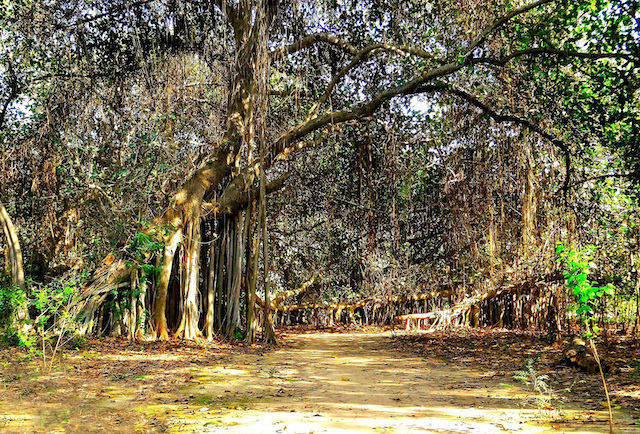
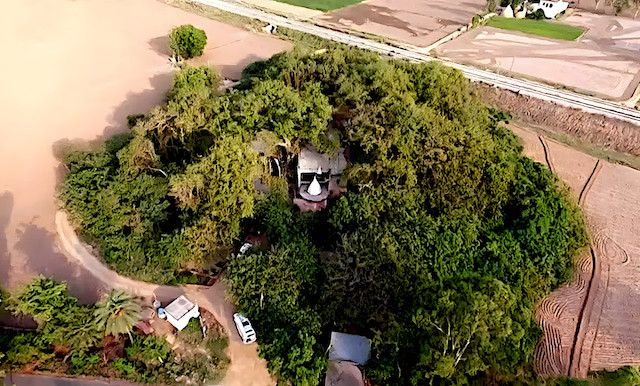
In the tranquil village of Cholti Kheri, nestled within Punjab’s Fatehgarh Sahib district, stands a natural wonder that has silently observed centuries of history unfold beneath its vast canopy. The Kaya Kalp Vriksh, affectionately known as the Great Banyan Tree, is far more than a tree—it is a living testament to nature’s resilience and the cultural reverence it inspires. Spanning an impressive 3.5 acres and estimated to be over 300 years old, this majestic banyan was declared Punjab’s first Biodiversity Heritage Site in 2021, a fitting recognition of its ecological and cultural significance.
A Monument of Nature
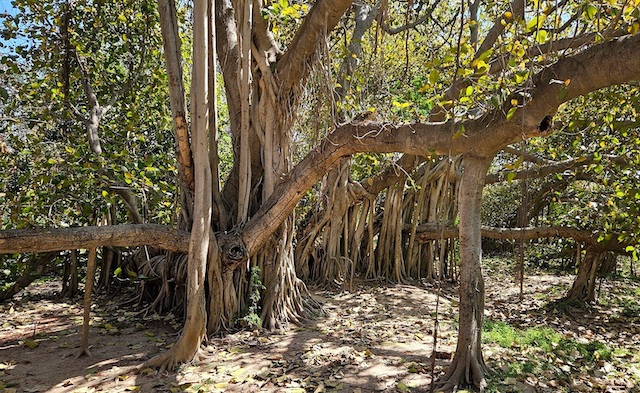
The Great Banyan Tree is a breathtaking display of nature’s grandeur. Its intricate network of aerial roots cascades from sprawling branches, anchoring into the earth to form a labyrinthine grove that feels almost otherworldly. Covering an area equivalent to nearly three football fields, its canopy provides shade and shelter to a thriving ecosystem. From vibrant bird species to elusive reptiles, industrious insects, and countless microorganisms, the Kaya Kalp Vriksh is a sanctuary of biodiversity, a vibrant microcosm of life in harmonious balance.
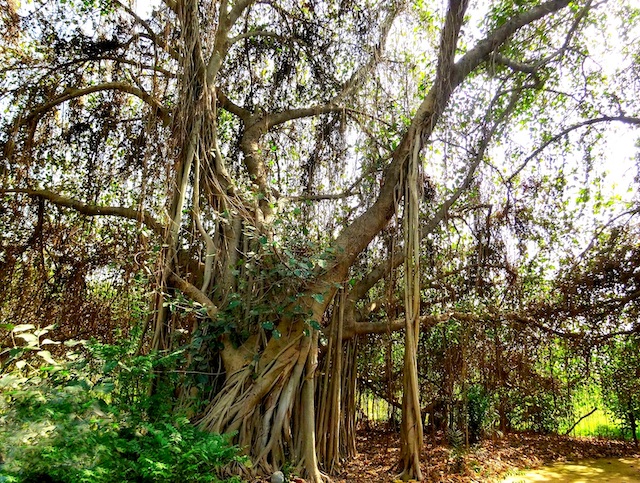
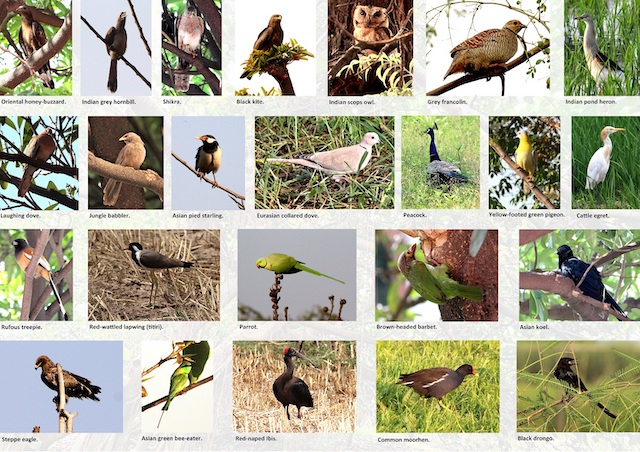
The tree’s dense foliage and sprawling branches create an ideal habitat for various bird species, attracting birdwatchers and photographers from near and far. Notable species include the Oriental honey-buzzard, Indian grey hornbill, Shikra, Black kite, Indian scops owl, Grey francolin, Indian pond heron, Laughing dove, Jungle babbler, Asian pied starling, Eurasian collared dove, Peacock, Yellow-footed green pigeon, Cattle egret, Rufous treepie, Red-wattled lapwing, Rose-ringed parakeet, Brown-headed barbet, Asian koel, Steppe eagle, Asian green bee-eater, Red-naped ibis, Common moorhen, and Black drongo. Each species adds vibrant colour and life to this ecological treasure, making it a sought-after destination for those eager to capture nature’s beauty.
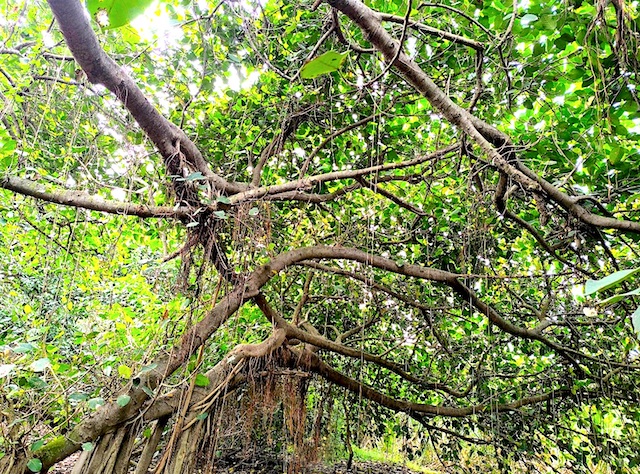
Estimated to be three centuries old, the tree’s origins trace back to an era when the Mughal Empire still ruled the Indian subcontinent, and the footsteps of traders, warriors, and saints shaped Punjab’s lands. Over these centuries, the banyan has grown in size and stature, becoming a powerful symbol of endurance and continuity for the people of Cholti Kheri and beyond.
Location and Journey to the Tree
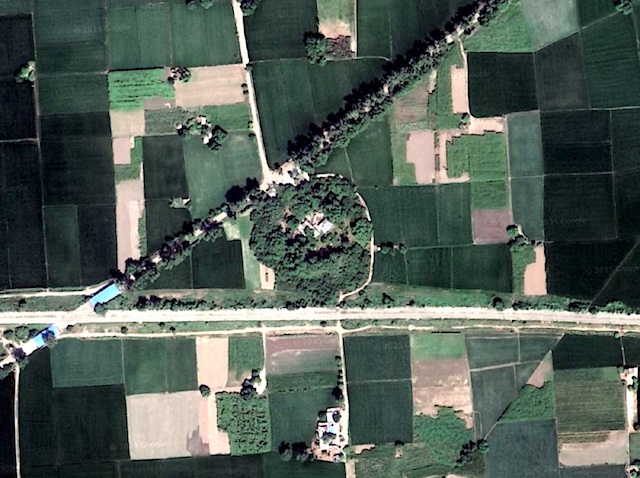
The Kaya Kalp Vriksh stands on private land in Cholti Kheri, a serene hamlet in Fatehgarh Sahib district. The journey to this natural marvel is both accessible and rewarding. Travellers can turn left from the historic Sher Shah Suri Marg at Sarai Banjara village and follow an 8-kilometre link road that winds through Punjab’s picturesque rural landscape. Alternatively, the tree is reachable from Chunni Kalan on the Chandigarh-Sirhind Road via a 13-kilometre route through the villages of Rasulpur, Jhampur, Bhagrana, Sindra, and Salempur. Upon arrival, the sheer scale of the tree is awe-inspiring, its sprawling branches forming a natural cathedral that evokes reverence and wonder.

Cultural Significance and Local Legends
Beyond its ecological importance, the Great Banyan Tree holds profound cultural significance for the local community. In Punjab, banyan trees are often revered as sacred, believed to be abodes of spirits or deities. The Kaya Kalp Vriksh is no exception, with local folklore weaving tales of its mystical powers. Stories of misfortune befall those who dared to harm the tree by cutting its branches or disturbing its roots. These beliefs, passed down through generations, have played a vital role in protecting the tree, fostering deep respect for its presence.
The name “Kaya Kalp Vriksh,” meaning “the tree of transformation” or “rejuvenation,” reflects its symbolic role in the community. It is seen as a source of life, renewal, and continuity, embodying the cyclical nature of existence. Villagers gather beneath its canopy for communal events, religious ceremonies, or to share stories, making the tree a vibrant cultural and social hub.
A Global Icon
The Great Banyan Tree’s fame extends far beyond Punjab’s borders. Its extraordinary size and ecological richness captured the attention of a Paris-based production house, which featured it in the acclaimed TV series Tree Stories: Most Remarkable Trees of the World. The documentary highlighted the banyan’s unique characteristics, from its sprawling root system to its role as a biodiversity hotspot, earning it global recognition as one of the world’s most remarkable natural wonders. The film celebrated the tree’s physical magnificence and its deep cultural and ecological significance.
A Call to Preserve
As Punjab’s first Biodiversity Heritage Site, the Kaya Kalp Vriksh is a poignant reminder of the delicate balance between human activity and nature’s legacy. Its designation in 2021 underscores the urgent need to protect such ecological treasures in a rapidly urbanising world. The tree’s survival for three centuries is a testament to the community’s stewardship and calls for continued vigilance. Preservation efforts focus on safeguarding its physical structure, nurturing the biodiversity it supports, and honouring the cultural beliefs that have protected it for generations.
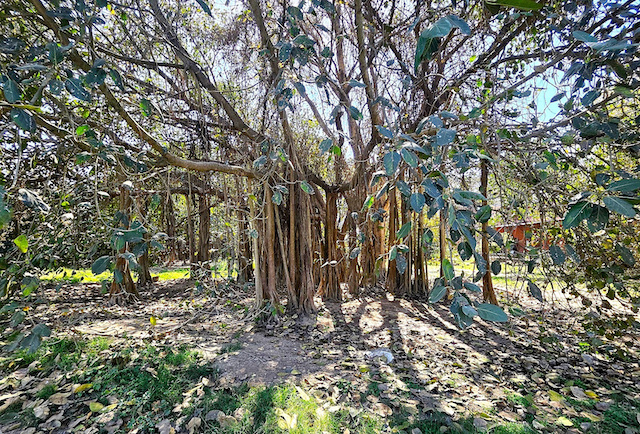
Visitors to the Great Banyan Tree often describe a sense of timelessness, as if standing in the presence of an ancient guardian. Its branches, stretching like the arms of a wise protector, seem to whisper stories of the past while offering hope for the future. For those who pilgrimage to Cholti Kheri, the Kaya Kalp Vriksh is more than a tree—it is a living legacy, a bridge between humanity and nature, and a powerful symbol of life’s enduring beauty.

Sarbjit Bahga (b1957) is a Chandigarh-based architect, author, photo artist, and archivist. He is the Principal Architect of Bahga Design Studio LLP. Earlier, Bahga worked in the Department of Architecture, Punjab, Punjab Health Systems Corporation, and Punjab Mandi Board in various positions.
He has more than 42 years of practical experience designing various types of buildings, complexes, and large campuses. His completed works include an eclectic range of administrative, recreational, educational, medical, residential, commercial, and agricultural buildings. A monograph on his selected works titled “MODERN REGIONALISM: The Architecture of Sarbjit Bahga” has been published.
Bahga is also a keen researcher and a prolific architectural writer. He has 12 books to his credit, which include Modern Architecture in India, New Indian Homes, Le Corbusier, and Pierre Jeanneret: The Indian Architecture, Trees in Urban Habitat, Landscaping Human Habitat, New Indian Architecture -1947-2020, and Hand-Drawn Perspectives and Sketches. Bahga’s contribution to architecture has been largely recognized. He is a three-time recipient of the World Architecture Community Awards. His name has been featured in the Guinness Book of World Records for designing the “longest covered concrete corridor” in Vidya Sagar Institute of Mental Health, Amritsar.