
For years, ordinary people have lived under the weight of GST, a tax many jokingly called the “Great Suffering Tax.” Yes, it came down hard, emptying our wallets and dampening our spirits and even our hopes of dreaming big. From medicines to school notebooks and even basic food items, nothing was spared. People struggled on with this burden with a great deal of groan and moan.
Now, a fresh GST announcement has finally brought unprecedented cheer to the faces of the public. What has come as a big relief is zero GST on health care and insurance. Earlier, the state was charging a whopping 18% on services linked to survival and healing. The government seemed merciless, almost like taxing life itself. With this new policy, citizens can breathe a little easier.
Another happy change is the removal of the 12% GST on school stationery. Essential items like exercise books, pencils and pens, the basic tools of learning, were once treated like luxuries. The weaker sections of society, already struggling with high prices, had to pay extra just to educate their children. Hopefully, it will bring great relief to them.
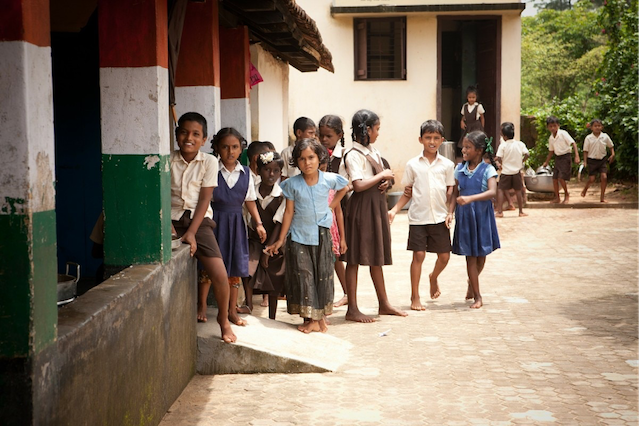
But what about the paper used for printing textbooks? I have not noticed it mentioned anywhere. If the government still decides to impose GST on it, there is hardly anything to cheer about. The cost of books will rise, and the burden will fall hardest on the poor. Do our leaders not know that a large section of children in the country go to school barefoot, often without even basic books or a schoolbag in hand? It is because their families simply cannot afford them. So, GST on paper used for printing school textbooks is nothing less than an act of heartlessness. Classrooms can only feel truly welcoming when textbooks are affordable for every child, especially the poor. Needless to say, no developing nation can truly thrive if health is treated as a privilege or if knowledge is weighed down by taxes.
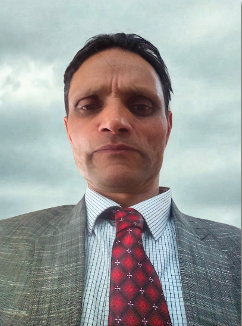
A Shillong-based writer and researcher, Salil Gewali is best known for his research-based work entitled ‘Great Minds on India’, that has earned worldwide appreciation. Translated into fifteen languages, his book has been edited by a former NASA scientist – Dr. AV Murali of Houston, USA. Gewali is also a member of the International Human Rights Commission, Zürich, Switzerland.