
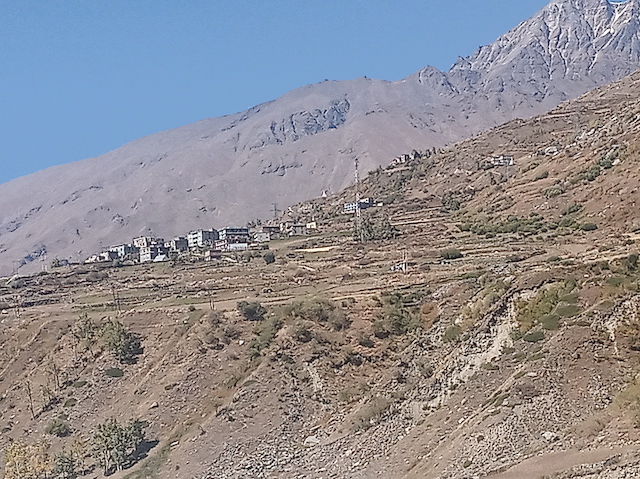
The high-altitude Lahaul Valley in Himachal Pradesh is undergoing a profound socio-economic transformation. Once defined by seasonal isolation, the region’s tribal communities are rapidly integrating into a globalized world, driven by monumental infrastructural breakthroughs, widespread educational access, and a booming tourism industry.
From Winter Isolation to Year-Round Connection
Historically, the formidable winters of the Lahaul Valley meant complete isolation from the rest of civilization for six months every year due to heavy snowfall. That geographic imprisonment changed permanently with the opening of the Atal Tunnel, which effectively eliminated the winter blockades.
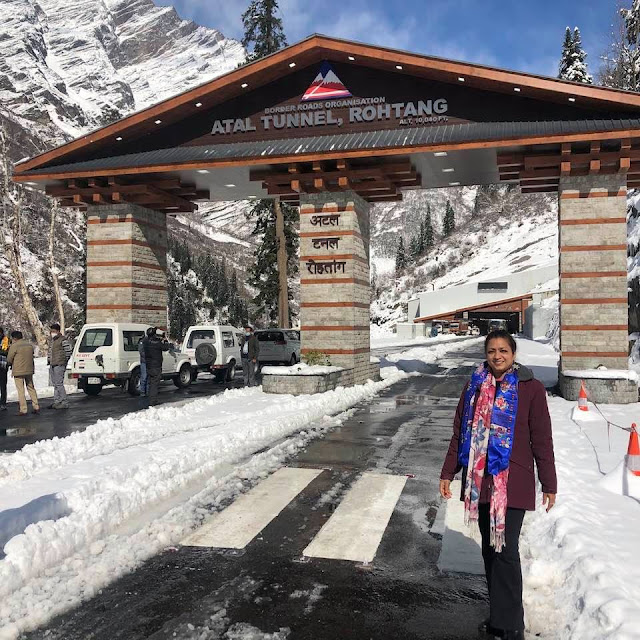
Today, local communities enjoy seamless, year-round physical and digital connectivity to the mainstream. Under state-backed initiatives like the Vibrant Village Programme, remote habitations have seen significant upgrades, including modernized housing, reliable water connections, and robust basic infrastructure.

Shifting Economic Landscapes
The economic backbone of the valley has transitioned dramatically from basic sustenance to high-yield commercial enterprises. Traditional subsistence farming and animal husbandry have largely given way to mechanized, highly profitable cash-crop cultivation. Lahaul’s fields now thrive with seed potatoes, peas, and exotic vegetables destined for broader markets.
Simultaneously, an influx of global travelers has turned hospitality into a premier economic driver, with homestays, hotels, and adventure tourism emerging as dominant sources of local income. Equipped with modern education, the younger generation is increasingly stepping away from ancestral trades to pursue careers in government administration, corporate sectors, and independent entrepreneurship.
A Changing Social Fabric
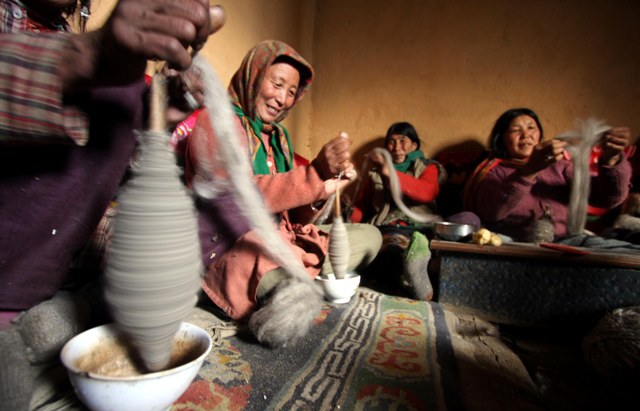
As modern exposure redefines daily life, long-standing tribal social systems are evolving rapidly. Historical social adaptations, such as polyandry—originally practiced to prevent the fragmentation of agricultural land—have nearly vanished in the modern era. Similarly, the traditional joint family structure is steadily being replaced by nuclear households as youth migrate to urban centers for employment.
Education and increased mobility are also dissolving ancient social hierarchies. Rigid ancestral caste boundaries between traditional landowners (such as the Swangla) and artisanal groups (including the Gara and Shipi) are softening. Enhanced travel and interconnectedness have further catalyzed a rising trend in cross-cultural weddings, bridging communities far beyond the local valleys.

Sanjay Dutta, an engineer by qualification but is a journalist by choice.
He has worked for the premier new agency Press Trust of India and leading English daily Indian Express.
With more than a decade of experience, he has been highlighting issues related to environment, tourism and other aspects affecting mountain ecology.
Sanjay Dutta lives in a village close to Manali in Kullu valley of Himachal.