
Nature around us is an absolutely amazing, hypnotising and timeless creation. Rolling hills, snowy pinnacles, meandering rivers, and vistas of vales under the vast sky are perceptible nuggets of nature’s opulence. Diversity of life and landforms makes it beautiful, likewise, contrast is essential spice of nature.
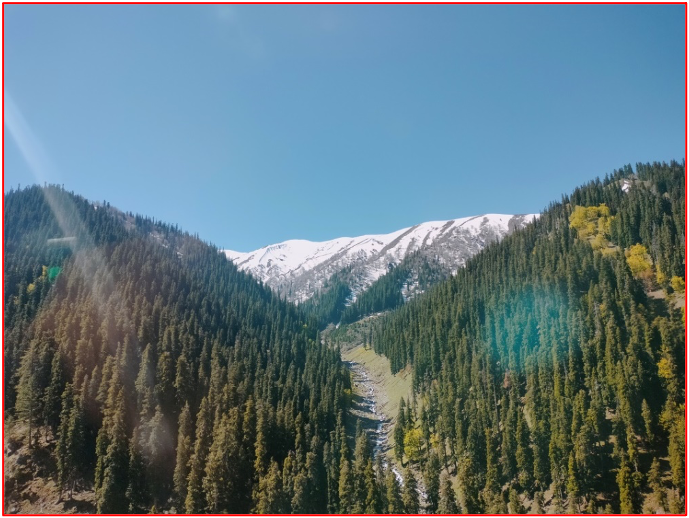

Ladakh is a high altitude cold desert region, nestled in far north of India between Greater Himalayas and Karamkoram Mountains. The landscape of Ladakh features, fragile topography, formidable passes, harsh climate, scanty of greenery and plenty of rugged barren features. Nonetheless, the high altitude region is markedly distinct for evocative expression of trans- Himalayan natural beauty epitomised by turquoise lakes, soaring peaks, spiritual tranquillity and unique biodiversity. These components make Ladakh a globally famous offbeat tourism destination. Leh, Khardung La, Nubra, and Pangong are on every typical bucket list, while there are other lesser-trodden places filled with contrasting colours. The Kargil region is located in western Ladakh and holds immense strategic significance. The name instantly recalls Operation Vijay, conducted by valorous Indian soldiers in late nineties. Besides being recognized as a high-altitude battlefield, the region boasts pristine setting, prominent peaks, beautiful hydrological systems, a rich culture, and verdant valleys.
Suru Valley …….. Terse Titbits
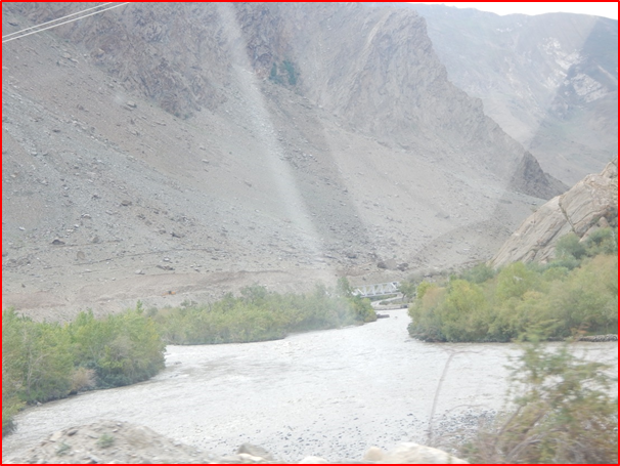
Stretched alongside the River Suru and sandwiched between rugged mountains, the valley is sprawling landscape spanning over a hundred kilometres, where narrow corridors give way to wide open meadows. The valley begins at Kargil town and extends southwards up to Penzil Pass. It is often overlooked due to its offbeat location, limited amenities, challenging terrain, and remote nature. Despite its isolation, the valley is replete with breathtaking mountain beauty, featuring scenic green villages framed by a stark cold-desert lunar landscape.
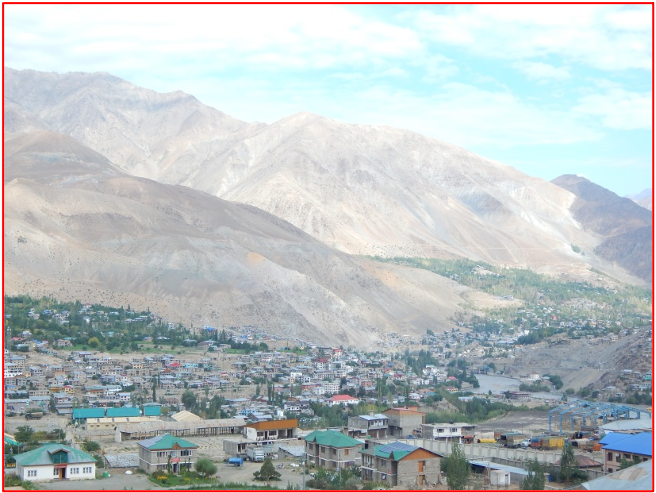
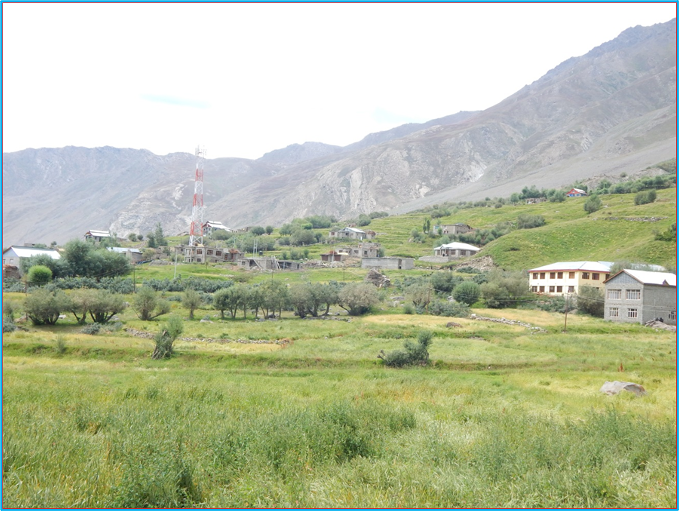
Sankoo Village ……… A Tranquil Trans-Himalayan Retreat
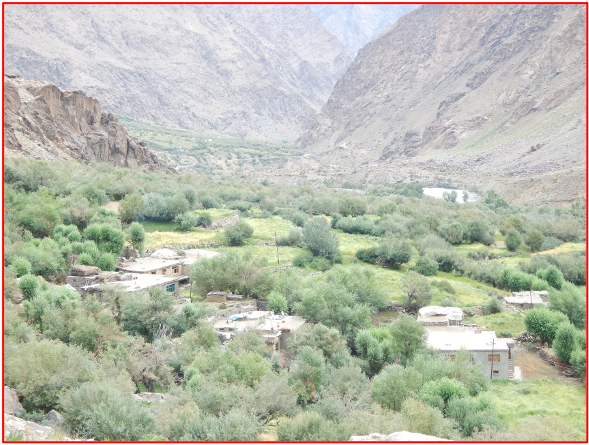
Fondly nicknamed the ‘Gulmarg of Ladakh’ Sankoo is exceptionally lush destination in the Suru Valley. It is located about 40 km from Kargil town and is well connected by a metalled road. The village is nurtured by the Suru River and is regarded as one of the most fertile regions in Ladakh. Exploring its peaceful surroundings, dense orchards, monasteries, biodiversity, local lifestyle, and traditional culture truly enriches your travel experience.
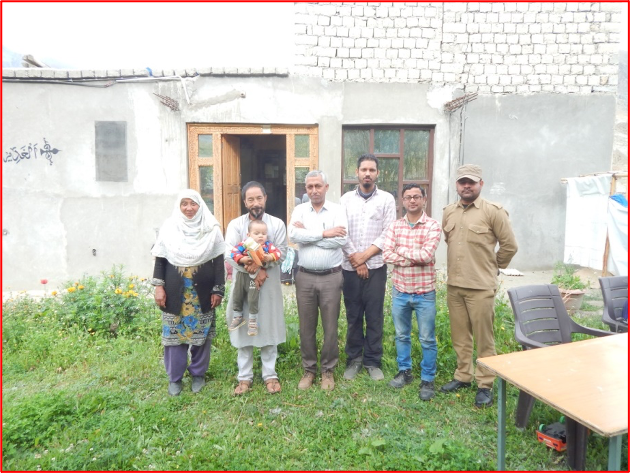
Similarly, other pretty hamlets in the valley—such as Purtikchey, Damsna, Parkachik, and Panikhar—overflow with plenty of green spaces, presenting a sharp contrast to the typical Ladakh landscape. The Suru River and Salix plantations serve as the main lifelines of this region and support the green grandeur of the Suru Valley.
Nun- Kun Twins…..The Majestic Mountains
Nun and Kun are a pair of closely located twin peaks standing sky high in the upper Suru Valley. Nun is higher than Kun, although both rise to elevations above 23,000 feet. Together they are known as the Nun-Kun Massif and form one of the major attractions of Suru Valley. These picturesque peaks are visible from the village of Panikhar, which serves as a base camp for mountaineering expeditions to conquer these soaring summits.
Sparkling Sapi Lake
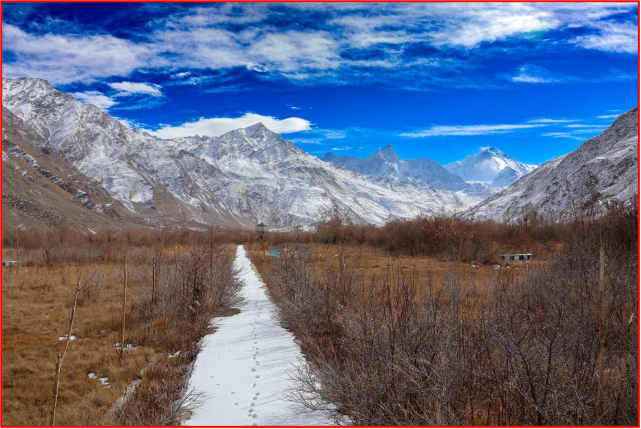
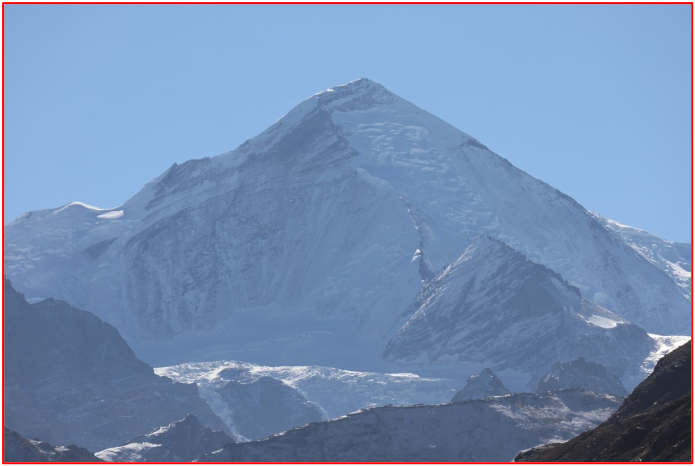
Besides its grand greenscape, Suru Valley is a wonderful trekking and hiking destination. Scenic trails across the Suru valley lead to attractive high altitude lakes. Sapi Tso is a spectacular glacial lake in the shadow of the Gangchenmo Peak and perched above fourteen thousand feet. This spot is a popular destination for trekkers and adventure enthusiasts. The trekking route to the lake traverses flower-strewn alpine meadows and ecologically rich trans-Himalayan landscapes, and remote settlements providing insights into traditional lifestyles, and cultural practices of ethnic communities………………..
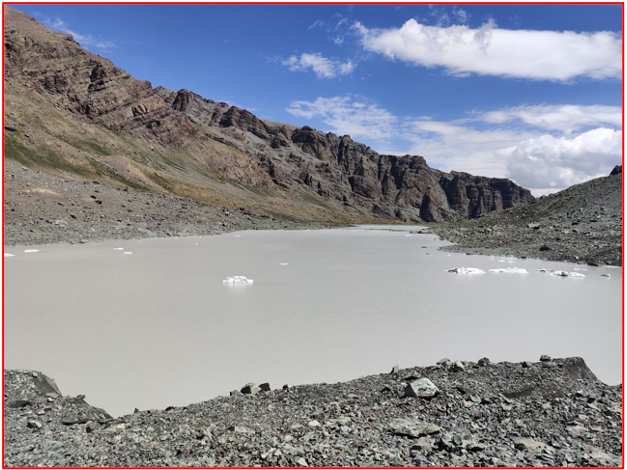
In toto, Suru valley is nothing short of a verdant heaven tucked away in the Trans- Himalayas. It defines the nature’s contrast in true spirit. A voyage to this dramatic place extended along the winding suru river feels alike time travel in an offbeat oasis.
With over 15 years of experience in Forest Ecology, Soil Analysis, and Herbarium methods, Dushyant Kumar, from Himalayan Forest Research Institute (HFRI), Shimla, has published research and technical papers related to Plant diversity, Forest Soil Properties and Medicinal plants.
Preferring to stay close to nature life cycles, he is a staunch supporter of sustainable management of nature’s resources of forests, land and rivers.
