
In the heart of Punjab’s serene countryside, where spirituality intertwines with nature, lies Gurdwara Garna Sahib—a sacred Sikh shrine that embodies the essence of Sikhism’s reverence for the natural world and divine grace. Nestled in the tranquil village of Bodal, just 39 kilometres from Hoshiarpur, this Gurdwara is a testament to faith, history, and community. Its connection to Guru Hargobind Sahib Ji, the sixth Sikh Guru, and the miraculous 400-year-old Garna tree draws devotees and travellers seeking solace and inspiration.
Reflecting the deep reverence for nature in Sikhism, many Gurdwaras are named after specific trees and plants, built at sites where Sikh Gurus rested or interacted with them. Examples include Gurdwara Ber Sahib, Sultanpur Lodhi; Gurdwara Pipli Sahib, Amritsar; Gurdwara Amb Sahib, Mohali; Gurdwara Flahi Sahib, Duley, Ludhiana; Gurdwara Nim Sahib, Akkar, Patiala; Gurdwara Tahli Sahib, Rattan, Ludhiana; Gurdwara Jand Sahib, Virewala Kalari, Faridkot; Gurdwara Reru Sahib, Nandpur, Ludhiana; and Gurdwara Imli Sahib, Indore, among others.
One revered shrine is Gurdwara Garna Sahib, a radiant symbol of Sikh spirituality and heritage. This sacred site, deeply tied to Guru Hargobind Sahib Ji, attracts countless visitors seeking peace, blessings, and a glimpse into the rich tapestry of Sikh history. With its serene rural setting and easy accessibility, the Gurdwara offers a perfect blend of spiritual solace and cultural significance.
A Journey Through History
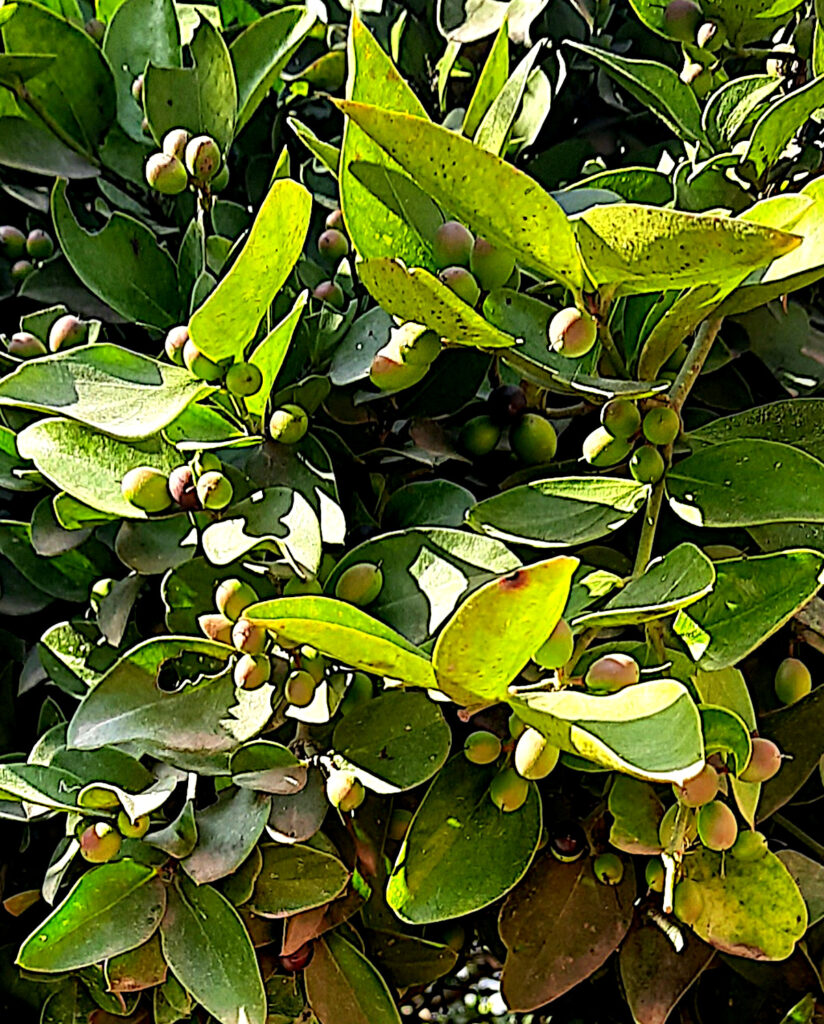
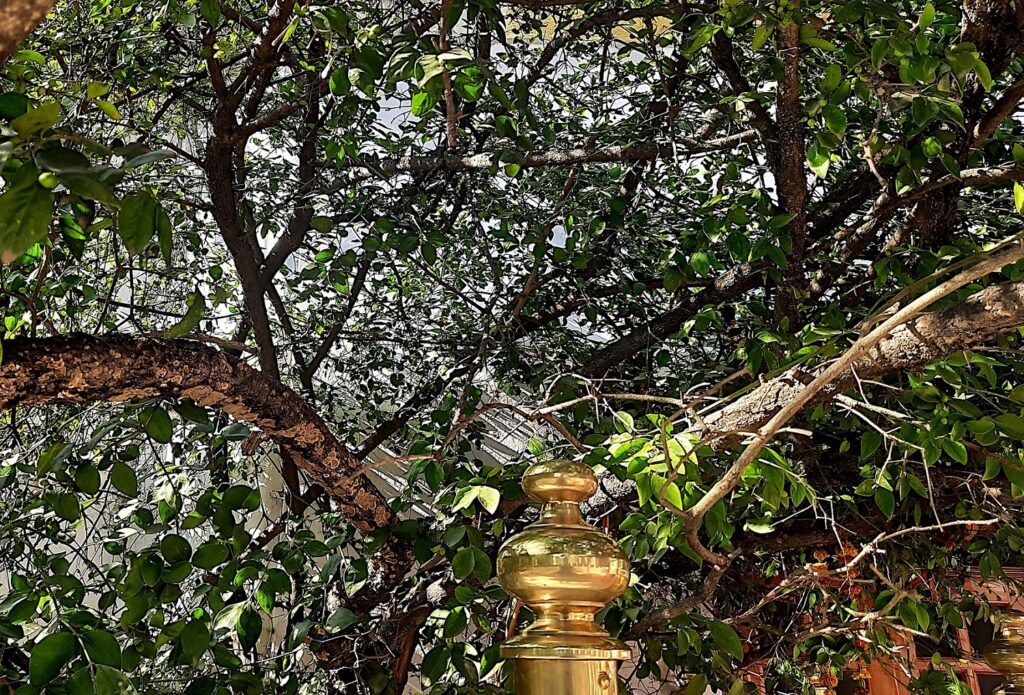
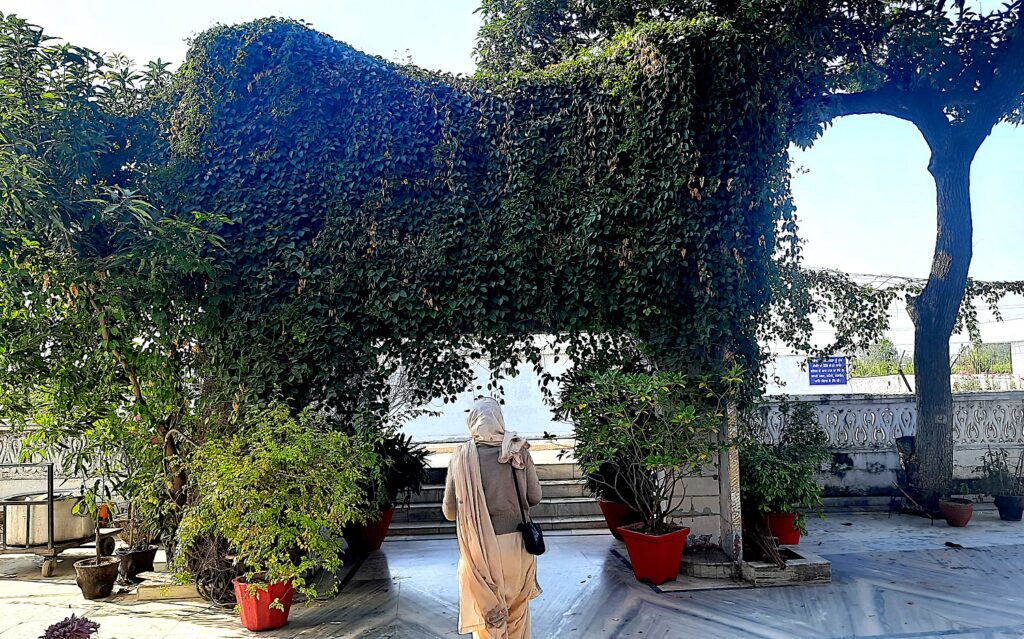
The history of Gurdwara Garna Sahib is as captivating as its spiritual aura. The sixth Guru of the Sikhs, Shri Guru Hargobind Ji (1595–1644), visited this area from Kartarpur, spreading the message of Sikhism. At that time, a dense forest of native Garna trees (Carissa carandas) covered the region. As Guruji passed through this jungle, a thorny, dried Garna bush caught in his clothing. He planted it in the soil with divine grace, blessing it with the words, “You have stopped us now, and in the future, you will halt people’s troubles in life.” On his next visit, a fully grown Garna tree stood at the spot, a testament to his blessing.
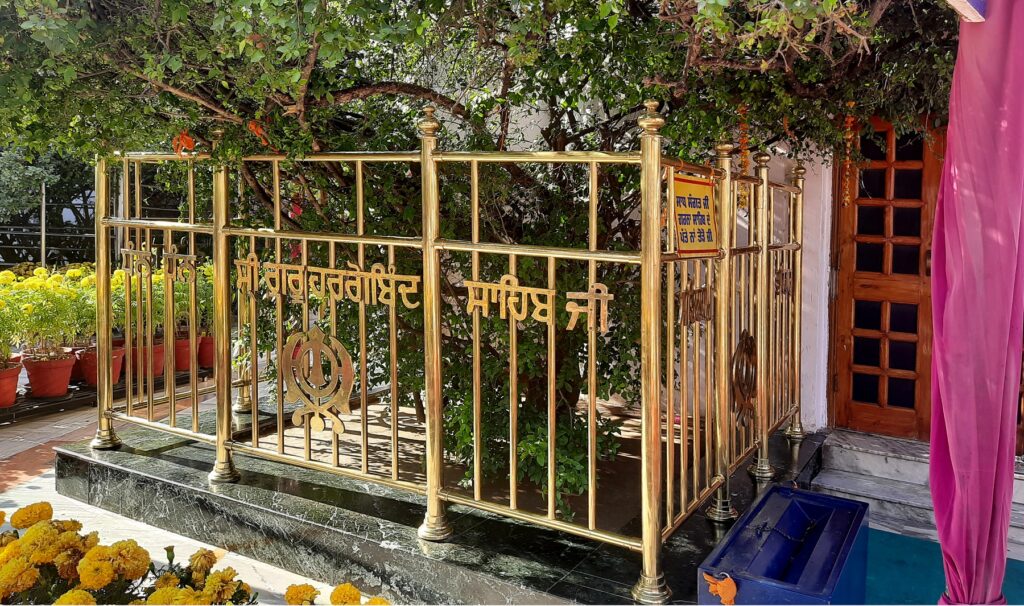
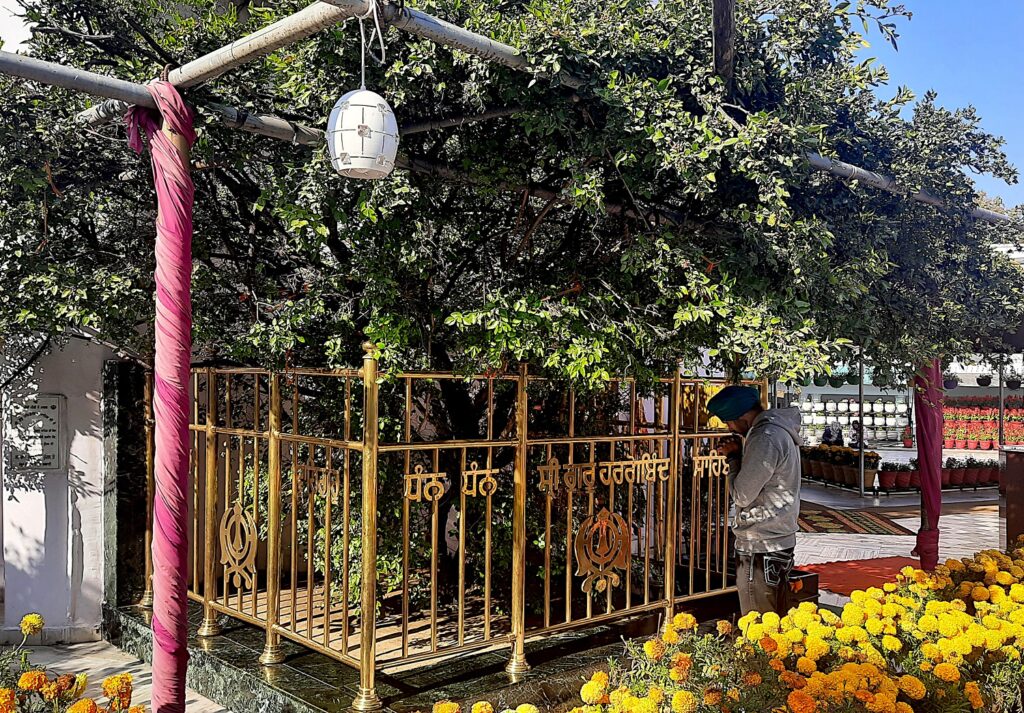
According to legend, the land was part of a forest owned by a Muslim landlord who later ordered it cleared. When workers attempted to cut down the sacred Garna tree, it was felled three times, only to stand tall again each morning. On the third attempt, a celestial voice proclaimed the tree’s immortality, declaring it would endure for centuries. Overwhelmed by this divine intervention, the landowner abandoned the area, leaving the sacred site untouched. Today, this 400-year-old Garna tree remains preserved and worshipped, believed to fulfil devotees’ wishes and strengthen their spiritual resolve.
The Gurdwara’s construction began under Sardar Jodh Singh, a leader of the Ramgarhia Misl, whose territory included Bodal. After his passing in 1815, Bhai Ishar Singh Ramgarhia of Takipur, a nearby village, completed the structure. Over time, the site has evolved, with significant additions enhancing its facilities and preserving its historical legacy.

Vibrant Celebrations and Community Spirit
Gurdwara Garna Sahib comes alive during religious festivals, with Vaisakhi being the grandest. Celebrated in mid-April, Vaisakhi commemorates the founding of the Khalsa by Guru Gobind Singh Ji in 1699. The Gurdwara hosts a vibrant fair filled with kirtan (hymn singing), prayers, and community gatherings, attracting devotees from far and wide. Other festivals, such as Guru Nanak Jayanti, Guru Hargobind Jayanti, and Parkash Purabs (birth anniversaries of Sikh Gurus), are also observed with special prayers and langar, reinforcing the Gurdwara’s role as a spiritual and cultural cornerstone.
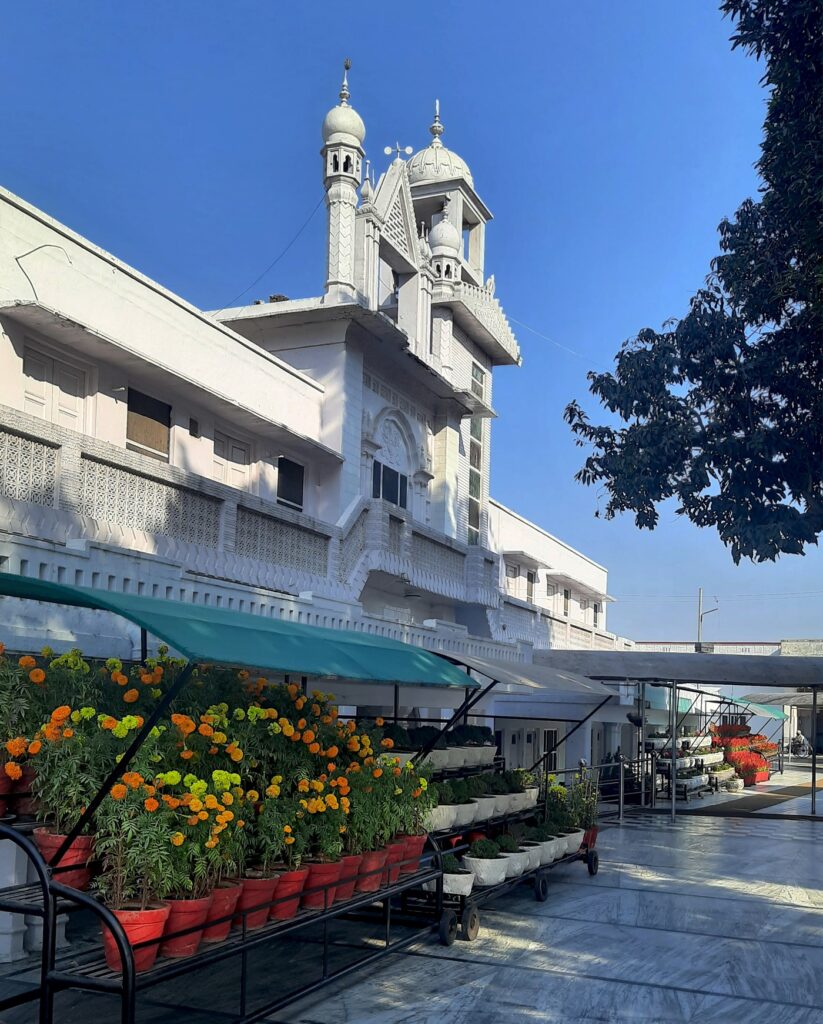
The Gurdwara is meticulously managed by a local committee under the Shiromani Gurdwara Parbandhak Committee (SGPC). The SGPC ensures the seamless operation of religious ceremonies, langar services, and the welfare of pilgrims, making the Gurdwara a beacon of hospitality and devotion.
Architectural Splendour
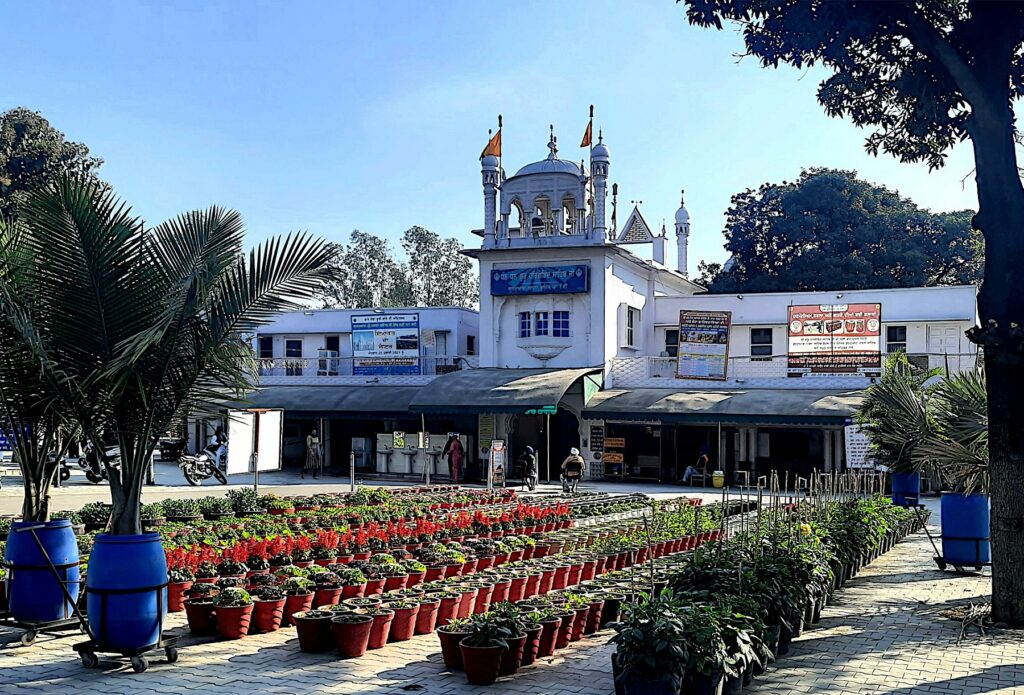
Gurdwara Garna Sahib is a stunning example of Sikh architecture, blending tradition with functionality. Its octagonal building, crowned with a dome and golden pinnacle, symbolizes spiritual elevation. The white marble structure and flooring reflect purity and serenity, while intricate geometric patterns and arched windows add elegance rooted in Sikh simplicity.
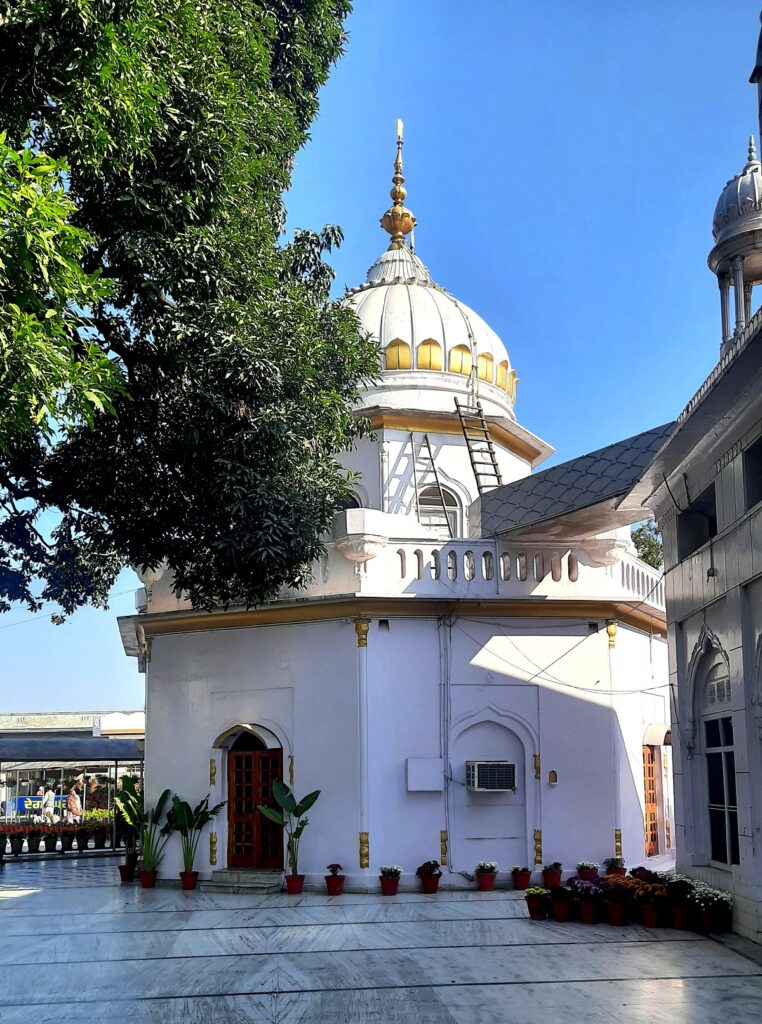
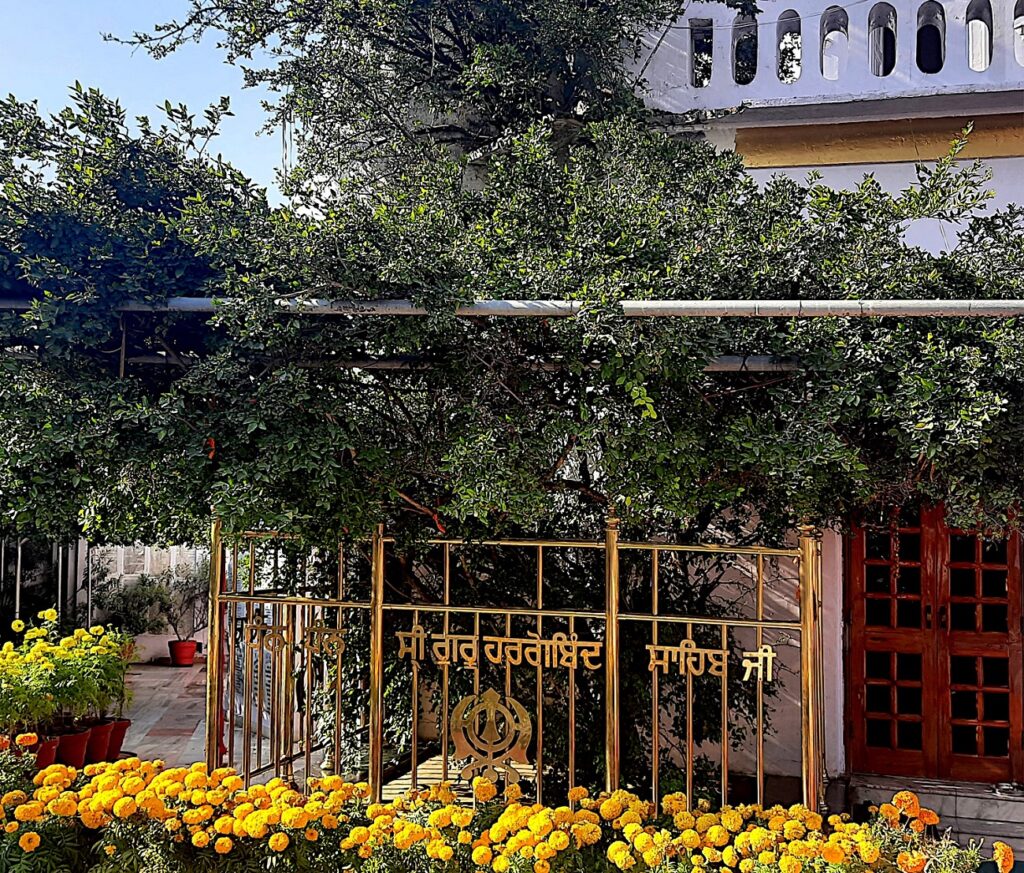
The sacred Garna tree, encased in a metallic enclosure adorned with the Khanda symbol and Punjabi inscriptions, is a natural and spiritual focal point. The spacious courtyard, lined with marigold-filled flowerpots and shaded by lush trees, creates a welcoming environment. Tall flagpoles bearing bright yellow Nishan Sahib flags add a sense of Sikh identity and pride, their vibrant yellow cloth complementing the Gurdwara’s warm ambience.
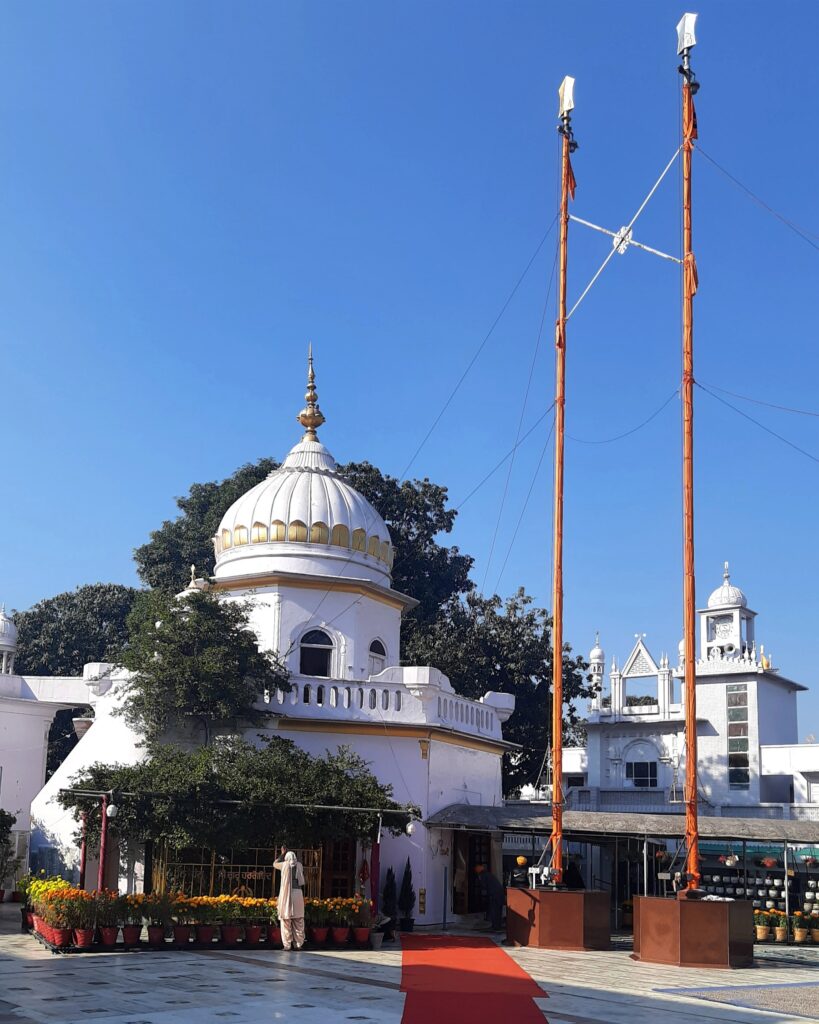
Modern additions, including the Divan Hall, Langar Hall, and Sarovar, ensure that the Gurdwara meets the needs of its growing community. The langar, a hallmark of Sikh hospitality, serves free meals to all visitors around the clock, embodying the values of equality and service.
A Place for All
Located just 1.5 kilometres from Garna Sahib Railway Station on the Jalandhar-Pathankot Road, the Gurdwara is easily accessible, with the nearest airports in Adampur, Chandigarh, and Amritsar. Its peaceful rural setting and historical and spiritual significance make it a must-visit destination for pilgrims and travellers alike.
Gurdwara Garna Sahib is more than a place of worship; it is a living testament to Sikh faith, resilience, and unity. The miraculous Garna tree, elegant architecture, and warm community spirit invite all to experience the essence of Sikhism. Walking through its serene courtyard or bowing before the sacred tree, you are enveloped by a sense of peace and connection to a timeless legacy. Whether seeking spiritual solace, historical insight, or a moment of tranquillity, Gurdwara Garna Sahib in Bodal, Hoshiarpur, offers a sanctuary where hearts and souls find harmony, leaving visitors inspired by the enduring power of faith and nature’s divine embrace

Sarbjit Bahga (b1957) is a Chandigarh-based architect, author, photo artist, and archivist. He is the Principal Architect of Bahga Design Studio LLP. Earlier, Bahga worked in the Department of Architecture, Punjab, Punjab Health Systems Corporation, and Punjab Mandi Board in various positions.
He has more than 42 years of practical experience designing various types of buildings, complexes, and large campuses. His completed works include an eclectic range of administrative, recreational, educational, medical, residential, commercial, and agricultural buildings. A monograph on his selected works titled “MODERN REGIONALISM: The Architecture of Sarbjit Bahga” has been published.
Bahga is also a keen researcher and a prolific architectural writer. He has 12 books to his credit, which include Modern Architecture in India, New Indian Homes, Le Corbusier, and Pierre Jeanneret: The Indian Architecture, Trees in Urban Habitat, Landscaping Human Habitat, New Indian Architecture -1947-2020, and Hand-Drawn Perspectives and Sketches. Bahga’s contribution to architecture has been largely recognized. He is a three-time recipient of the World Architecture Community Awards. His name has been featured in the Guinness Book of World Records for designing the “longest covered concrete corridor” in Vidya Sagar Institute of Mental Health, Amritsar.