
Bua Rani likes bangles. Each piece in her collection is one-of-a-kind, a symbol of love for us both.
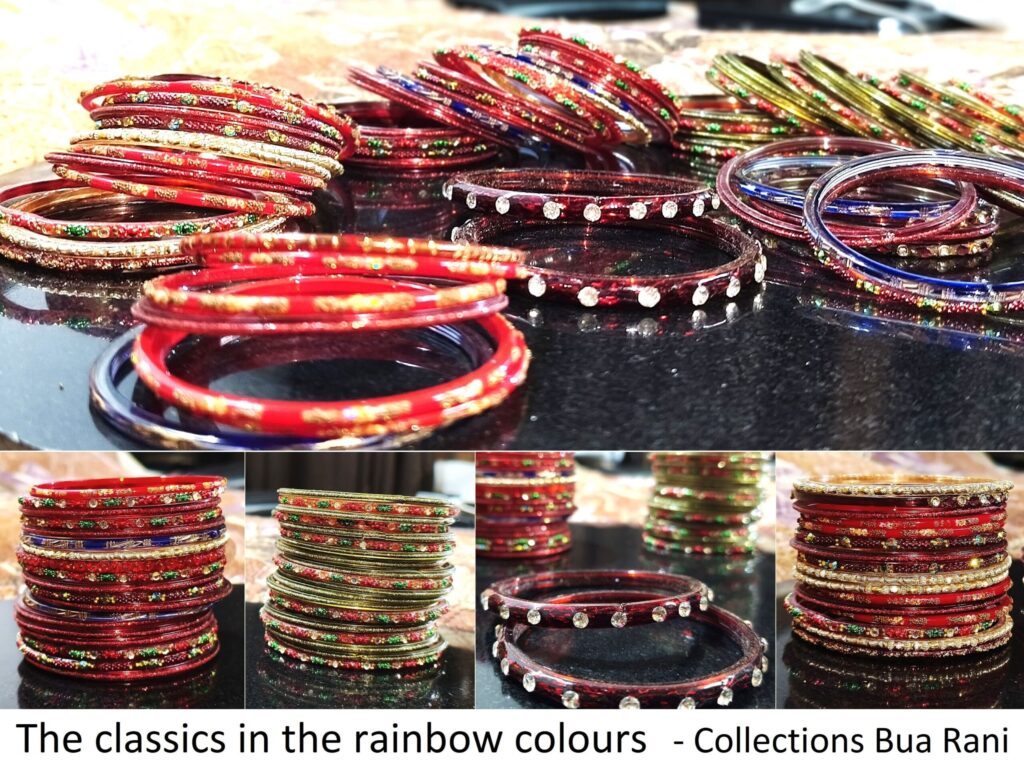
A bangle striking each other to produce a tone is a part of an Indian dance form. Music of ‘love and happiness’ may emanate from the clinking of the bangles.
Tinkling, jingling, ringing, and rattling; all could give a feel of a clink to a simpleton. Rattling can, however, be a noise and music both. It is also a rhythmic sound from a musical instrument.
Well, I like that all; and even the ringing sound of the clinking of the glasses during a toast – that sets in motion a wave of positivity.
- The vibrant colours and intricate designs reflect the wonderful art; & the special skills of the artisans behind them. There are varied bangles, broadly categorised by the materials and designs
These circular artifacts, often crafted from an array of materials, have been worn for centuries, serving as symbols of traditions, social status, and beauty.
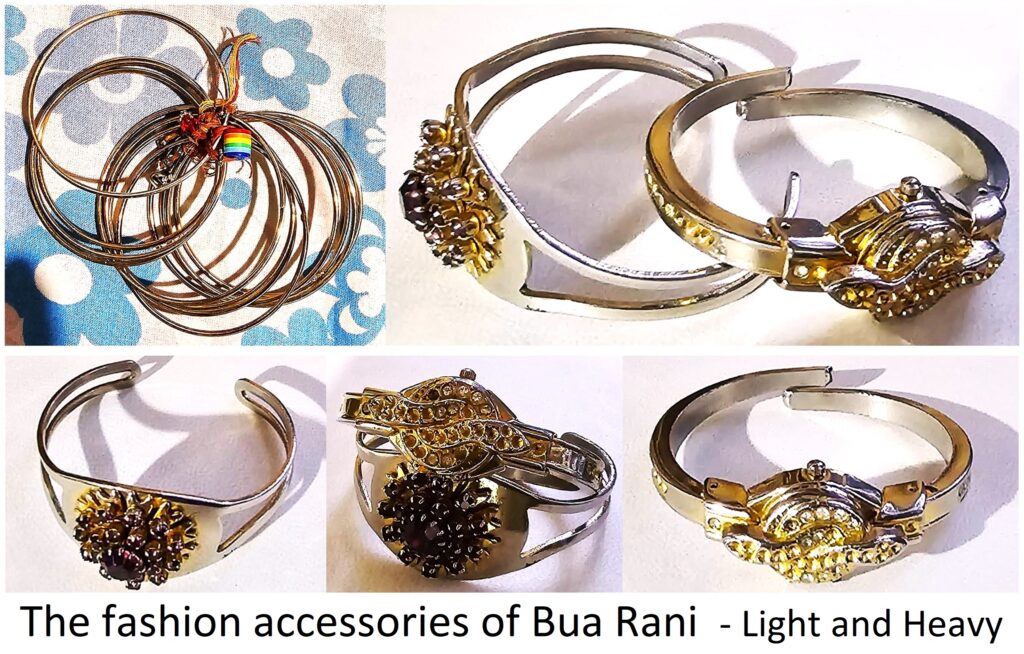
Glass bangles, moulded through the heat treatment, are known for their fragile beauty, not being as flexible as other bracelets.
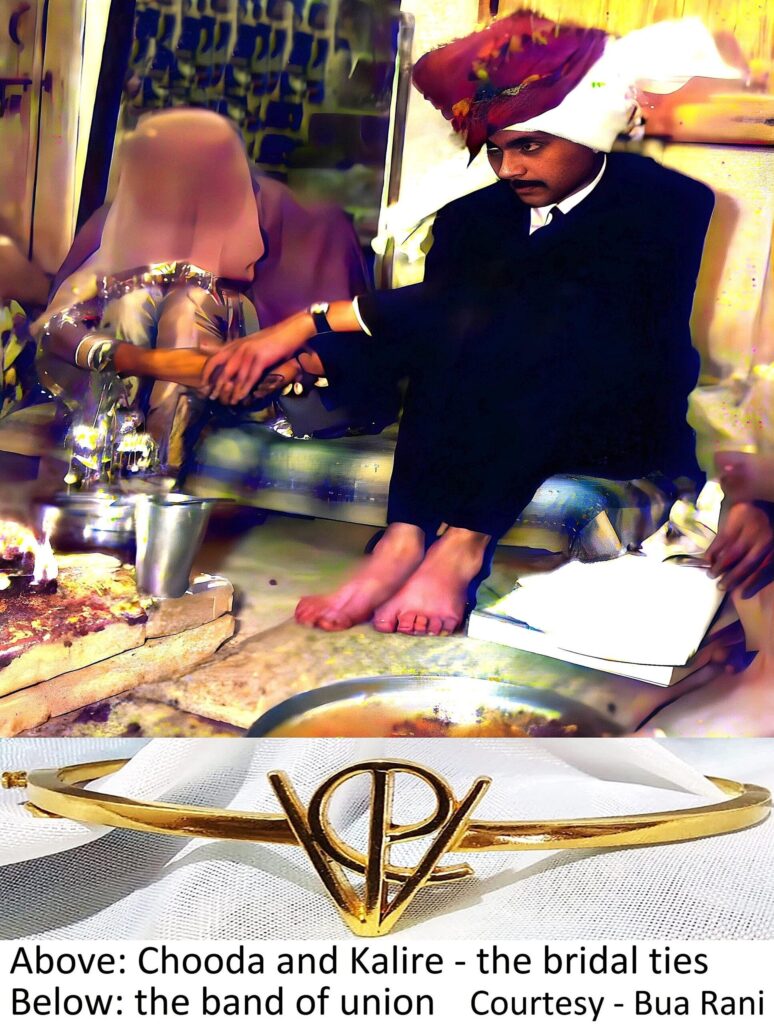
I have the nostalgia of having watched the crafting of the Ivory and the Lac bangles by the skilled artisans, to make a Chooda in the Khalonyan wali gali of Jammu. They meticulously moulded and shaped the lac, a natural resin from the lac insect. It is a traditional craft that has been passed down through the generations, preserving the ‘art and the craftsmanship’. The red ones are often associated with fidelity.
The choice of materials in bangle crafting is as diverse as the cultures. From gold, silver, platinum, glass, wood, and ferrous metals to even silk thread, all are in the fray.
Distinctions may come out as diamonds, gemstones or alike. Agate, chalcedony and other rocky stuff may stand in the queue. Recent additions are rubber and plastic; worn more like wristbands, they lend a fashionable look.
Bangles could be adorned with various motifs, patterns and emblems. The designs range from simple to handmade intricacies, often studded with precious and semi-precious stones.
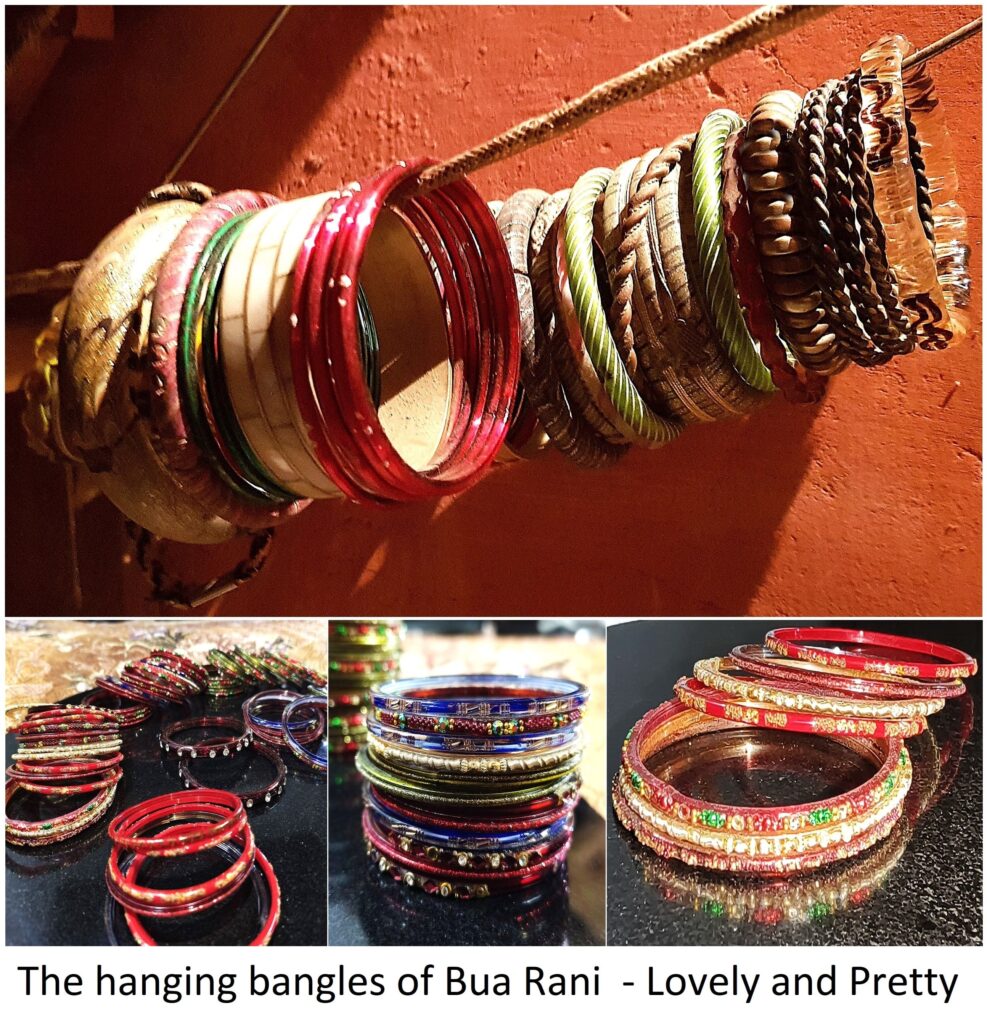
Traditional colours, red or green, often indicate prosperity and fertility. The significance relates to personal dogmas and lifestyles.
- Traditional colours, red or green, often indicate prosperity and fertility. The significance relates to personal dogmas and lifestyles.
- Chooda is a sacred bridal ornament. Red bangles symbolise good fortune and happiness, while white ones represent purity. These ivory bangles are associated with protective beliefs, even though plastic sets are in vogue. The ‘kalire’, with the tinkling bells against the plopping sound of the ivory, adds an element of celebration to the ceremony.
- Bangles in India have a deep history. A figurine of a dancing girl wearing bangles on her left arm has been excavated from the Mohenjo-Daro archaeological site.
Popular amongst bangle enthusiasts is the ‘vendor women’ in the streets; the variety of colours and designs is the essence. Firozabad, Uttar Pradesh, is the largest producer of bangles.
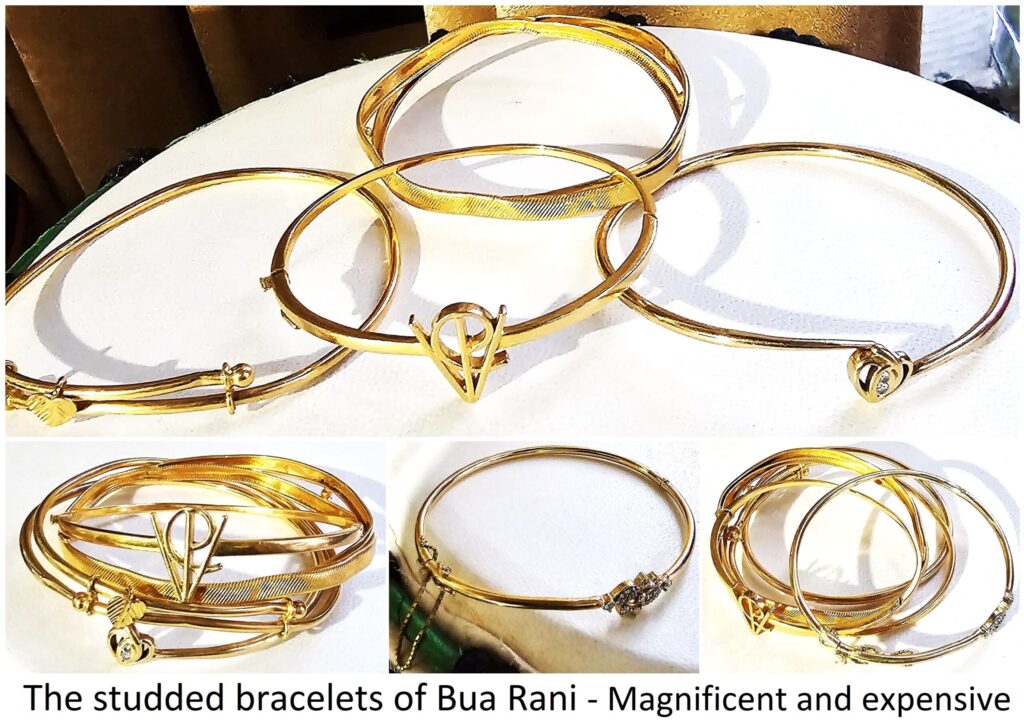
Being a part of traditional jewellery in the Indian subcontinent, these are not just ornaments. They are carriers of tradition, yet they adapt to current trends with startling grace.
Rather than marital status, the younger generation is taking over bangles for a display of personal styles and fashion trends. The focus is on aesthetics and appeal through an infinite blend of colours and materials, merging tradition into modernity. Bangles play a pivotal role in festive and religious occasions as well.
Bangles add colour and flair to the turnout of a lady. An appeal lies in the dash of sheen and a splash of glimmer. More so, young girls feel fresh and vibrant. Glass bangles, once considered fragile, are now a popular choice.
The gold and silver bangles make a typical jingling sound, whereas the imitation jewellery may vibrate as a tinny noise.

Prof. (Er.) Chander P Mahajan is an art critic & a free lance journalist. The Environmentalist stays in Shimla and Dalhousie, Himachal Pradesh, India.