
Perched between clouds and quietude, India’s hill stations are not merely destinations—they are experiences shaped by altitude, atmosphere, and timeless charm. In the gentle embrace of mountains, where the air is cooler and life slows down, hill stations unfold a shared story of serenity and escape. From the misty Himalayas to the lush Western Ghats, hill stations across India echo a common rhythm—of nature, nostalgia, and rejuvenation. There is something universally comforting about hill stations—the whispering pines, the winding roads, and the promise of peace beyond the plains. Beyond their postcard beauty, hill stations reveal a fascinating blend of nature, culture and quiet adventure. Each hill station may wear a different face, yet beneath the mist lies a shared symphony that draws travelers back, time and again. Long cherished as havens of tranquility, they offer a gentle escape from the intensity of urban life.
Despite their geographical diversity, each with its own distinct identity, there are several common universally appealing features. Blending natural splendor with cultural richness, these offer a refreshing opportunity to connect with nature. They serve as sanctuaries for weary souls and adventure seekers alike, making them timeless destinations, offering panoramic vistas that captivate visitors.
Whether it’s the tranquil lake of Nainital, the colonial elegance of Shimla, or the verdant tea estates of Munnar and Palampur, these hill stations capture the essence of serenity and adventure, making them timeless destinations for every traveler. Whether it’s sipping Darjeeling tea amidst the Himalayas or hiking through the hilly tracks, these hill stations remind us of the universal allure of nature’s high-altitude treasures. Rich forests, sprawling meadows, and breathtaking landscapes define hill stations which are synonymous with cool, pleasant weather, especially in regions where plains experience sweltering heat.
The biodiversity of hill stations, shaped by their altitudinal range, is remarkable, offering a glimpse into the unique cultures of the region, often reflected in their markets and traditions. From rolling hills to cascading waterfalls, the breathtaking landscapes, the serene water bodies adding to the allure cater to thrill-seekers with a range of adventure activities. Many Indian hill stations established during the colonial period, their heritage architecture remains a prominent feature.
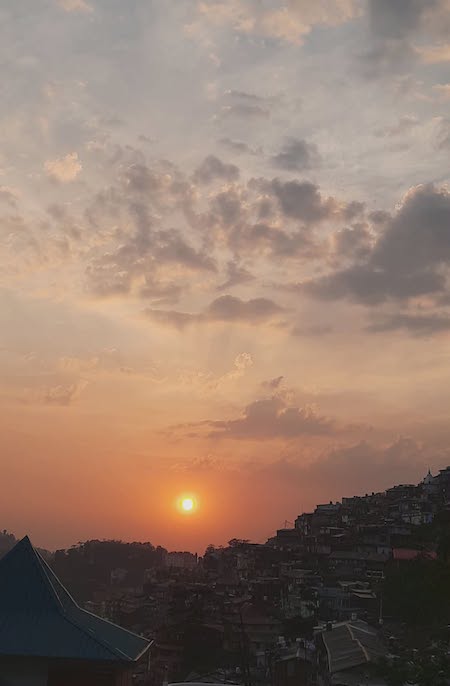
Most hill stations have a Mall Road, a central promenade that serves as a hub for shopping, dining, and leisurely strolls. The Mall Road of Shimla and Mall Road, Manali (Himachal Pradesh), Mussoorie and Nainital’s Mall Road running parallel to Naini Lake, present picturesque views and a lively atmosphere. Besides being famous for cafes, and local shops, these are known for vibrant local markets, which sell unique souvenirs, woolen clothing, wooden artifacts, shawls, carpets, tea, and handicrafts.
Dotted with viewpoints that offer panoramic vistas of mountains, valleys, and forests. Tiger Hill, Darjeeling (West Bengal) is known for stunning sunrise views over the Kanchenjunga. Dolphin’s Nose, Kodaikanal (Tamil Nadu), offers breathtaking views of the plains and cascading waterfalls.
Gardens and parks are a hallmark of Indian hill stations, providing serene spots for relaxation. The well-laid Mughal gardens, Tulip garden and Botanical garden in addition to numerous gardens and parks adding to the beautiful nature in Srinagar (Kashmir), remains matchless. Lal Tibba, Mussoorie (Uttarakhand) is the oldest viewpoint in Mussoorie, surrounded by peaceful gardens. Botanical Garden, Ooty (Tamil Nadu) houses thousands of species of plants, including rare orchids.
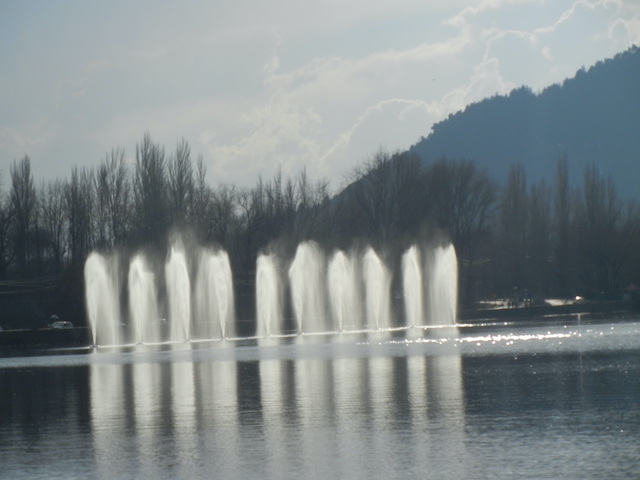
Many hill stations feature serene lakes that become focal points for boating and picnics. World famous Dal lake amid picturesque surroundings in Srinagar are a must for the visitors. Naini Lake, Nainital (Uttarakhand) is a natural freshwater lake surrounded by hills. Venna Lake, Mahabaleshwar (Maharashtra) is popular for paddle boating and horse riding along its banks.
Cable cars or ropeways provide both transportation and incredible views of the surroundings. Gulmarg Gondola, Patnitop Gondola offer spectacular views of snow-capped peaks. Darjeeling Ropeway, Darjeeling (West Bengal) provides sweeping views of tea gardens and the Himalayas. Mussoorie ropeway and Dharamshala, Shimla ropeways in Himachal Pradesh are a thrilling experience in the mountains.
Adventure enthusiasts have plenty of opportunities for trekking, paragliding, and more. Rohtang Pass, Manali (Himachal Pradesh) is known for skiing, snow biking, and trekking. Rishikesh (Uttarakhand) , although not a typical hill station, offers Himalayan trekking and white-water rafting. Cascading waterfalls add to the natural beauty of hill stations. Bhagsu Falls, McLeod Ganj (Himachal Pradesh is frequented for trekking and relaxation. Elephant’s Falls, Shillong (Meghalaya) is a multi-tiered waterfall surrounded by lush greenery and so is Kempty Falls in Mussoorie.

Some hill stations are connected by narrow-gauge railways, offering scenic journeys passing through incredible views of terraced fields, pine forests, quaint villages, tunnels and bridges on a beautiful route. The intimidatingly high snow-clad mountains, the zigzag turns and thrillful steep gradients are a common sight if you’re on board the Darjeeling Himalayan toy train. The breathtakingly beautiful landscape makes you wonder about this engineering marvel. On board, you get to witness the Kanchenjunga Peak and an unbelievably picture-perfect view of Darjeeling town. Declared as UNESCO World Heritage Site, the Darjeeling Himalayan Railway is, again one of the best heritage toy trains in India. Another one in the list of UNESCO World Heritage Sites, chugging through dense forests, rocky terrain, and misty hilltops, Nilgiri Mountain toy train of Ooty-Coonoor, is one of most awe-inspiring toy trains in India. Also, it is another one in the list of UNESCO World Heritage Sites in India, where the Kalka-Shimla toy train passes through lush green hills offering picturesque views of the surrounding beauty.
Another common feature in many hill stations are colonial-era churches. St. John in the Wilderness, McLeod Ganj (Himachal Pradesh) is one such serene church amidst deodar forests. From bustling Mall Roads and tranquil lakes to adventurous cable car rides and serene viewpoints, hill stations offer something for everyone.
In their usual simplicity and splendor, hill stations remind us that sometimes, the most meaningful journeys are those that take us closer to nature and ourselves. Though scattered across diverse landscapes, these highland retreats are united by a single purpose: to soothe, inspire, and quietly endure. Perhaps that is the true magic of hill stations—not just in their beauty, but in their ability to feel familiar, no matter where you are. As the mountains stand timeless and unchanged, hill stations continue to offer what modern life often takes away—stillness, simplicity, and space to breathe. In every winding path and mist-covered valley, hill stations whisper the same invitation: to pause, to wander, and to belong. It is this shared essence—of calm, charm, and quiet adventure—that makes hill stations irresistible.
Photos by Rachna Vinod

Rachna Vinod is a multilingual poet, writer, blogger and broadcaster, proficient in Hindi, Urdu, English, and Dogri. Her works have been broadcast through multiple media platforms, including All India Radio. In addition to her books, her articles and creative pieces are regularly published in both print and online literary magazines. She has made significant contributions to literature with over 20 individual publications and participation in more than 25 collaborative anthologies.
A Few Published Works:
Urdu: Yasmeen-e-Sughandh, Mere Humsafar
English: Eternal Heritage, Shahada Aisha, I Am Here Only, Bridging The Gap, Lotus Lore, Kashmir Konnectivity: A Biosketch
Hindi: Ankahi Sargam, Pighalte Himkhand (poetry collection), Madhyaratrik Kshan, Parvaton Ke Dayare (short story collection)
Dogri: Adaya Madaya Geeten Bharya, Hirkhi Phuhar, Aakhi Lai Dile Di Gall