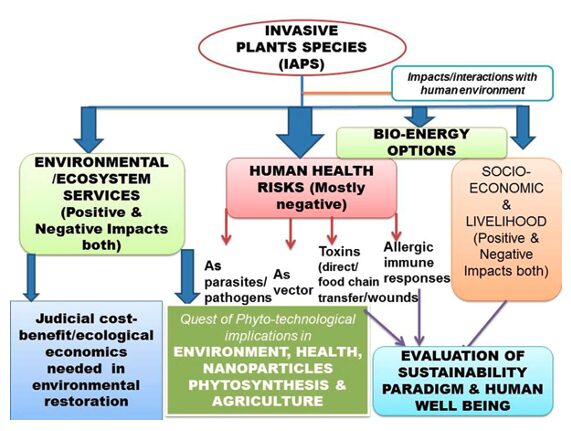
An invasive species also called as introduced species, alien species or exotic species is an introduced organism that becomes overpopulated and harms its new environment. They adversely affects habitats and bioregions that causes ecological, environmental and economic damage. Invasive alien plant species has gained the global interest of ecologists, biological conservationist, forestry planners, natural resource managers and social development planners due to their devastating impact on biodiversity and ecosystem functioning. The resulting impact can be termed catastrophic as they ultimately threaten the environmental integrity and food security of mankind.
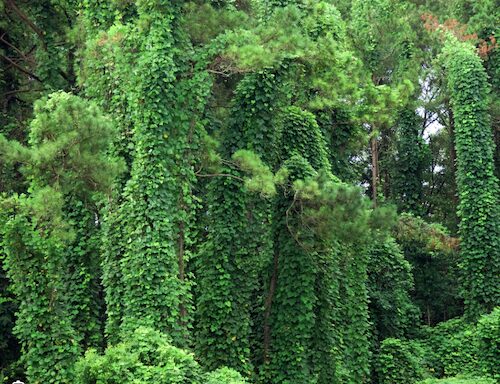
Invasion always affects the sustainability of native communities by altering their structure, composition and functions. The invasion of alien species has been evaluated as second most important threat to native species. Invasive plant species in a forest landscape displaces the native species by out competing the seeds of native species to germinate and by suppressing the growth of native saplings. In agricultural landscapes, the invasive plant species out compete crops for soil and water resources thus reducing crop yield and forage quality. Aquatic invasive plant species clogs water bodies thus causing danger to the existence of native aquatic flora and fauna and it adversely affects the public water supply and irrigation system. Invasion by alien plant species affects the dynamics and composition of soil. Invasive species are tolerant of wide range of soil and weather conditions and they produces large amount of seeds that disperse easily, grows aggressive root systems and have high dispersal rates. Alien invasive species are a greater threat to native biodiversity than pollution.
How invasive species spread
Invasive species mainly spread by human activities, often unintentionally. People, and the goods we use, travel around the world very quickly and they often carry uninvited species with them. Ships can carry aquatic organisms in their ballast water, while smaller boats may carry them on their propellers. Insects can get into wood, shipping palettes, and crates that are shipped around the world. Some ornamental plants can escape into the wild and become invasive and some invasive species are intentionally or accidentally released pets.
Threats to native wildlife
Invasive species cause harm to wildlife in many ways. When a new and aggressive species is introduced into an ecosystem, it may not have any natural predators or controls. It can breed and spread quickly, taking over an area.
Native wildlife may not have evolved defenses against the invader, or they may not be able to compete with a species that has no predators. The direct threats of invasive species include preying on native species, outcompeting native species for food and preventing native species from reproducing or killing a native species.
Threat to biodiversity
There is a significant threat by invasive alien plants to biodiversity and is comparable to habitat destruction. Ecosystems are threatened by global change drivers including land-use change, invasive species and climate change, all of which are altering biodiversity and the functioning of ecosystems. It has been a matter of debate among invasion ecologists whether IAPS are the first/second most severe threat. The most common view among the invasion ecologists in regard is that this global problem of IAPS is being accelerated by the anthropogenic(man-made) interferences. Global Assessment Report on Biodiversity and Ecosystem Services of UN, recently declared the IAPS/alien invaders as major driver of biodiversity loss. They cause loss of biodiversity which also leads to species extinctions. The impact of invasive alien species on biodiversity in various ecosystems is varying over the past years. At some regions the impact is low with little influence on biodiversity and in other regions the impact is high with significant alteration in native biodiversity. The pesticides applied to treat a particular pest species could pollute soil and surface water. The spread of IAS driven by disturbances is linked to poor individual performance and reduced species diversity which leads to irreversible changes in the species composition of understory vegetation.
Socio-economic threat
Invasive alien species increases the losses of species and genetic biodiversity destroys the structure and functions of ecosystems the ultimate consequence is huge economic loss. The economical, environmental and social cost of alien invasive species is very high. They influence the functioning of ecosystem in such a magnitude and it largely affects the long term development planning of a country. The major impact of alien species invasion is reduction in forest product availability, which directly affects the rural livelihood because the sustenance of rural livelihood entirely depends on such products.
Threat to human health
Humans and animals are seriously impacted by invasive plants when they come into contact with the plants or eat the plants. Species like Lantana camara and Eichornia cressipes provide habitat for mosquitoes. There are increasing instances of mosquito borne diseases where these species have invaded. The death and decay of Eichornia cressipes pollutes water bodies and increases the instances of bacterial infection leading to spread of water borne infectious diseases. The pollen grains of Parthenium hysterophorus are allergic to skin and respiratory system. Ageratum conyzoides, Calotropis procera are allergic to humans and livestock. Invasive alien plant species can serves as host reservoirs for plant pathogens and other organisms that can infect plant, animal and human beings.
Initiatives for the management of Invasive Alien Species
At the Global level:
- Convention on Biological Diversity (CBD):
- Kunming-Montreal Global Biodiversity Framework
- IUCN Invasive Species Specialist Group (ISSG):
India:
- National Action Plan on Invasive Alien Species (NAPINVAS)
- National Biodiversity Action Plan
- National Invasive Species Information Center (NISIC)
- Plant Quarantine (Regulation of Import into India) Order, 2003
Practices to reduce the risk of invasion
The forestry practices that reduces the risks of plant invasions includes continued surveillance for invasive species, minimizing canopy opening during harvesting and other silvicultural operations in natural forests, encouraging rapid canopy closure in plantations, minimizing the width of access roads and ensuring that vehicles and other equipments are not transporting seeds of invasive species. One way to curb the spread of invasive species is to plant native plants and remove any invasive plants in your garden. There are many good native plant alternatives to common exotic ornamental plants. Foresters should also try to ensure that potential invasive species are not planted in dispersal range of production forests. At the same time, plantation managers need to be certain that they are not themselves planting species with known invasive potential. Tropical foresters need better training in the detection and management of invasive species problems.

A scientist with Himalayan Forest Research Institute, Shimla, Shilpa works as the Chief Technological Officer with the Forest Ecology and Climate Change Division.