
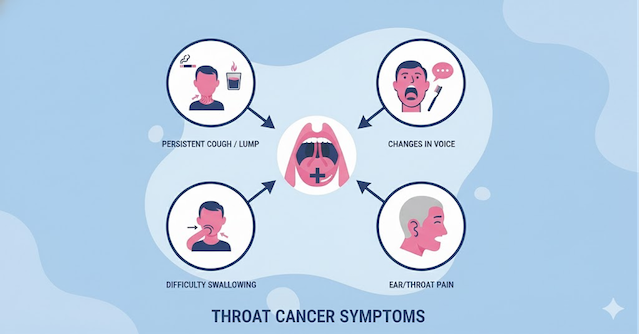
Radiation therapy is a vital part of throat cancer treatment, but it often brings side effects that make eating difficult. Pain while swallowing, throat soreness, dryness, changes in taste, and fatigue are common throat cancer symptoms, especially as radiation progresses. For many patients, solid foods become uncomfortable or impossible to consume, increasing the risk of poor nutrition, weight loss, and weakness.
At this stage, nutrition is not about eating “normally” but about ensuring the body continues to receive adequate calories, protein, fluids, and essential nutrients. Smoothies and liquid diets offer a practical, gentle way to nourish the body without adding strain to sensitive throat tissues. When planned carefully, they can help patients maintain strength, support healing, and cope better with treatment.
Why is Liquid Nutrition Becoming Essential During Radiation Therapy?
Radiation to the throat and neck area can inflame delicate tissues and reduce saliva production. This can lead to mucositis, dryness, and pain, all of which interfere with chewing and swallowing. As a result, patients may eat less, skip meals, or avoid food altogether.
Liquid and semi-liquid foods help address these challenges by:
- Requiring minimal chewing
- Passing more easily through an irritated throat
- Delivering nutrition in a concentrated, easy-to-consume form
- Supporting hydration, which is critical during radiation
Smoothies, blended soups, and liquid meals can also be adjusted in consistency, temperature, and flavour based on daily comfort levels.
Nutritional Goals For Throat Cancer Patients
During radiation therapy, nutritional needs are often higher, even when appetite is low. The main goals of a liquid diet include:
- Preventing unintentional weight loss
- Preserving muscle mass
- Supporting tissue repair and immunity
- Reducing fatigue
- Maintaining hydration
To meet these goals, smoothies should include a balance of carbohydrates, protein, healthy fats, and micronutrients rather than relying only on fruit or fluids.
Choosing Ingredients That Are Gentle On The Throat
Choosing the right foods is essential during radiation therapy, as soft, non-irritating, and easy-to-swallow foods help reduce throat discomfort and make eating more manageable.
1) Fruits That Are Usually Well Tolerated
Soft, non-acidic fruits blend easily and are less likely to irritate the throat.
- Banana
- Papaya
- Stewed apple
- Pear
- Blueberries (fully blended and strained if needed)
Citrus fruits and very sour fruits should be avoided if they cause burning or discomfort.
2) Vegetables Suitable For Blending
Vegetables provide vitamins and antioxidants, but should be cooked before blending.
- Pumpkin
- Carrot
- Bottle gourd
- Spinach or other leafy greens (lightly cooked)
Cooking softens fibre and reduces throat irritation.
3) Protein Sources For Healing And Strength
Protein is critical during radiation therapy to support tissue repair and prevent muscle loss.
- Milk or lactose-free milk
- Curd or yoghurt
- Paneer (well-blended)
- Nut butters in small amounts
- Protein supplements, only if advised by the care team
4) Healthy Fats To Increase Calories Without Volume
Healthy fats are useful when patients struggle to eat larger quantities.
- Peanut butter or almond butter
- Ground flaxseeds
- Chia seeds (well-soaked)
- A small amount of olive oil
These add calories without increasing meal size.
5) Smoothie And Liquid Diet Ideas
Banana, Oats And Peanut Butter Smoothie
This is a calorie-dense option for maintaining energy.
- Banana
- Cooked oats
- Milk or plant-based alternative
- Peanut butter
6) Papaya And Yoghurt Soothing Smoothie
Helpful for digestion and gentle on the throat.
- Papaya
- Fresh yoghurt
- A pinch of turmeric
High-Calorie Almond And Date Smoothie
Useful when weight loss is a concern.
- Milk
- Soaked, peeled almonds
- Dates
- Banana
Vegetable And Dal Soup
A savoury alternative for those who dislike sweet flavours.
- Pumpkin or carrot (cooked)
- Moong dal water
- Olive oil
- Mild seasoning
All blends should be smooth, lump-free, and consumed lukewarm.
7) Hydration And Temperature Matter
Radiation therapy often causes dry mouth and thick saliva. Adequate hydration helps reduce discomfort and lowers the risk of infection.
Good hydration options include:
- Plain water in small, frequent sips
- Coconut water
- Clear vegetable broths
- Diluted smoothies
Very hot, very cold, or carbonated drinks should be avoided if they worsen throat pain.
8) Foods And Textures To Avoid
Certain foods can aggravate symptoms during radiation.
- Acidic juices
- Spicy or heavily seasoned foods
- Grainy or coarse textures
- Thick, sticky preparations
Smooth, well-blended, and mildly flavoured foods are generally best tolerated.
Medical And Nutritional Monitoring During Treatment
Nutritional needs may change throughout radiation therapy based on side effects, blood counts, and treatment response. Some patients may experience changes in haemoglobin or other blood parameters, requiring additional medical oversight.
In such cases, coordination between the oncology team and specialists, such as an oncologist in pune may be necessary to ensure nutrition plans remain safe and supportive throughout treatment.
Supportive Care Beyond Treatment
Managing throat cancer is not limited to tumour control alone. Comfort, nutrition, hydration, and emotional well-being are equally important during recovery.
At specialised cancer hospitals such as Onco-Life Cancer Centre, patients undergoing radiation therapy receive integrated supportive care that addresses treatment side effects while helping them maintain strength, dignity, and quality of life.
Final Thoughts
Radiation therapy for throat cancer can significantly affect eating, but nutrition should never be neglected. Smoothies and liquid diets offer a gentle, flexible way to meet nutritional needs when swallowing is difficult, an approach supported at Onco-Life Cancer Centre.
With thoughtful ingredient choices, consistent intake, and medical guidance from Onco-Life Cancer Centre, liquid nutrition can help patients manage throat cancer symptoms, maintain energy, and move through treatment with greater comfort and resilience.

The opinions, beliefs and viewpoints expressed by authors, news service providers on this page do not necessarily reflect the opinions, beliefs and viewpoints of Hill Post. Any views or opinions are not intended to malign any religion, ethnic group, club, organization, company, or individual.
Hill Post makes no representations as to the accuracy or completeness of any information on this site page.