
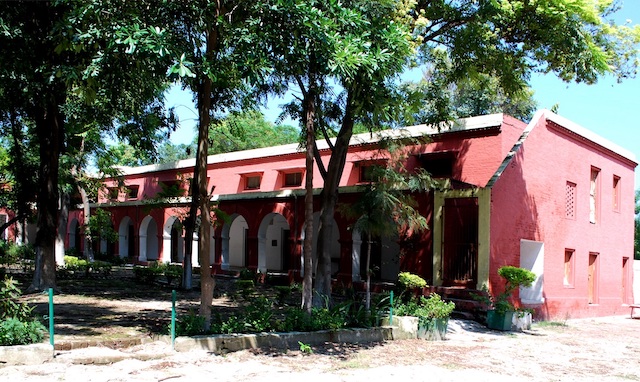
Khalsa Senior Secondary School, Garhdiwala, stands as a beacon of educational excellence and community service, celebrating its 104th anniversary in 2025. Founded in 1917 by Subedar Sham Singh and his visionary companions, the institution has grown from humble beginnings in a Bhana village living room to a transformative force in Punjab’s Hoshiarpur district. With a legacy shaped by selfless benefactors like Chaudhary Boor Singh and revered educationists like Sant Teja Singh, the school has empowered generations through academic rigour, cultural vibrancy, and a commitment to societal upliftment.
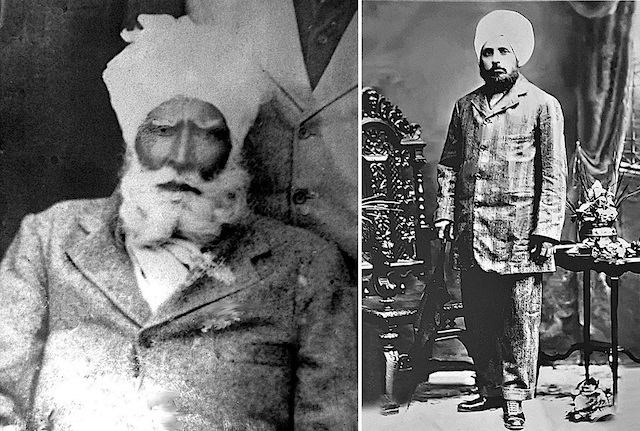
As we celebrate the 104th anniversary of Khalsa Senior Secondary School, Garhdiwala, we honour the visionaries who laid its foundation with a commitment to education and societal upliftment. The story of this esteemed institution is a testament to the power of dreaming big, regardless of formal education, as exemplified by its founder, Subedar Sham Singh.
Subedar Sham Singh (1861–1964), from the village of Bhana in Hoshiarpur, Punjab, envisioned a school to bridge the educational gap he perceived between Indians and the British. Joined by his friends, Subedar Mall Singh and another retired JCO from the Indian British Army, they founded Khalsa School in 1917. Lacking a dedicated building, the school began humbly in a living room in Bhana. By 1920, its early success prompted a request from 50 prominent locals to relocate it to Garhdiwala for better accessibility.
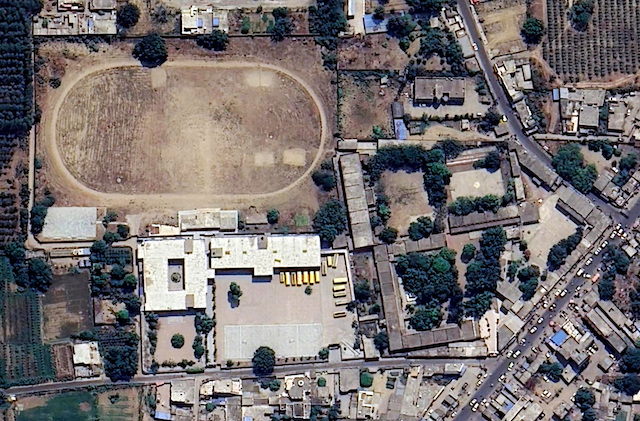
The school’s relocation was made possible by Chaudhary Boor Singh (1861–1943), a generous benefactor from a prominent Garhdiwala family. He donated approximately 40 acres of land free of cost, enabling the construction of classrooms and the school’s shift to its current site in 1921. Boor Singh’s contributions extended beyond land, as he provided financial and moral support, ensuring the institution’s growth. His selflessness allowed generations of students to access quality education without exorbitant fees, shaping countless careers.
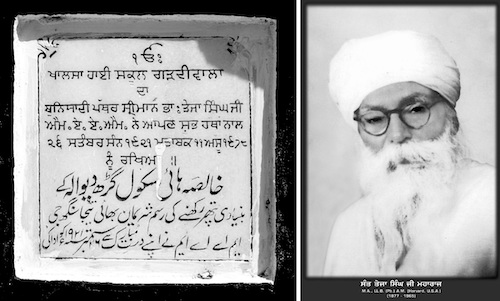
The foundation stone of Khalsa School was laid on September 26, 1921, by Sant Teja Singh (1877–1965), a revered saint-educationist. A passionate advocate for education, he served as the Principal of Khalsa College, Amritsar, and later studied at Cambridge and Harvard, earning a second Master’s degree in 1911. Through the Kalgidhar Trust, Baru Sahib, established in 1963, he promoted universal brotherhood and quality education in rural areas, inspired by Guru Nanak Dev’s teachings.
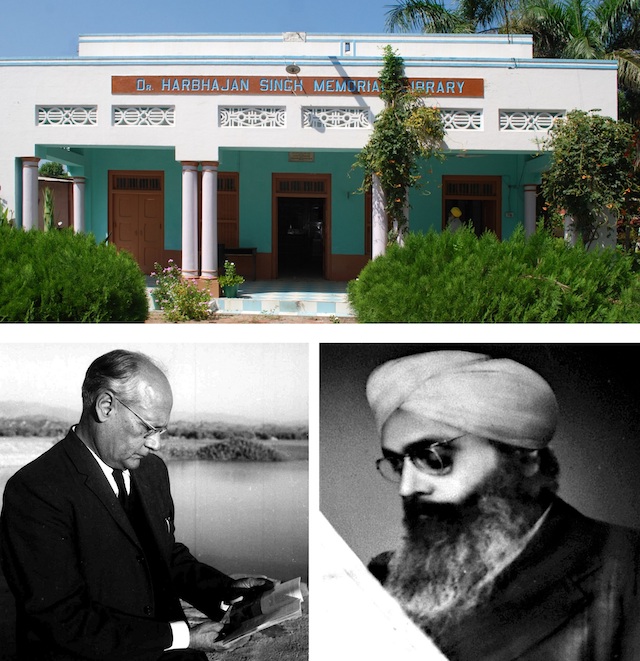
Another pivotal figure, Dr. MS Randhawa, enriched the school with the Dr. Harbhajan Singh Memorial Library, named after his distinguished educationist father-in-law. During a meeting with school management and community leaders, Dr. Randhawa passionately advocated for a dedicated library, contributing all the money he had on hand and inspiring others to follow suit. This collective effort brought the library to fruition, enhancing the school’s academic offerings.
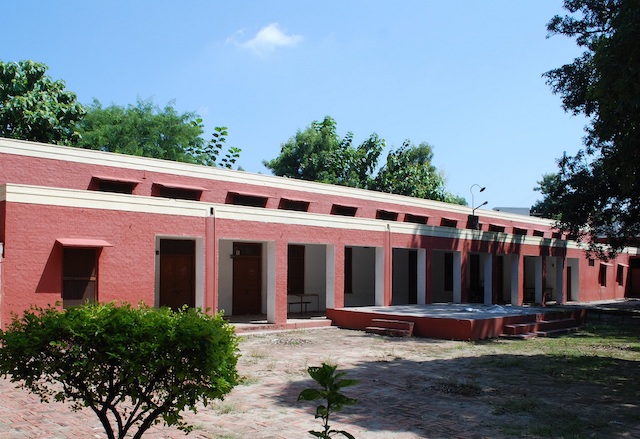
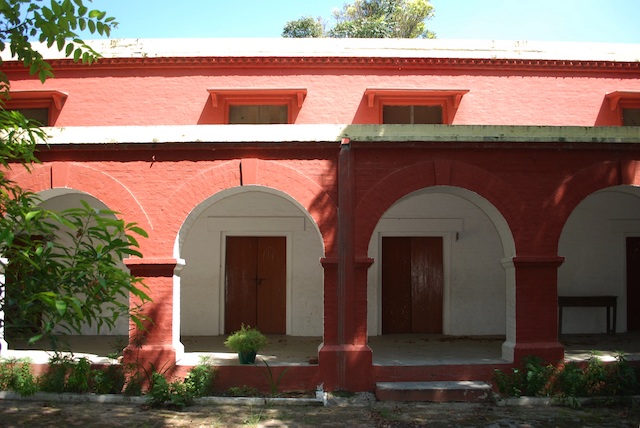
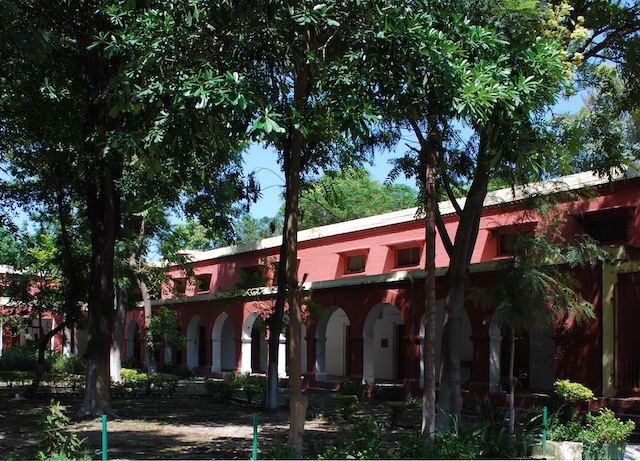
The campus is a marvel of thoughtful design, crafted without formal architectural training. Its courtyard planning, interlocking squares, shaded walkways, and exposed brickwork create a harmonious and enduring educational environment. These features reflect the foresight of the school’s creators, whose vision continues to inspire.
We also pay tribute to Babu Mehar Singh Sandhar (1899–1985), a civil engineer and nephew of Subedar Sham Singh. Serving as the school’s manager from 1967 to 1985, his dedication strengthened its legacy.
The alumni of Khalsa Senior Secondary School, Garhdiwala, owe an immense debt to these silent contributors and visionaries. Their selfless efforts have made the institution a beacon of excellence, empowering generations through education.
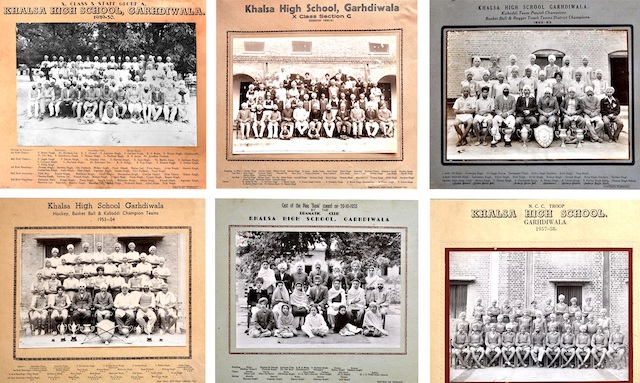
For 104 years, Khalsa School Garhdiwala has stood as a pillar of education and inspiration, shaping the lives of countless students and leaving an indelible mark on society. Since its founding in 1921, this esteemed institution has nurtured a remarkable talent—freedom fighters, scholars, scientists, doctors, engineers, architects, agricultural pioneers, administrators, military officers, celebrated athletes, and influential leaders—each contributing to its storied legacy.
Khalsa School, Garhdiwala, has long been synonymous with academic excellence. Its students have consistently achieved extraordinary success, with four alumni earning top honours in Punjab’s state examinations:
- Ajit Singh Bahga, who claimed first place in Panjab University’s Class 10 examination in 1948.
- Channan Singh, who topped the Punjab School Education Board in Class 8 in 1959.
- Shadi Lal Bahla, who secured the top rank in Panjab University’s Class 10 examination in 1961.
- Amrik Singh Dhugga excelled in the Punjab School Education Board’s Class 9 examination in 1975.
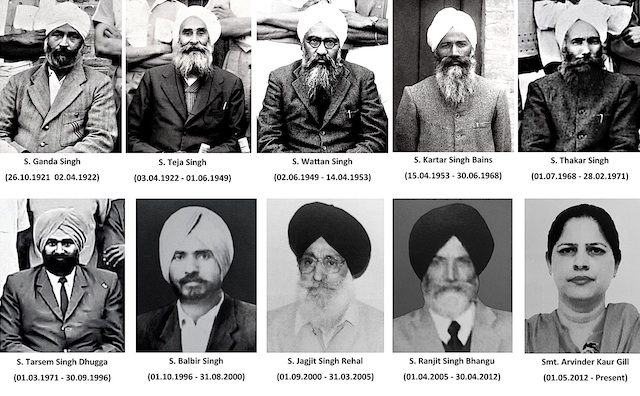
This legacy of achievement owes much to the vision and dedication of the school’s ten Headmasters and Principals, who have guided the institution with unwavering commitment over the past century:
- S. Ganda Singh (1921–1922)
- S. Teja Singh (1922–1949)
- S. Wattan Singh (1949–1953)
- S. Kartar Singh Bains (1953–1968)
- S. Thakar Singh (1968–1971)
- S. Tarsem Singh Dhugga (1971–1996)
- S. Balbir Singh (1996–2000)
- S. Jagjit Singh Rehal (2000–2005)
- S. Ranjit Singh Bhangu (2005–2012)
- Smt. Arvinder Kaur Gill (2012–present)
Supported by a devoted team of teachers, these leaders have cultivated an environment where academic rigour and holistic growth flourish.
A Beacon for the Community
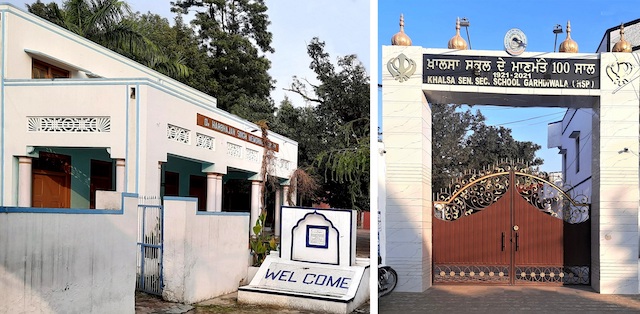
Nestled along the Hoshiarpur-Dasuya Road, Khalsa School Garhdiwala serves as an educational haven for students from over 170 surrounding villages. From its humble beginnings as a High School in 1921, it evolved into a Higher Secondary School in 1958 and later a Senior Secondary School in 1985, reflecting its commitment to meeting the growing needs of its community.
The school’s influence extends beyond its own campus, having played a pivotal role in establishing sister institutions in Garhdiwala:
- Sangla Hills Guru Nanak Girls’ School, founded in 1962.
- Khalsa College, Garhdiwala, was established in 1966.
- Sant Baba Harnam Singh Khalsa Model School opened in 2001.
These institutions continue to provide quality education to thousands, amplifying the school’s transformative impact across the region.
Khalsa School Garhdiwala goes beyond academics, fostering discipline and patriotism through its vibrant NCC Army Wing, NCC Air Wing, and Scouts programs. These initiatives nurture students’ sense of duty, social responsibility, and commitment to healthcare services. Many alums, inspired by these experiences, have pursued distinguished careers in the Indian Armed Forces, a fact proudly recorded in the school’s history.
Renowned as a hub for sports, Khalsa School Garhdiwala has excelled in Kabaddi, Hockey, Basketball, and Athletics, producing athletes who have shone on national and international stages. The school’s grounds have hosted countless championships, including the historic first Indo-Pak Kabaddi match following the 1947 partition—a moment in sporting history.
The school’s cultural contributions are equally impressive. During Headmaster S. Kartar Singh Bains’s (1953–1968) tenure, the Drama Club was established under S. Chanan Singh Saif, a scholar with triple M.A.s in Punjabi, Urdu, and Persian. This club became a creative powerhouse, staging thought-provoking plays that tackled social issues and nurtured talented actors, singers, and orators who gained widespread acclaim.
As Khalsa School Garhdiwala marks its 104th year, it remains a living testament to the power of education to transform lives and uplift communities. Its century-long journey reflects an unwavering commitment to fostering academic excellence, cultural richness, and social responsibility. Looking ahead, the school continues to inspire future generations, carrying forward the vision of its founders to create a brighter, more inclusive world through education and service.
- The author is an alumnus of Khalsa School, Garhdiwala, who studied from Class 6 to 11 from 1968 to 1974.
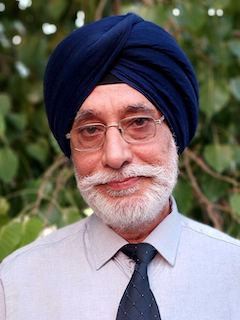
Sarbjit Bahga (b1957) is a Chandigarh-based architect, author, photo artist, and archivist. He is the Principal Architect of Bahga Design Studio LLP. Earlier, Bahga worked in the Department of Architecture, Punjab, Punjab Health Systems Corporation, and Punjab Mandi Board in various positions.
He has more than 42 years of practical experience designing various types of buildings, complexes, and large campuses. His completed works include an eclectic range of administrative, recreational, educational, medical, residential, commercial, and agricultural buildings. A monograph on his selected works titled “MODERN REGIONALISM: The Architecture of Sarbjit Bahga” has been published.
Bahga is also a keen researcher and a prolific architectural writer. He has 12 books to his credit, which include Modern Architecture in India, New Indian Homes, Le Corbusier, and Pierre Jeanneret: The Indian Architecture, Trees in Urban Habitat, Landscaping Human Habitat, New Indian Architecture -1947-2020, and Hand-Drawn Perspectives and Sketches. Bahga’s contribution to architecture has been largely recognized. He is a three-time recipient of the World Architecture Community Awards. His name has been featured in the Guinness Book of World Records for designing the “longest covered concrete corridor” in Vidya Sagar Institute of Mental Health, Amritsar.