
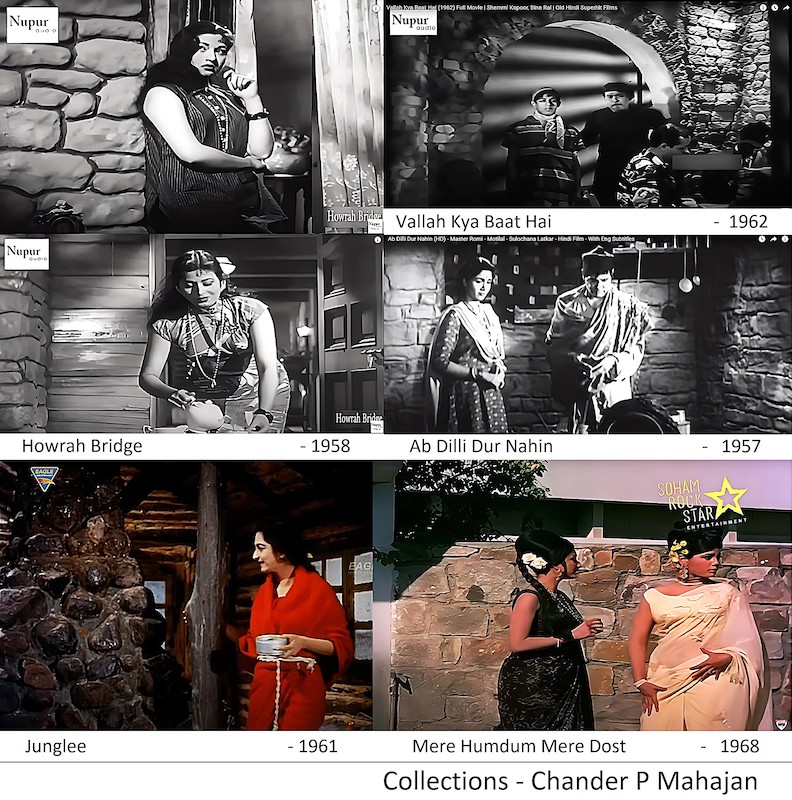
Stone is for beauty and function. It’s a medium for architectural expressions, a symbol of cultural heritage. Also known for exceptional strength and durability, the eco-friendly material is sourced from the earth.
Stone’s versatility allows for a wide array of creative applications, showcasing its enduring appeal and ability to be shaped and used in different styles. A natural and visually appealing finish adds elegance, charm, and character to any space. The glaring artistry is reflected profusely in Indian films.
It is the craft of shaping and arranging stones, often together with mortar. The choice of stone can greatly affect the look. The unique textures, colours, and patterns found in different types of stone create a gorgeous visual impact.
May it be traditional or present-day style, stone masonry can be adapted to suit a wide range of design strands. Dressed or undressed, it can create various architectural elements, including walls, pillars, arches, fireplaces, and decorative features.
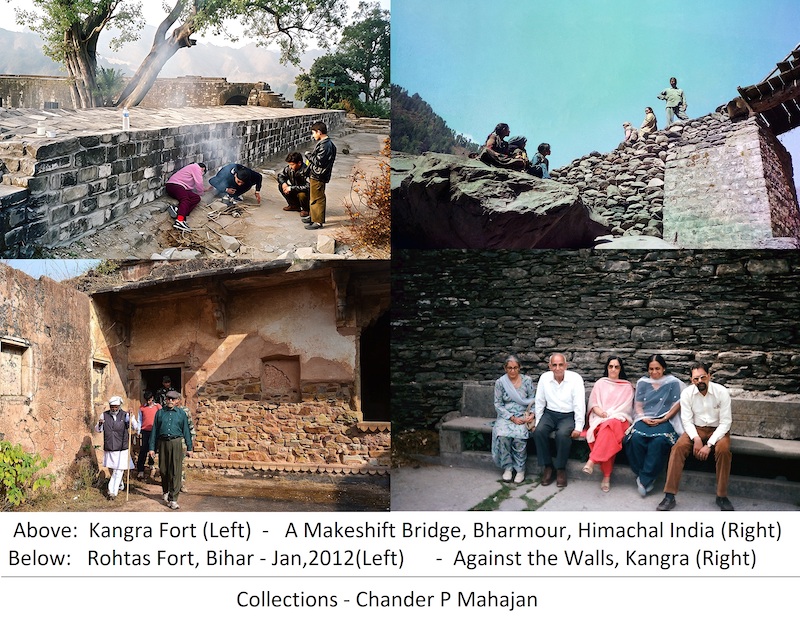
Ancient structures are known for their durability. The skill stands as a tribute to the advanced engineering of the time.
The long-lasting edifices like temples and forts, were built of stone; not only for their durability but also to convey deep philosophical, religious, and cultural meaning.
The intricate temples of India reflect the artistic and spiritual importance embedded in stone craftsmanship. They reflect a perfect blend of form, function, and visual aesthetics.
- Stone masonry is more than just a construction method; it stands as a symbol of human creativity throughout history. The masonry offers umpteen styles and patterns. Uncoursed Rubble Masonry, Polygonal Rubble Masonry Random rubble masonry, Ashlar, Dry rubble masonry, and Dry stone masonry; are a few.
The Ancients heavily relied on the stonemason. Among the famous ancient stonemasons is Sophroniscus, the father of Socrates, who was a stone-cutter. The basic tools, methods and skills of the mason have existed from times immemorial.
As far as the tools; a mallet, chisels, and a metal straight edge to cut, carve, and shape stone are in vogue. Another one is ‘Mason’s hammer’ which has a long thin head and is called a Punch Hammer. It would be used with a chisel or splitter for a variety of purposes.
- While modern construction techniques have evolved; the stone masonry’s historical significance is yet alive. Architects today continue to incorporate stone into their designs, honouring the craft’s enduring legacy.
Where stone is traditional; brick and steel-reinforced concrete are the modern trends. Stone veneer is a flexible option as a protective and decorative covering.
The masonry today is a fusion of art and architecture. Also stone has become a choice for a cosmetic element of buildings.
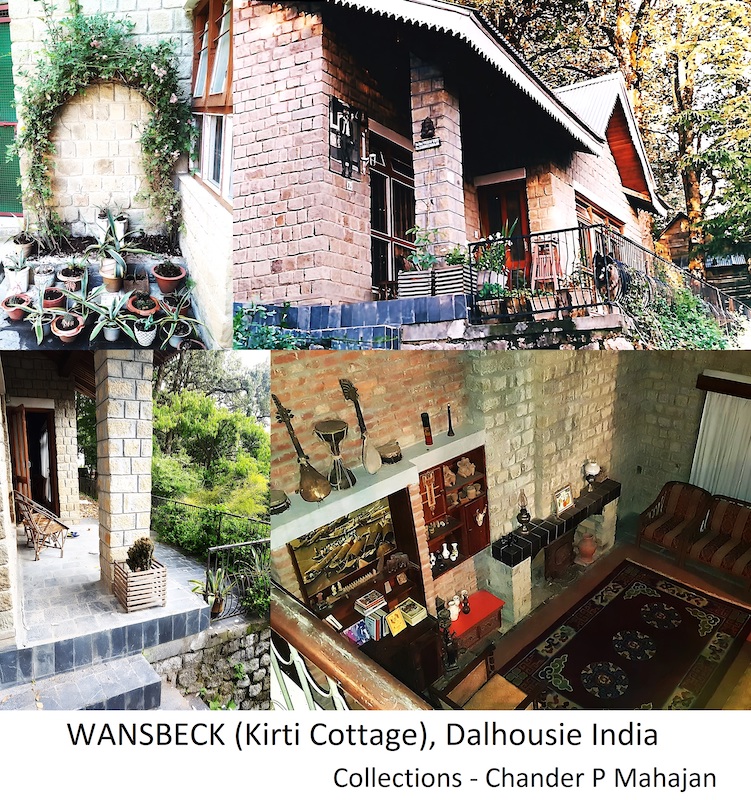
I think the other way around; I draw inspiration from the immense shapes, colours, and textures of stones. The artist in me woke up while conceptualizing ‘Kirti Cottage’ at “WANSBECK”. I conceived and carried on with the ‘ashlar rough tooled masonry’. Query cut stone from the ‘Bakloh rocks’; and the mason Chandu Lal from Kangra was all that was the first and the last choice.
The masonry, here, retains the naturally rough texture of the stones while maintaining a roughly squared shape. The stones are carefully dressed to have a textured appearance, adding identity to the structure. It evokes a traditional feel.
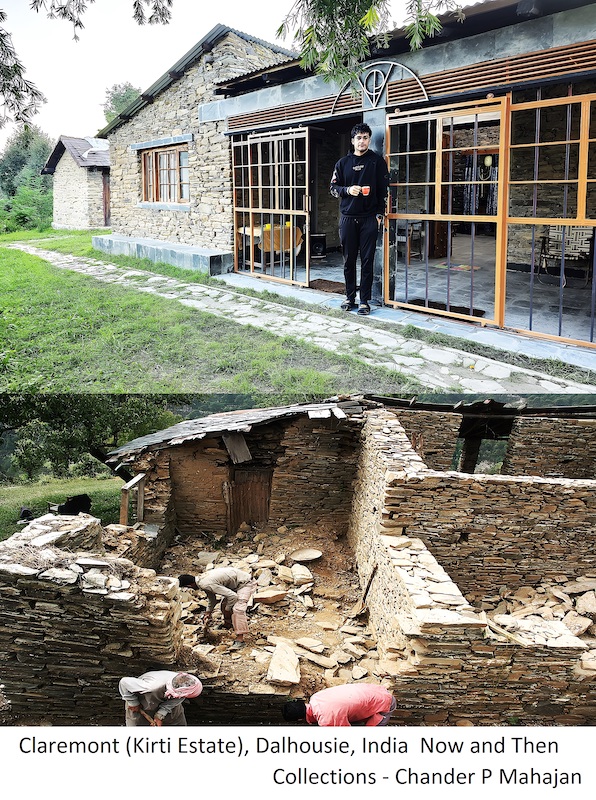
- The old structures at Claremont, ‘Kirti Estate’ were crumbling down; exposing the chipped fibre of the deteriorating constructions. Limestone here and sandstone there; all out of the sedimentary rocks. Odds and ends of mortar showed up against the failing The ancient lime, the mud and the straw in bits and pieces struggling to cover up the leftovers.
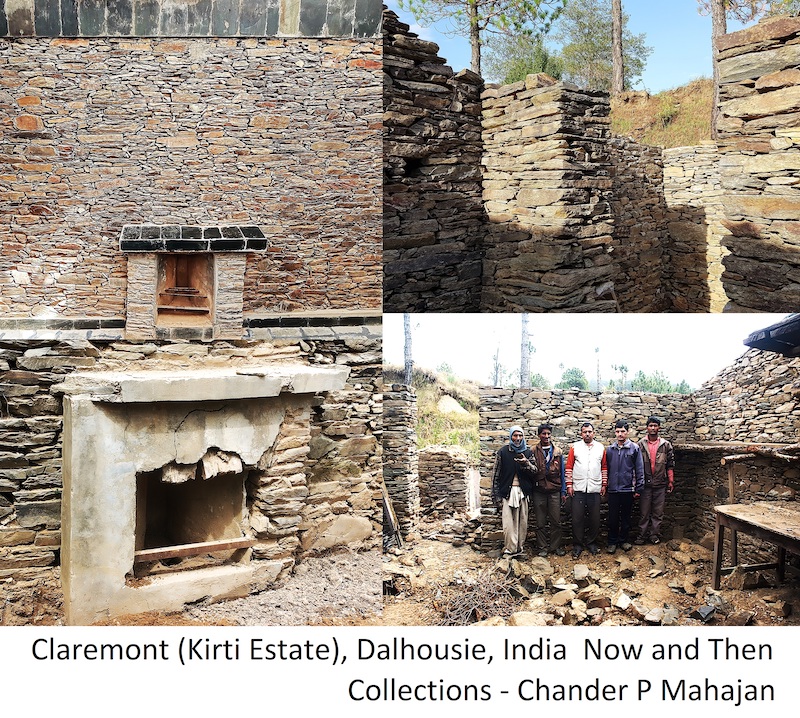
I was determined to revamp it all over. I relied on my apt team of masons who favoured dry stone masonry. Conventionally used to describe agricultural boundaries, contain livestock, and retain soil; it seemed an odd choice. Yet, I adopted it for the bare interiors and exteriors.
To begin with; I watched Girdhari Lal do it assisted by Mahesu Ram. Stones are carefully stacked; skillfully fitted together, relying solely on their interlocking properties. Grouping of like-sized stones is avoided. No stone is laid taller than it is long, except at corners.
A minimum of a quarter, and ideally a third of the length of a stone being set should cross the joint between the stones below it.
Using the shapes of the stones, compression, and friction for stability is the skill behind them.
And lo! Slow and steady, it is finished. I am delighted; It is a visual aesthetic.
https://hillpost.in/2024/10/from-boulders-to-peels/125191/

Prof. (Er.) Chander P Mahajan is an art critic & a free lance journalist. The Environmentalist stays in Shimla and Dalhousie, Himachal Pradesh, India.