
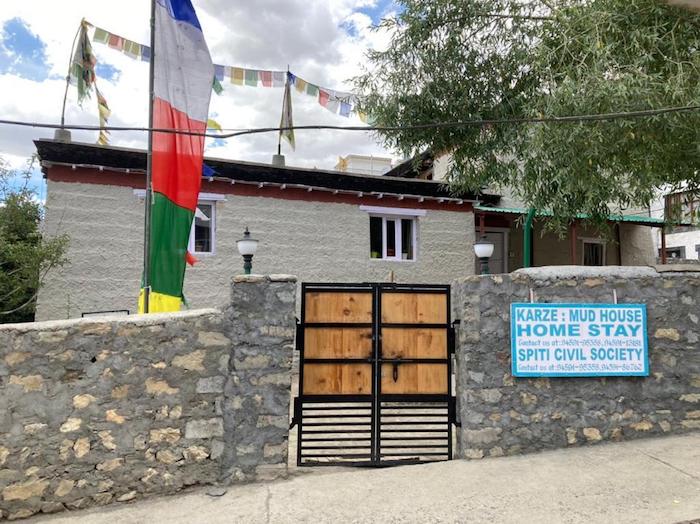
Nestled in the heart of Spiti Valley, the Kaza Spiti Heritage Mud House Homestay stands as a living testament to indigenous Himalayan architecture. Seamlessly bridging centuries-old tradition with modern eco-conscious travel, it offers visitors a rare, immersive look into high-altitude living in perfect harmony with nature.
Spiti Valley is a hyper-arid, high-altitude cold desert known for its extreme sub-zero winters. Over generations, local communities mastered a sustainable way of life using only what the land provided: earth, stone, and timber.
-
Natural Thermal Comfort: The home’s thick, sun-dried mud-brick walls act as a natural thermal battery—absorbing intense solar heat during the day and gently releasing it into the living quarters at night.
-
Earthquake Resilience: Flexible timber framing combined with traditional mud mortar allows the structure to absorb seismic shifts far better than rigid concrete modern buildings.
-
100% Sustainable: Crafted entirely from locally excavated clay, river stones, and native willow or poplar wood, the house boasts a completely circular, zero-waste lifecycle.
Preservation Meets Hospitality
Dating back over two centuries, the Spiti Karze Mud House in Kaza is one of the region’s oldest standing traditional residences. Today, it is managed by Sonam—a passionate social activist and founder of the Spiti Civil Society. Sonam’s dual mission is clear: offer guests a authentic homestay experience while protecting local architectural heritage from rapid, modern urbanization.
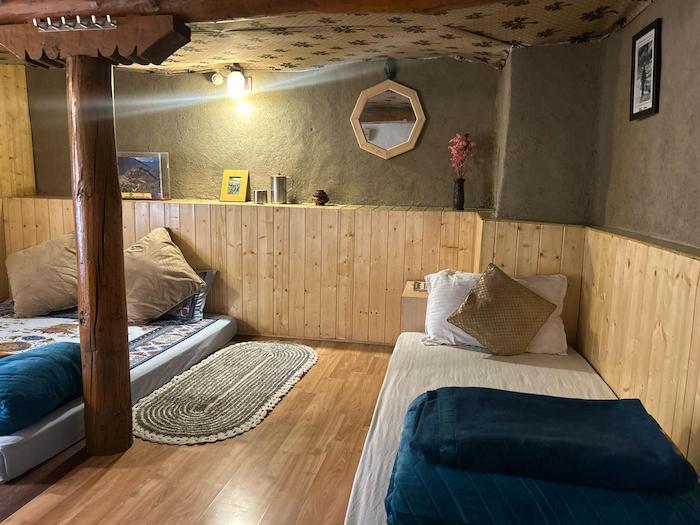
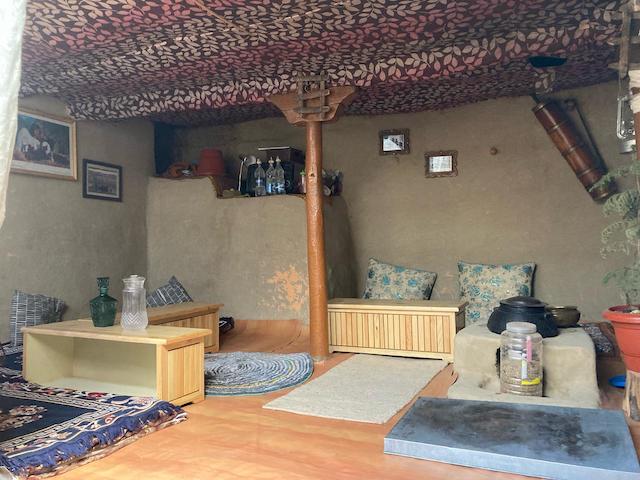
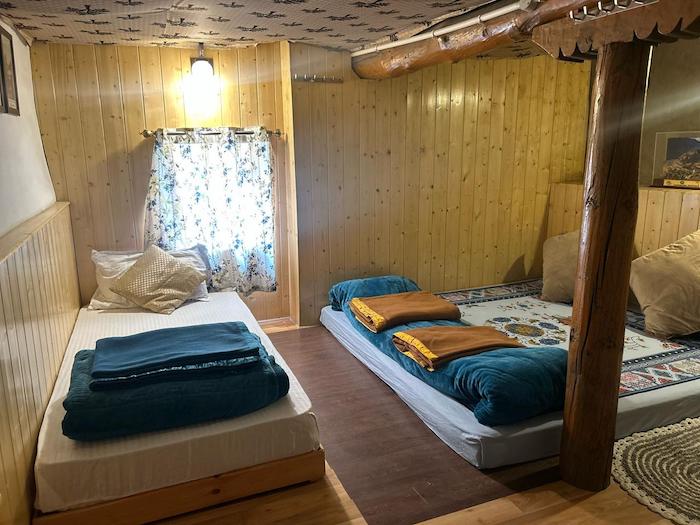
Inside, historical charm meets cozy comfort. Low-slung wooden ceilings, heavy handwoven rugs, and hand-plastered walls frame modern accommodations, including comfortable double rooms and a spacious family suite ideal for larger groups.
A Truly Immersive Himalayan Stay
-
Hyper-Local Cuisine: Fresh, customized meals are prepared daily using organic local staples such as barley, pulses, and root vegetables.
-
Cultural Connection: Guests share direct interactions with the host family, gaining firsthand insight into the rich folklore, socio-cultural fabric, and seasonal realities of life in the trans-Himalayas.

Sanjay Dutta, an engineer by qualification but is a journalist by choice.
He has worked for the premier new agency Press Trust of India and leading English daily Indian Express.
With more than a decade of experience, he has been highlighting issues related to environment, tourism and other aspects affecting mountain ecology.
Sanjay Dutta lives in a village close to Manali in Kullu valley of Himachal.