
‘Mother nature’s beauty’* was how I expressed the naturally growing flowers on my hikes and treks in the Alps, Switzerland.
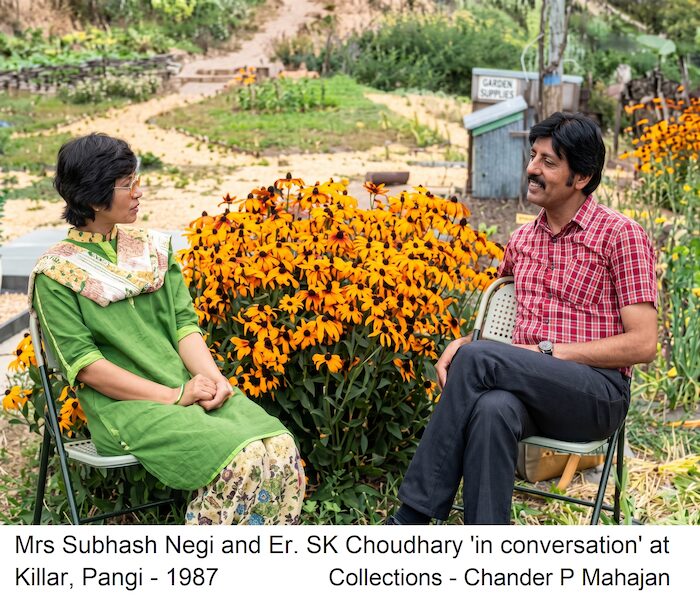
I came across many a lookalike across the harsh terrain in Pangi valley. Featuring a wide variety of wild Himalayan flora, it is no different as it blossoms with a diverse array of wildflowers. High-altitude passes and meadows are spread with color.
The valley supports a rugged, high-altitude alpine ecosystem rather than being a cultivated ‘flower valley.’
- The most popular wildflowers of the Valley include the Blue Poppy and various species of Primulas. Iris, various species of geranium and hollyhocks add to the charm. The region is known for wild marigold. Wild roses grow naturally across the high-altitude landscapes and trekking trails of the remote Valley.
Perhaps we missed the bloom, being late. The Pink Rhododendron, the official flower of Himachal Pradesh, grows well in the Pangi region and is locally referred to as ‘gulabi buransh’. This endangered Himalayan flower blooms in the higher-altitude slopes and adds lively color to the region’s ecological community. It may grow alongside birch and other flora.
In India, rhododendron is most widely known by its Hindi local name Burans or ‘Lal Buransh’.
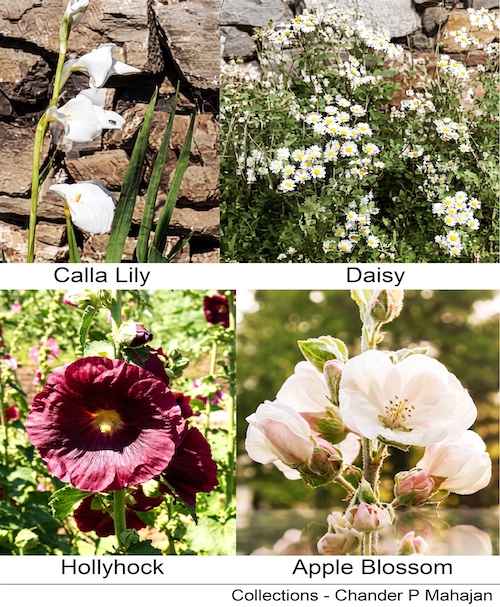
- The region supports a rich diversity of native flowering herbs and medicinal plants as well. The remote high-altitude meadows of Pangi burst with rich floral diversity in the summer months, including striking wild poppies and diverse herbs.
According to one school of thought, the valley naturally hosts nearly 500 species of flowering plants, including wild orchids, primulas, and daisies. Many species add colorful shrubby blooms.
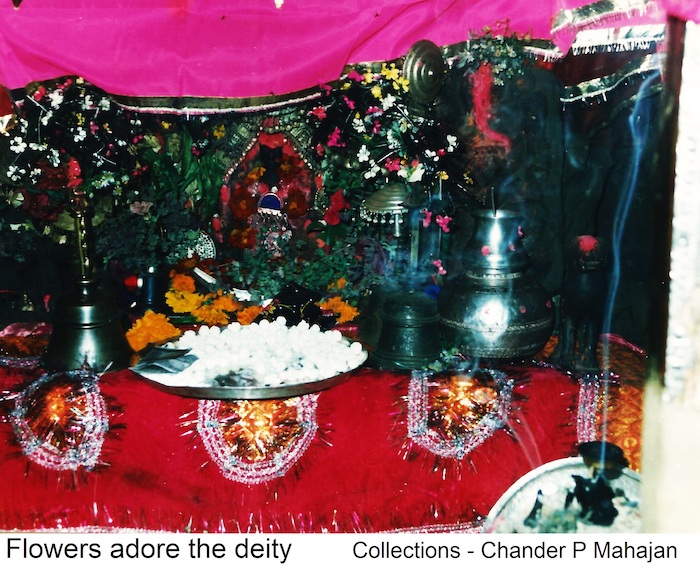
- Local Pangwali communities worship local deities by offering wild alpine flowers. Aromatic plants are traditionally collected by villagers for mountain gods and goddesses. Certain wildflowers and roots are mixed and burned as sacred incense alongside floral tributes during worship.
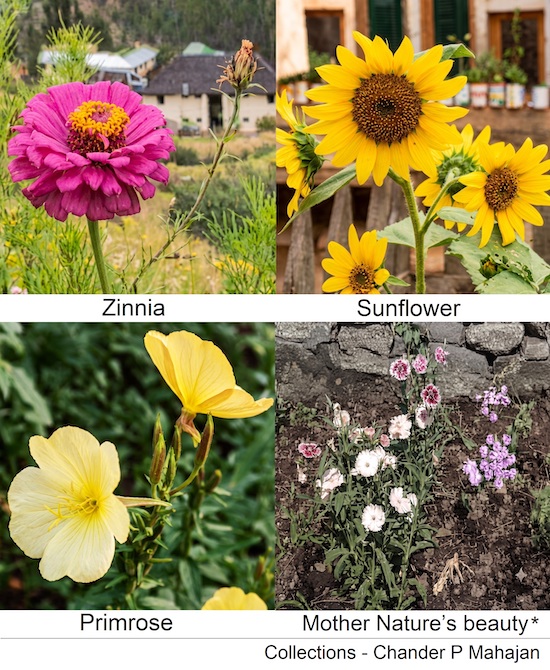
The people of the Valley have a deep bond with flowers, using them closely in their local traditions, seasonal celebrations, and daily mountain life. Flowers and alpine plants are vital for traditional tribal medicine, local livelihoods, and sustaining livestock. The flora forms an essential part of the high-altitude ecosystem used by the Pangwali community.
Local communities and nomadic herders carefully harvest alpine plants for traditional medicine, food, and cultural harmony.
Flowers play an indispensable role in cultural rituals, religious offerings, seasonal celebrations, and indigenous medicine. For the local Pangwali and Bhots communities, the seasonal bloom of alpine wildflowers acts as a vital bridge between human life, ancestral reverence, and nature.
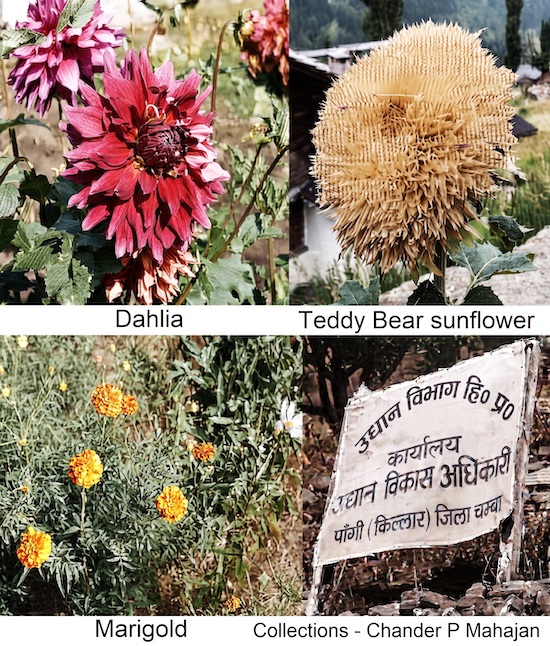
Gladiolus cultivation had been another emerging horticulture initiative.
*https://hillpost.in/author/chandermahajan/

Prof. (Er.) Chander P Mahajan is an art critic & a free lance journalist. The Environmentalist stays in Shimla and Dalhousie, Himachal Pradesh, India.