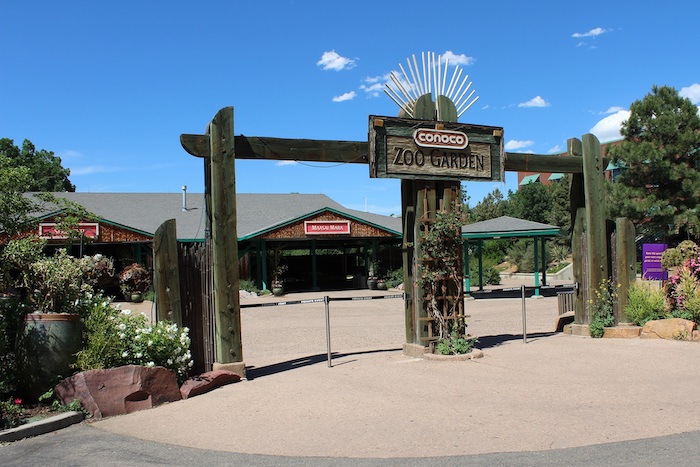
Situated in the heart of Colorado, Denver Zoo stands as one of the most beloved and respected zoological parks in the United States. It is far more than a simple place to view animals. The zoo functions as a vibrant hub for wildlife conservation, public education, and joyful family experiences. For over 130 years, Denver Zoo has welcomed millions of visitors from around the world, sparking curiosity and inspiring a deeper commitment to protecting animals and their natural habitats. Whether you are a local resident seeking a regular escape into nature or a traveller exploring Denver for the first time like me, a visit to this urban oasis promises a memorable day filled with wonder, learning, and unforgettable close encounters with incredible creatures from every corner of the globe.
Location and Size
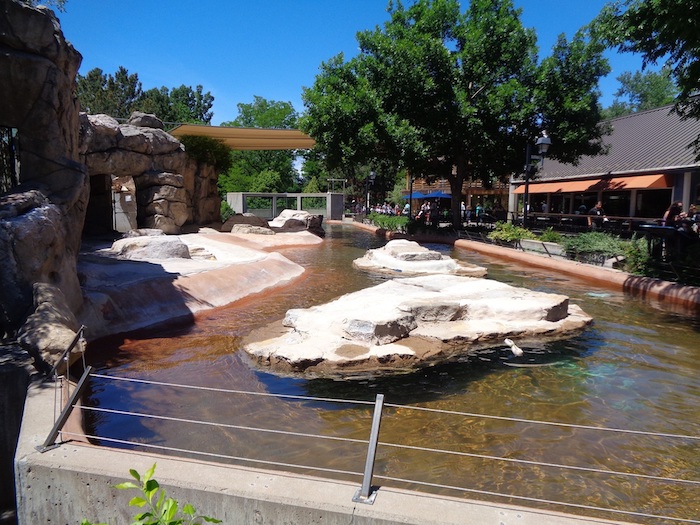
Denver Zoo is conveniently situated in Denver’s picturesque City Park. This location makes it highly accessible, just a short drive or pleasant walk from downtown Denver. The surrounding park adds to the charm with its expansive green lawns, serene lakes, and winding walking paths, inviting visitors to relax before or after their zoo adventure.
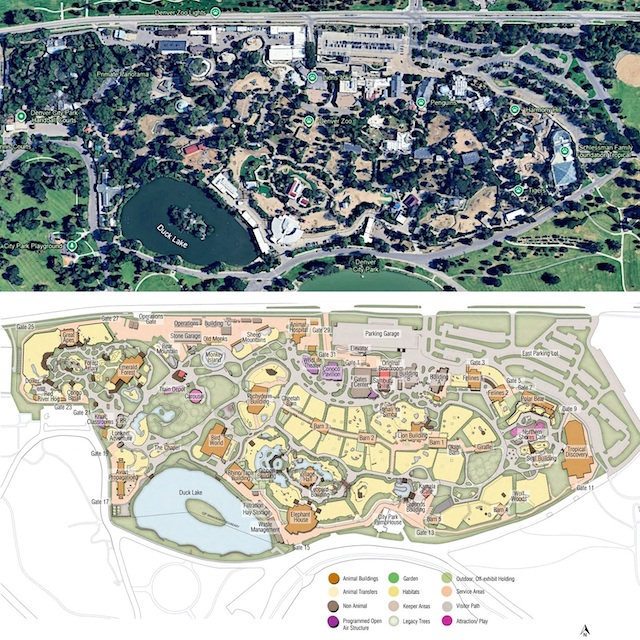
Spanning approximately 80 acres, the zoo offers a spacious, thoughtfully designed campus. The layout features a comfortable loop of indoor and outdoor exhibits that flow naturally from one habitat to another. Despite being in a bustling modern city, the grounds create an enchanting atmosphere—like a peaceful urban field station where animals can thrive in settings that closely mimic their wild homes. The relatively flat terrain makes it easier to explore compared to many hillier zoos, allowing families, seniors, and visitors of all ages to enjoy the day without excessive fatigue.
Animals and Conservation Efforts
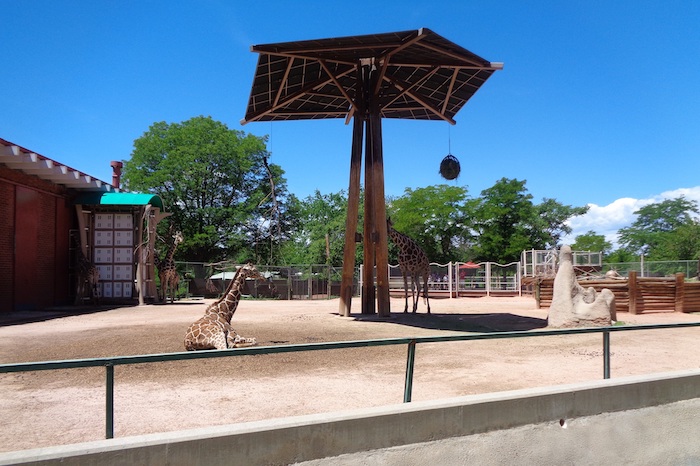
Denver Zoo is currently home to more than 2,500 animals representing hundreds of species. These include majestic mammals like elephants and giraffes, playful primates, colourful birds, fascinating reptiles, amphibians, and many more. The collection draws from diverse global habitats—Asian tropics, African grasslands, local Colorado wildlife, and beyond. The exact number of species can shift slightly over time due to ongoing conservation breeding programs, but the zoo typically features between 450 and 600 species at any given time.
What truly sets Denver Zoo apart is its profound dedication to conservation. Operating as the Denver Zoo Conservation Alliance, the organisation has supported more than 600 field projects across 62 countries on six continents since 1996. A significant portion of its budget goes directly to on-the-ground efforts, ranging from protecting Colorado grasslands and recovering bison populations to safeguarding endangered species like the Lake Titicaca frog. The zoo also maintains an off-site preserve for breeding and reintroduction programs. These initiatives help ensure that the animals and visitors serve not only as ambassadors but as active participants in broader efforts to save wildlife for future generations. Families, students, and animal enthusiasts often leave with renewed appreciation for the natural world and practical ideas for how they can contribute to conservation.
Thoughtful Planning and Innovative Design
The zoo’s layout results from careful long-term planning that balances the needs of animals, visitors, and the environment. Its Master Plan organises the grounds into four primary zones: Africa, Coastal, Peaks to Grasslands, and Asian Highlands. These zones connect seamlessly via the innovative winding tracks—a main walking route that curves and branches like natural strands, creating an intuitive, engaging flow without congestion.
This design incorporates eco-friendly elements, such as natural rainwater management along the paths. Separate service roads keep staff operations discreet, ensuring visitors and animals remain undisturbed. Animal enclosures prioritise welfare and natural behaviours. Habitats are spacious and varied, with animals often rotating between different yards to stay mentally and physically stimulated, just as they would in the wild. Hidden barriers and multi-level viewing areas allow guests to feel immersed while providing clear, unobstructed views.
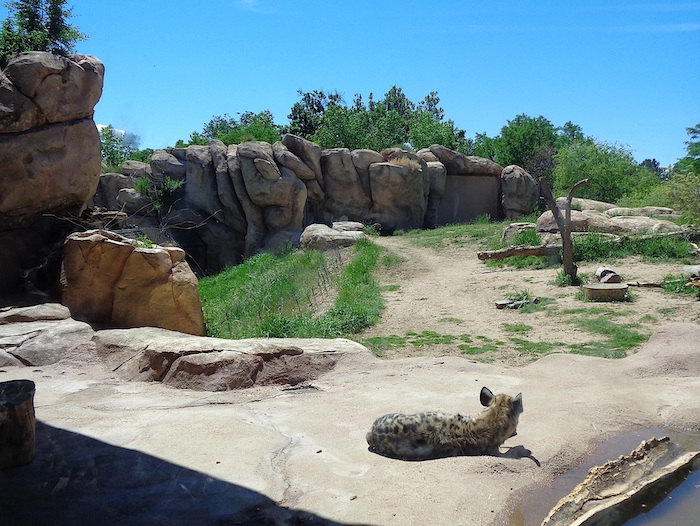
Standout exhibits bring these principles to life. Predator Ridge in the Africa zone covers nearly 5 acres of grassland-like terrain. Lions and hyenas move between rotating yards filled with new sights, smells, and experiences. Visitors can observe these powerful predators from various angles, including an indoor pavilion that brings them remarkably close. Informative displays highlight the importance of protecting these species in the wild.
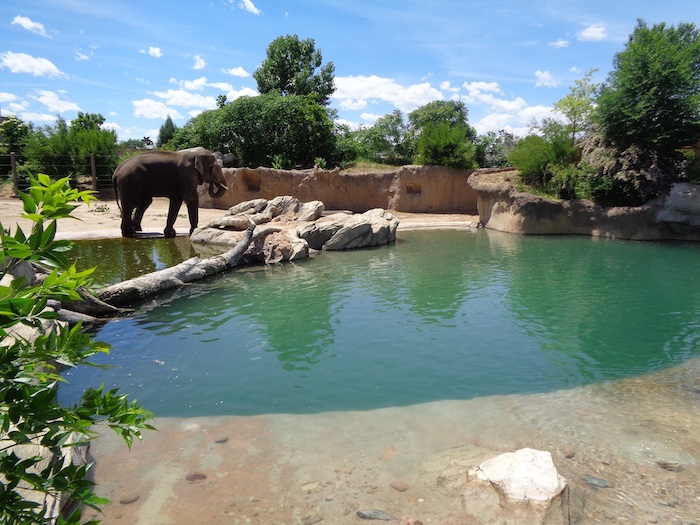
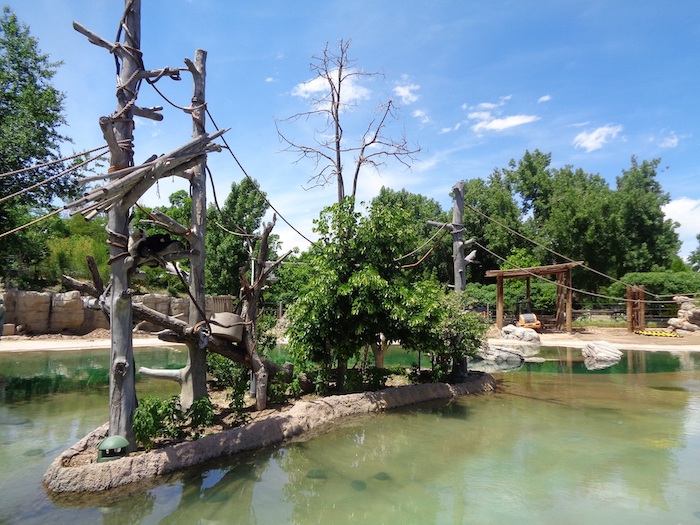
In the Asian Highlands zone, the Toyota Elephant Passage spans 10 acres—one of the largest elephant habitats in North America. It features swimming pools, mud wallows, scratching trees, long trails, and rotating spaces for Asian elephants, rhinos, and tapirs. Gibbons swing overhead, and otters play nearby, creating a rich, multi-species landscape inspired by Asian forests and villages. Multi-level viewing platforms enhance the immersive experience for guests of all heights.
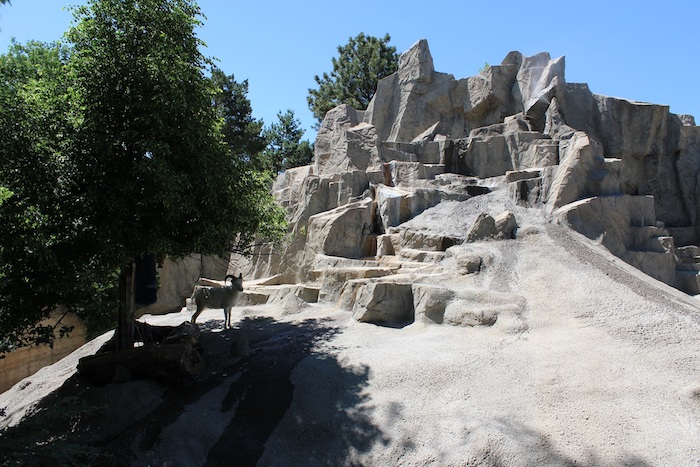
Other highlights include the Coastal zone with its water-loving animals, interactive splash areas, and family-friendly elements. The massive Tropical Discovery building feels like a zoo within a zoo, housing over 100 tropical exhibits featuring vibrant plants, reptiles, and amphibians, along with touch pools.
A Rich History of Innovation
Denver Zoo’s story began in 1896 with a simple gift—a black bear cub presented to the mayor of Denver. What started as a small collection in City Park has grown into a world-class institution. A pivotal moment came in 1918 with the opening of Bear Mountain, one of the first naturalistic, barrier-free exhibits in the United States. Inspired by European designs (particularly those of Carl Hagenbeck), it used moats and simulated rockwork instead of cages. This groundbreaking approach helped pioneer the modern “habitat zoo” concept and remains on the National Register of Historic Places today.
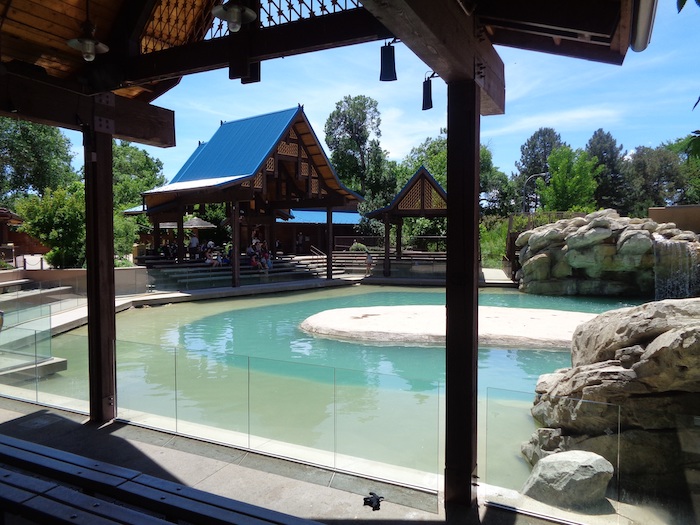
Over the decades, visionary architects and planners shaped its evolution. Early figures like landscape architect Saco R. DeBoer and zoo superintendent Victor Borcherdt shifted the focus toward more natural environments. Later, firms such as CLR Design led major projects, including the 2015 Master Plan, Predator Ridge (opened 2004), and Toyota Elephant Passage (opened 2012). Internal leaders like Marty Egan continue guiding development, ensuring the zoo evolves while honouring its heritage.
What Makes Denver Zoo Truly Special
Denver Zoo distinguishes itself through several key strengths. Its commitment to naturalistic exhibit design creates environments where animals can express natural behaviours, enhancing both welfare and visitor education. Exhibits like Primate Panorama, with its expansive mesh enclosures and rotating habitats, exemplify this ongoing innovation.
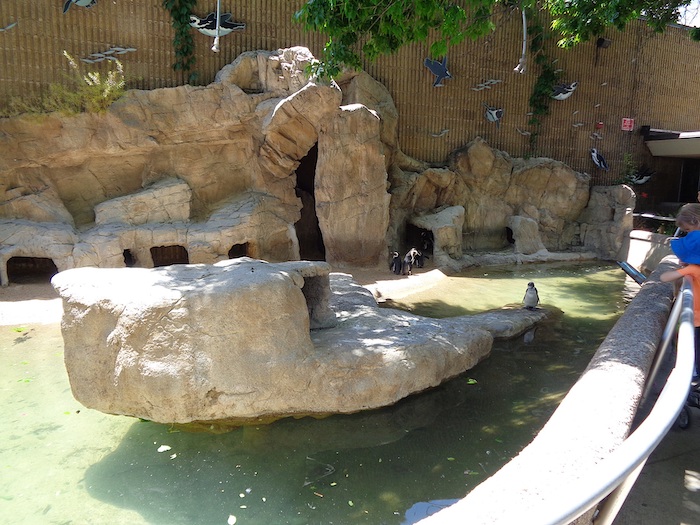
Conservation remains at the core. The zoo dedicates substantial resources to global field work and local initiatives, making a measurable impact on biodiversity. Sustainability efforts are equally impressive: it was the first U.S. Zoo to earn ISO 14001 environmental certification and has received numerous green awards. Many buildings meet high LEED standards, reflecting a strong environmental ethos.
For visitors, the experience is welcoming and accessible. The zoo offers a mix of historic landmarks and modern facilities, educational programs, interactive elements, seasonal events, and summer celebrations. Timed tickets help manage crowds, and options like memberships provide flexibility.
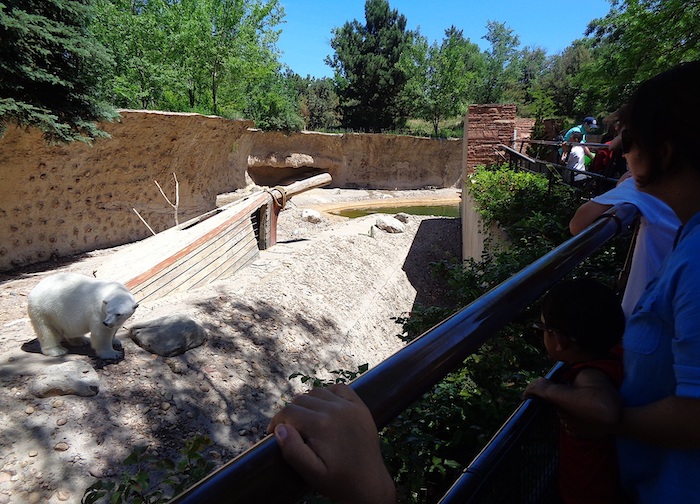
In summary, Denver Zoo combines early innovation in animal care with robust global conservation impact and a highly visitor-friendly experience. With its 2,500–3,000 animals representing over 600 species, beautiful 80-acre setting, and forward-thinking approach, it offers a rich, educational, and inspiring adventure. It truly earns its reputation as a must-visit destination for anyone who appreciates wildlife, nature, and meaningful family outings. A trip here not only entertains but also connects visitors to the wider world of conservation—leaving lasting memories and a sense of hope for the future of our planet’s precious animals.
- All photos are taken by the author except where mentioned.

Sarbjit Bahga (b1957) is a Chandigarh-based architect, author, photo artist, and archivist. He is the Principal Architect of Bahga Design Studio LLP. Earlier, Bahga worked in the Department of Architecture, Punjab, Punjab Health Systems Corporation, and Punjab Mandi Board in various positions.
He has more than 42 years of practical experience designing various types of buildings, complexes, and large campuses. His completed works include an eclectic range of administrative, recreational, educational, medical, residential, commercial, and agricultural buildings. A monograph on his selected works titled “MODERN REGIONALISM: The Architecture of Sarbjit Bahga” has been published.
Bahga is also a keen researcher and a prolific architectural writer. He has 12 books to his credit, which include Modern Architecture in India, New Indian Homes, Le Corbusier, and Pierre Jeanneret: The Indian Architecture, Trees in Urban Habitat, Landscaping Human Habitat, New Indian Architecture -1947-2020, and Hand-Drawn Perspectives and Sketches. Bahga’s contribution to architecture has been largely recognized. He is a three-time recipient of the World Architecture Community Awards. His name has been featured in the Guinness Book of World Records for designing the “longest covered concrete corridor” in Vidya Sagar Institute of Mental Health, Amritsar.