
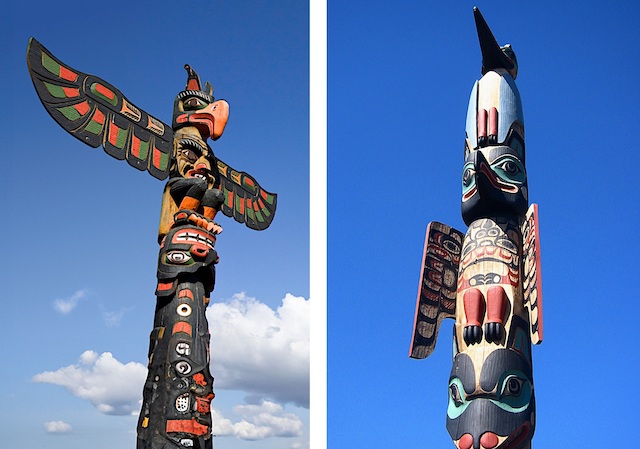
Totem poles are towering, intricately carved wooden monuments that serve as profound emblems of identity, heritage, and cultural resilience for the Indigenous peoples of North America’s Pacific Northwest Coast. Created by tribes such as the Haida, Tlingit, Tsimshian, Kwakwaka’wakw, and Nuu-chah-nulth, these majestic sculptures are hewn from the massive trunks of Western Red Cedar trees. This wood is highly valued for its straight grain, workability, and remarkable resistance to decay in the humid coastal environment. Standing as high as 20 metres (65 feet) or more, totem poles function as visual narratives, capturing family lineages, legends, historical events, and spiritual beliefs in bold, stylized forms that have captivated observers for centuries.
My first encounter with a large totem pole took place on the grounds of the Denver Museum of Nature and Science on June 2, 2018. The impressive sculpture, created by renowned artist Lelooska Smith (1933–1996), immediately captivated me with its exceptional craftsmanship, striking beauty, elegant form, and intricate structure. This encounter sparked a deep curiosity that led me to explore the rich tradition of totem pole woodcarving further. As I delved deeper into the subject, I discovered numerous fascinating facts and stories that I felt compelled to share with readers.
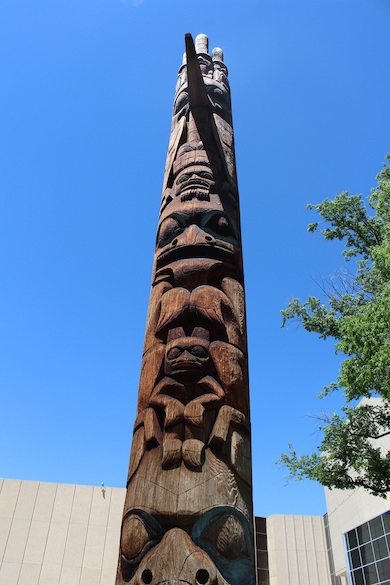
Totem poles function like family crests, coats of arms, or historical monuments. Each pole tells stories of ancestry, legends, important events, and cultural values. They may honour chiefs, mark territorial rights, commemorate potlatches (ceremonial feasts), serve as memorials, or even act as house posts. Totem poles are not religious idols or objects of worship. This is a common misconception, often spread by early outsiders who misunderstood the culture.
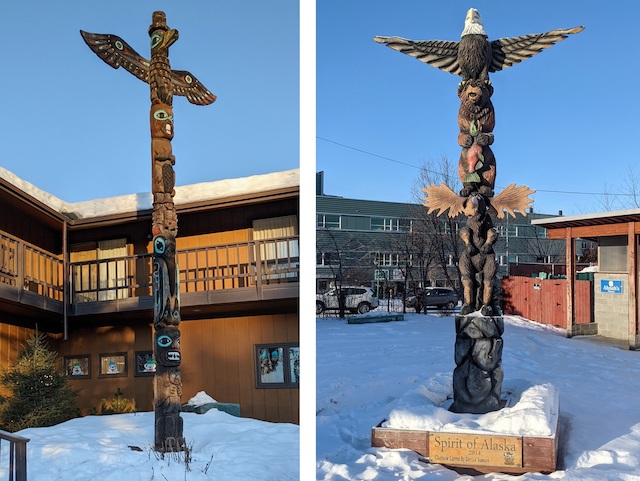
The carved figures—animals, supernatural beings, and humans—are bold and stylized. You’ll often see the clever Raven (bringer of light), the strong Eagle (symbol of vision and leadership), the powerful Bear (healing and strength), the loyal Wolf, the mighty Thunderbird (thunder and lightning), and the Killer Whale (ruler of the sea and family bonds). These symbols have exaggerated features like large beaks or claws, making them easy to spot from afar. Stories are usually “read” from the bottom of the pole to the top, drawing on the community’s oral traditions.
Origin and History
Totem pole carving has deep roots in the rich coastal forests of what is now British Columbia and Alaska. Oral traditions say the practice is ancient, beginning with smaller carvings and house posts long before the tall freestanding poles appeared. Early tools were made of stone, shell, bone, and beaver teeth.
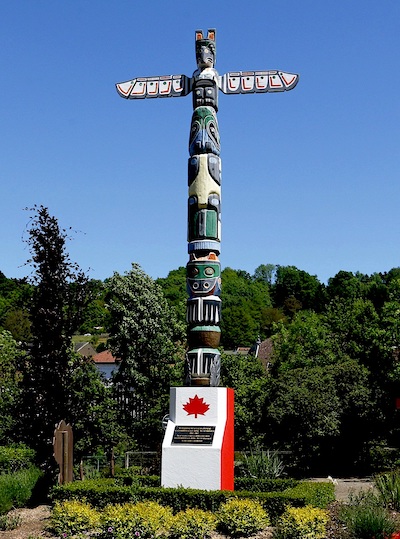
European contact in the late 18th century brought iron and steel tools, which sped up carving and allowed for bigger, more detailed poles. The 19th century became a golden age, fuelled by trade wealth and the potlatch tradition. However, colonial governments later banned potlatches and other cultural practices, leading to many poles being removed, destroyed, or left to decay. By the early 1900s, the art was in danger of disappearing.
Thankfully, a strong revival began in the mid-20th century. Today, Indigenous artists blend traditional methods with modern tools to create new poles that honour the past while addressing present-day issues. Hence, the spirit of the tradition lives on.
Cultural Significance
Totem poles are living expressions of identity, history, and connection to the land, ancestors, and nature. They record clan lineages, rights, legends, and achievements. They strengthen community bonds during raising ceremonies and pass knowledge to new generations.
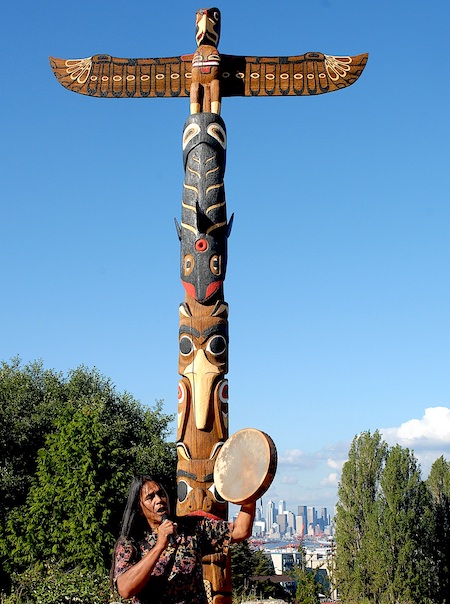
They serve many roles: family crests, storytelling monuments, memorials, markers of status and territory, and even “shame poles” to highlight wrongs. While they carry deep spiritual and cultural meaning, they are not worshipped. They reflect respect for the natural world and oral histories through art, ceremony, and celebration.
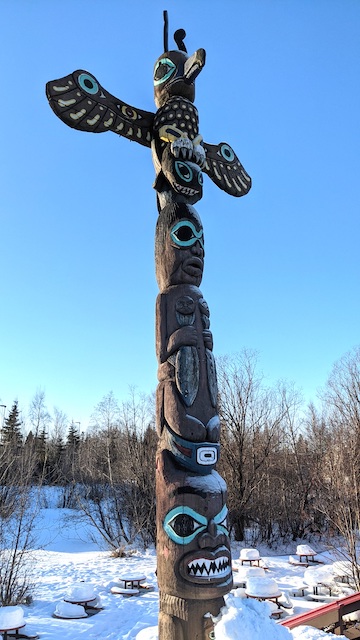
Where Totem Poles Are Installed
Traditionally, totem poles were erected in Indigenous villages along the Pacific Northwest Coast. They stood proudly in front of longhouses, at village entrances, near burial sites, or in community gathering spaces. Their placement was always deliberate and deeply meaningful, often connected directly to the family or clan that commissioned them.
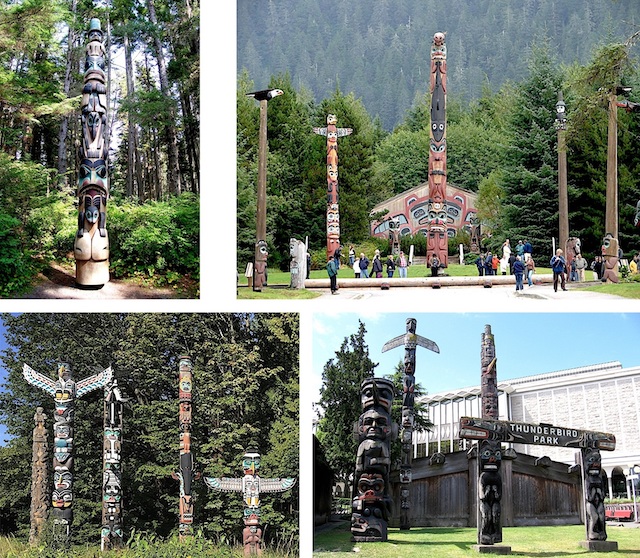
Today, totem poles can be found in two primary settings. In Indigenous communities, many new poles continue to be raised across villages in British Columbia and Alaska. This is especially true in Haida Gwaii, the heart of Haida culture, as well as in places like Saxman Totem Park and Sitka National Historical Park. These modern poles celebrate cultural revitalization and mark important contemporary events.
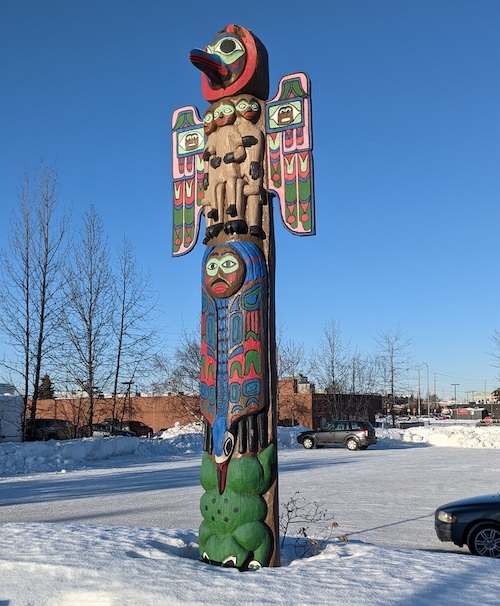
At the same time, totem poles appear in public spaces and museums, where they reach wide audiences. Notable collections include those at Brockton Point in Stanley Park, Vancouver—one of Canada’s most visited sites—as well as in Thunderbird Park in Victoria, the Museum of Anthropology in Vancouver, and various parks and museums throughout Alaska, such as those in Ketchikan, Juneau, Sitka, and Anchorage. Some original historic poles have been respectfully returned to their home communities for cultural reasons, often replaced by replicas in public locations.
Totem poles remain powerful symbols of resilience, pride, and the rich artistic heritage of the Northwest Coast Nations. Far from being relics of the past, they represent living traditions that continue to carry profound meaning for the peoples who create and care for them.
Materials, Craftsmanship, and Erection
Western Red Cedar remains the preferred wood because it is workable when fresh yet durable in the wet coastal climate. Carvers select trees with care and respect. In the past, they used simple tools; today they may use chainsaws for rough work but still follow traditional techniques.
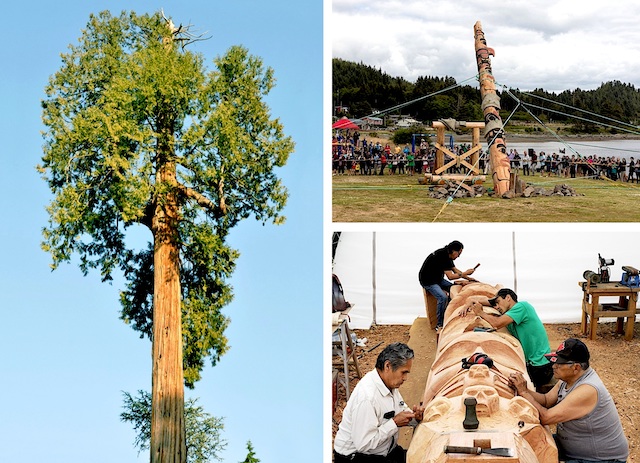
The process is communal and spiritual. The log is laid horizontally, designs are sketched in charcoal, and master carvers (often with apprentices) shape the figures in high relief. Natural pigments create vibrant reds, blacks, whites, and blue-greens. Carving a large pole can take months.
Raising the finished pole—sometimes weighing several tons—is a grand community event with songs, dances, and feasting. Ropes, levers, and teamwork lift it into place. Modern cranes may help, but the spirit of celebration remains the same.
Popularity and Global Reach
Totem poles continue to captivate audiences worldwide, drawing large numbers of tourists and cultural enthusiasts to the Pacific Northwest. Iconic locations such as Stanley Park in Vancouver, Ketchikan and Sitka in Alaska, and the remote yet culturally vibrant Haida Gwaii welcome thousands of visitors each year who come to marvel at both historic and contemporary carvings. This popularity has significantly boosted cultural tourism in the region, fostering greater appreciation for Indigenous artistry.
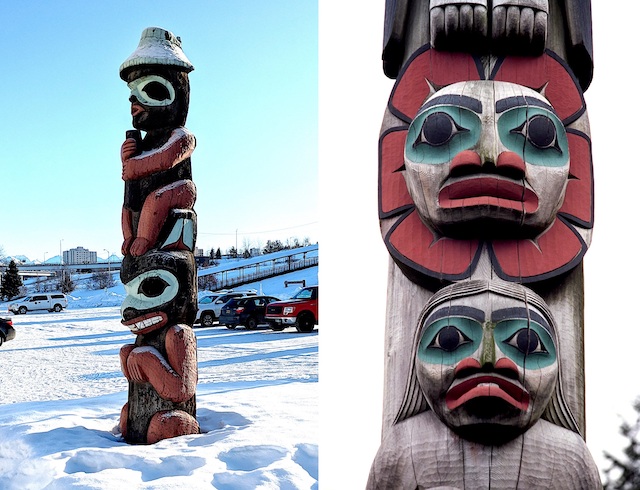
On the global stage, totem poles have transcended their origins to achieve international acclaim. They feature prominently in museum exhibitions across Europe, Asia, and beyond, while modern Indigenous artists creatively adapt traditional motifs in sculptures and installations that address contemporary social and environmental themes. However, this widespread interest is accompanied by a growing emphasis on cultural respect, proper attribution, and adherence to protocols to prevent appropriation and ensure the art remains authentically connected to its Indigenous roots.
In conclusion, totem pole carving represents one of the most enduring and dynamic expressions of Northwest Coast Indigenous culture. From their ancient origins to their vibrant presence today, these monumental sculptures embody resilience, storytelling, and deep connections to heritage and nature. As living cultural treasures, they continue to inspire new generations, bridge communities, and remind the world of the rich artistic legacy and strength of the Indigenous nations that create them.
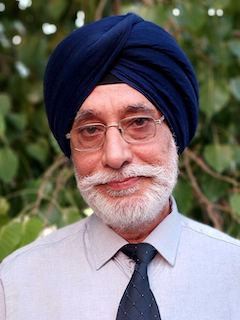
Sarbjit Bahga (b1957) is a Chandigarh-based architect, author, photo artist, and archivist. He is the Principal Architect of Bahga Design Studio LLP. Earlier, Bahga worked in the Department of Architecture, Punjab, Punjab Health Systems Corporation, and Punjab Mandi Board in various positions.
He has more than 42 years of practical experience designing various types of buildings, complexes, and large campuses. His completed works include an eclectic range of administrative, recreational, educational, medical, residential, commercial, and agricultural buildings. A monograph on his selected works titled “MODERN REGIONALISM: The Architecture of Sarbjit Bahga” has been published.
Bahga is also a keen researcher and a prolific architectural writer. He has 12 books to his credit, which include Modern Architecture in India, New Indian Homes, Le Corbusier, and Pierre Jeanneret: The Indian Architecture, Trees in Urban Habitat, Landscaping Human Habitat, New Indian Architecture -1947-2020, and Hand-Drawn Perspectives and Sketches. Bahga’s contribution to architecture has been largely recognized. He is a three-time recipient of the World Architecture Community Awards. His name has been featured in the Guinness Book of World Records for designing the “longest covered concrete corridor” in Vidya Sagar Institute of Mental Health, Amritsar.