
 While in Denmark in 1983; I happened to be on a Farm with the tilling machinery halted at the entrance. The couple behind, showed me the blackberries spread in the yard for processing wine. There was an inkling of transition. Denmark has a long ongoing support for converting conventional farming into organic farming.
During conversion years, as in Danish regulations, farms must not have used pesticides for several years before products can be assessed for qualification as organic. Denmark is, perhaps, the first country in the world to substitute organic farming. However, the organic farming concept in Denmark is often not limited to organic farming as the definition is global. Here, the majority of organic farming is “ecological farming”, instead.
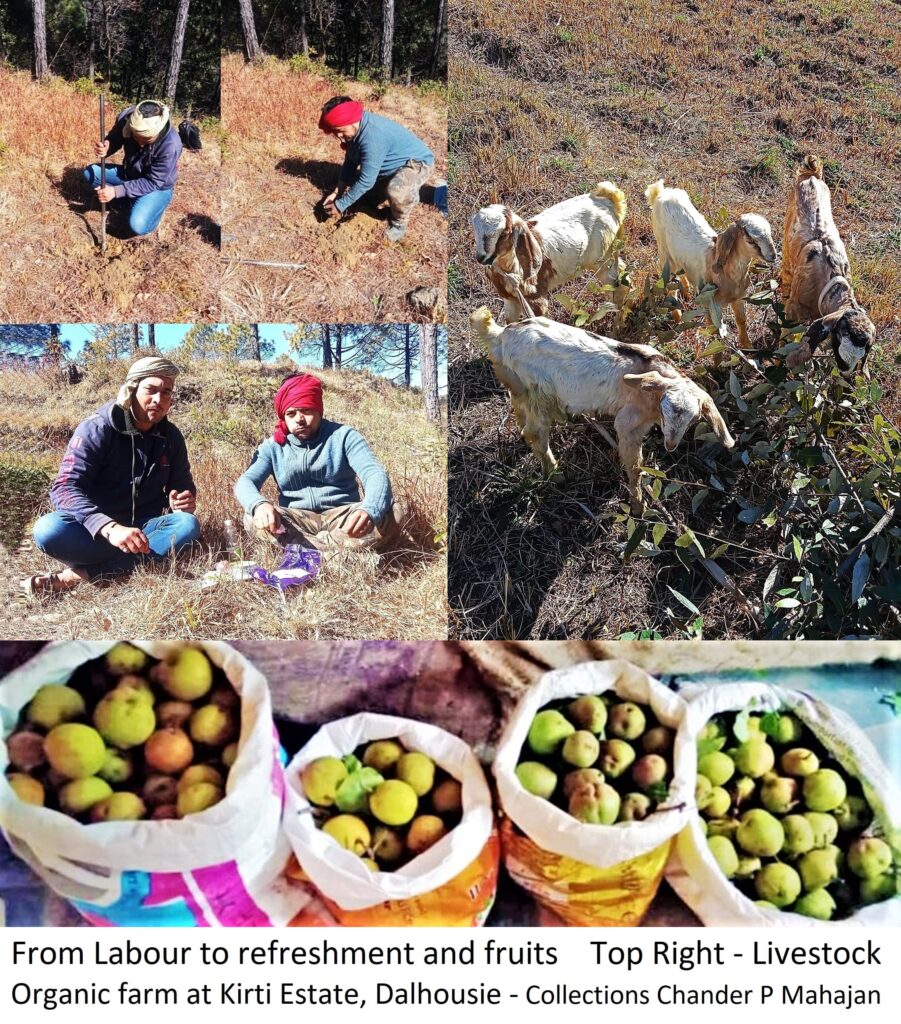
- Back home, in India, the organic farming of potatoes had been going on right from the beginning at ‘Kirti Estate’ farms.
May it be Organic farming- organic agriculture – ecological farming or biological farming, It is an agricultural system that emphasizes the use of naturally occurring, non-synthetic inputs such as biological fertilizers acquired from animal or plant waste.
Natural Pesticides such as garlic extract are permitted. Insecticides like Pyrethrum from Chrysanthemum flower and Neem tree extract are well accepted.
Agriculture has been practiced for thousands of years without the use of artificial chemicals. Some intervening different methods; besides lowering the overall soil fertility, have raised health concerns about toxic chemicals entering the food supply.
- In India, maybe, Sikkim became the first State in the world to become fully organic, whereas Madhya Pradesh is said to be the largest area under organic certification.
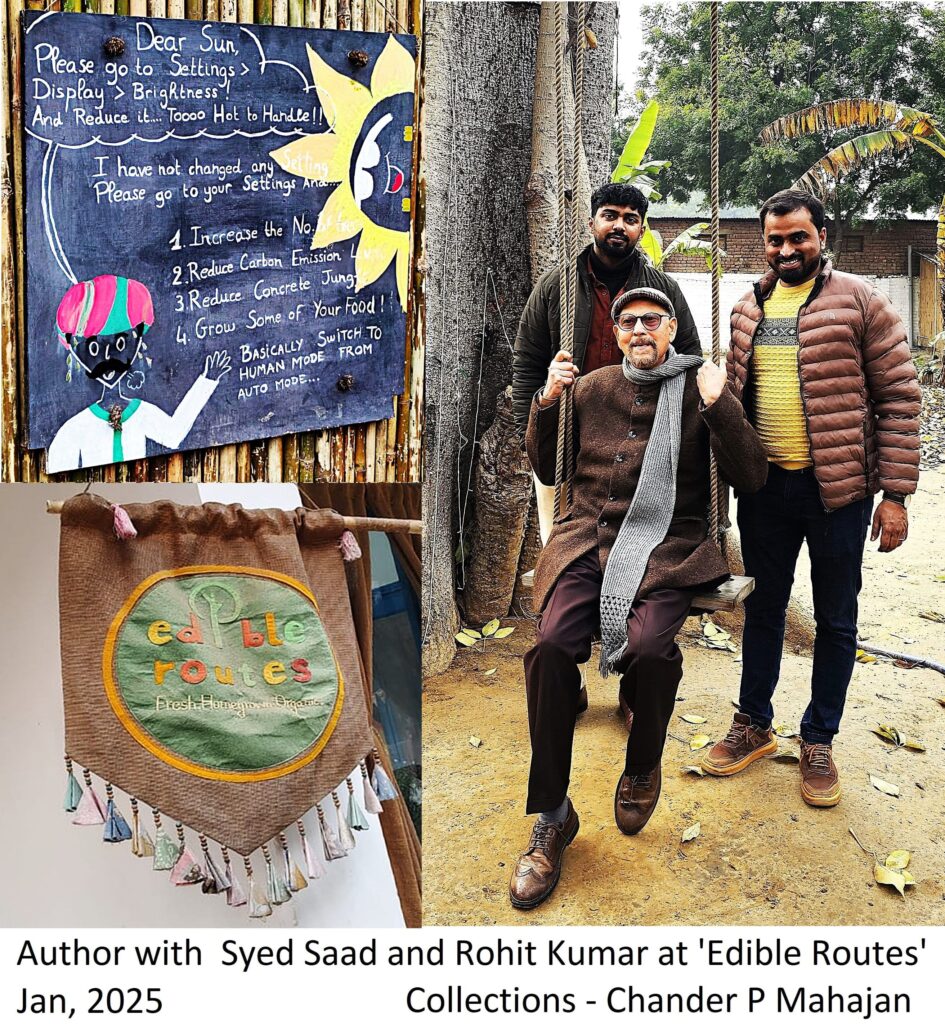
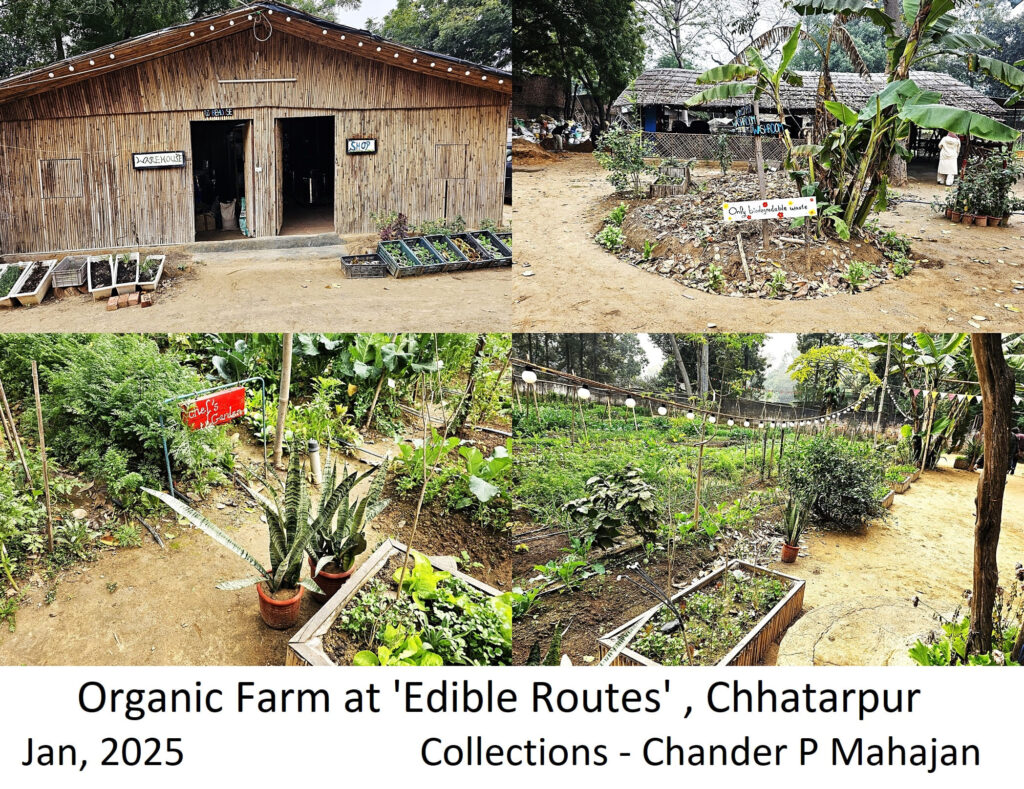
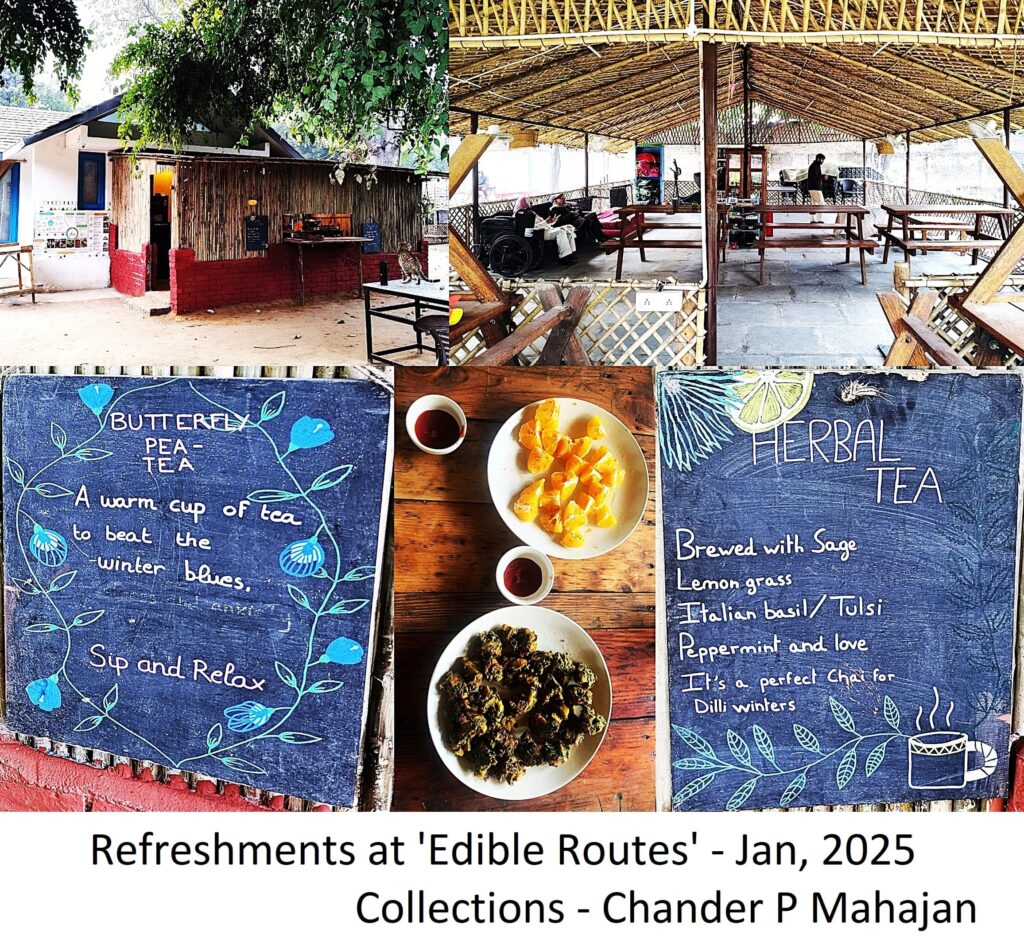
While in Delhi in January, this year; Sayed Saad and his artist friend Rahul Kumar invited me to ‘Edible Roots’- an organic farm in Chattarpur. Well laid out, it is impressive.
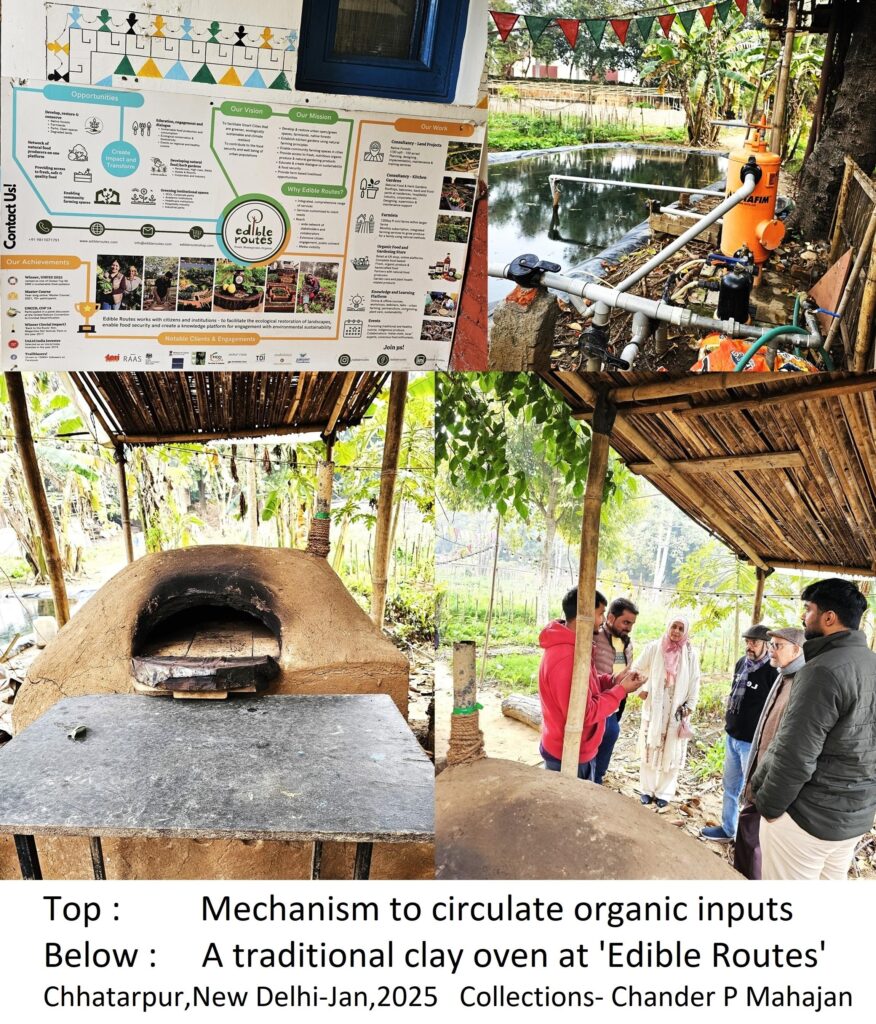
Educational Space is what they had been looking for to hold their ‘clay modeling’ workshop.
Though functional, yet devoid of ‘live stock’ and ‘Green Energy’. The place is, however, conducive to solar power.
- Surpassing the “pesticide era” of the mid-19th century demand for organic food is on the rise. The latest trends in Organic agriculture combine tradition, innovation, and science.
People feel that organic products are more nutritional, tasty, and good for health as compared to products with chemical inputs. More so, it is environmentally friendly.
On the other hand, organic products have flaws and a shorter shelf life than that of chemical products. Off-season crops are limited and have fewer options in organic farming.
- Agriculture in Himachal Pradesh is a way of life for the agrarian population. By and large, it is a traditional organic farming. However, to make it absolute.
Farmers are passing through a transitional phase. There is an element of uncertainty. They are hesitant, yet optimistic. The gestation period is long and comprises several factors and processes. People are looking for conversions of their holdings by ‘bits and patches’ to sustain their livelihood, simultaneously.
Birds, butterflies, soil microbes, beetles, earthworms, and spiders, make hay in organic farms. Soil-bound organisms often benefit because of increased bacteria in natural fertilizer. The system repairs improves and maintains the ecological balance.
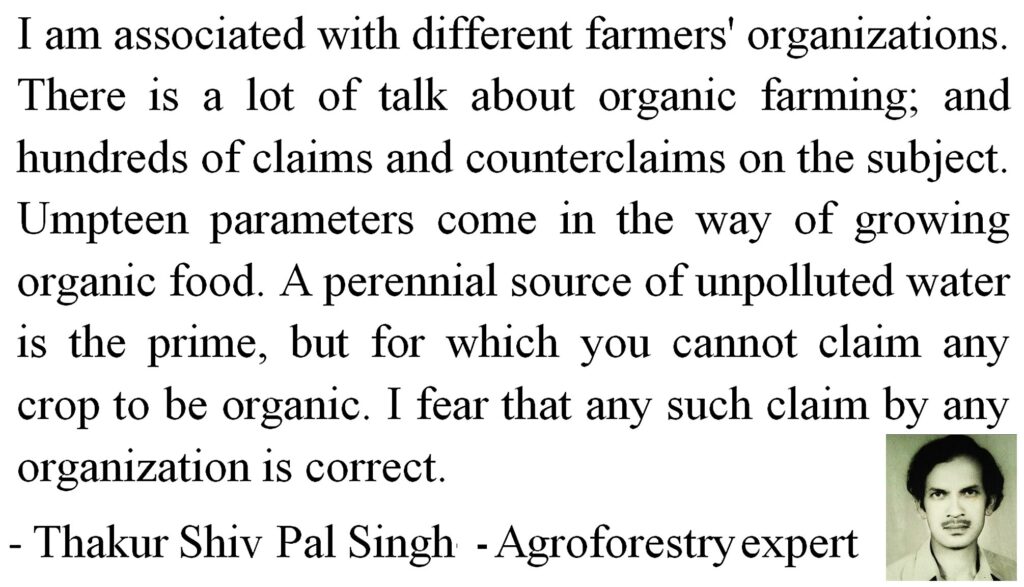
Farmers will again become seed savers. Thus protecting the heritage of hill agriculture for future generations.
Organic agriculture is being promoted in the state by organic farmers associations, NGOs and Government agencies. May it be for their self-consumption or the local and national benefits?
The government of Himachal Pradesh launched a new scheme “Prakritik Kheti Khushhal Kisan Yojana” for sustainable agriculture through non-chemical, low-cost, climate resilient and environment-friendly Natural Farming in the year 2018-19.
Natural Farming is a concept that discourages the use of chemical fertilizers and pesticides in Agriculture and promotes farm inputs made from desi cow’s urine and dung along with some locally resourced leaves.
Youth of the state become engaged in self-employment in the organic agribusiness. There is an opportunity to add value to ‘Home stays’ and ‘organic villages’ by broadening its scope as Organic Agriculture Tourism. There is a talk of even Tea Estate tourism.

Prof. (Er.) Chander P Mahajan is an art critic & a free lance journalist. The Environmentalist stays in Shimla and Dalhousie, Himachal Pradesh, India.