
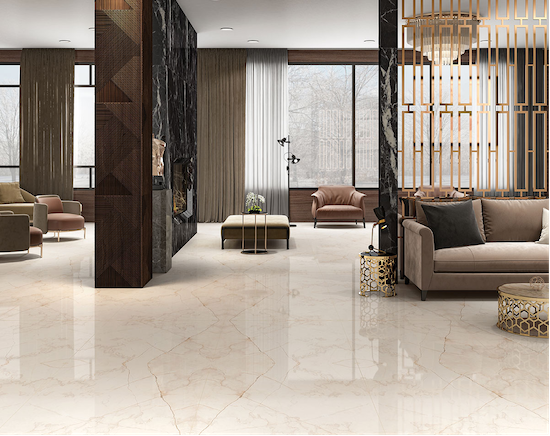
Choosing the right white elevation tiles for your home can feel trickier than it seems. White may look simple, but the wrong shade, finish, or texture can make your exterior appear dull or washed out. Many homeowners struggle to pick tiles that enhance their home’s look while remaining practical and durable. Understanding how to choose the right white tile design can help you create a façade that’s bright, welcoming, and stylish, making your home stand out for all the right reasons.
Why White Elevation Tiles Are Ideal?
White tiles never go out of style. They instantly make a home appear brighter, larger, and more elegant. Whether your house has a modern or traditional design, white tiles blend seamlessly with both. They reflect light well, keeping your exterior cooler during hot days and giving your home a soft glow throughout the year.
Another advantage of white tiles is their versatility. They complement a wide range of materials, such as wood, stone, or glass, and pair beautifully with almost any colour. This makes it easy to create a balanced, stylish look that suits your home perfectly.
Factors to Consider When Choosing White Elevation Tiles
Choosing the right white tile design goes beyond just looks. The right material, finish, and size can make a big difference in how your home’s exterior performs and ages over time. Here are a few key points to consider before making a decision.
1. Durability Comes First
An elevation must withstand heat, rain, and dust every single day. Opt for tiles crafted from strong materials, such as vitrified or porcelain, that resist cracks and stains. These tiles are designed to withstand outdoor conditions while maintaining their finish integrity. Premium white tile collections from brands like Simpolo Tile & Bathware not only offer durability and style but also help homeowners visualise their exterior design using their mobile devices, making it easy to plan and choose tiles at their convenience.
2. Finish Matters
Choosing the right finish can make a big difference in how your walls appear. A glossy finish adds a sheen and reflects light, making it ideal for contemporary-style homes. Matte finishes, on the other hand, reduce glare and give a sophisticated, subtle charm to classic designs. Textured finishes are perfect if you want to create depth and hide minor imperfections.
When selecting your elevation tile design, consider where the tiles will be placed. Sun-facing walls may benefit from matte finishes that reduce reflection, while shaded areas can achieve a brighter, polished look.
3. Tile Size and Shape
Tile size plays a crucial role in achieving visual balance. Larger tiles, such as those from the Calacatta Rose collection, create a seamless and expansive look, ideal for larger homes or open walls. Smaller tiles, however, bring detail and rhythm to compact areas. Mixing sizes, like pairing large white slabs with small patterned tiles, can add personality to your exterior design.
Before installation, always measure the elevation area correctly. Overly large tiles make smaller houses appear bulky, while tiny tiles on big walls can look overly busy.
4. Texture and Pattern
White doesn’t have to mean plain. The modern white tile design features subtle patterns, marble-like veining, or textured surfaces that enhance its aesthetic appeal. Look for patterns that match your home’s architectural tone. For instance, soft marble-inspired lines suit minimalist themes, while bolder patterns fit more eclectic facades.
For a sophisticated elevation, try mixing textures by using smooth tiles for the central facade and slightly grainy ones on the sides to create visual contrast.
5. Maintenance and Longevity
Elevation tiles face dust, rain, and pollution daily. Select tiles that are easy to clean and resistant to staining. Non-porous options are perfect for exteriors as they prevent water absorption and fading. A mild detergent and a soft cloth are often enough to keep them looking new.
Durable, non-porous white tiles from trusted brands like Simpolo Tiles & Bathware resist dust, stains, and water, making them low-maintenance while keeping your exterior looking pristine for years.
6. Colour Pairing and Lighting
White tiles work beautifully with natural light. However, it’s essential to complement them with the right accent shades. Pairing white with neutral tones, such as beige, grey, or sandy brown, adds depth and dimension. You can also use dark borders or trims to frame your elevation, highlighting the crisp beauty of the white tiles.
If your home receives plenty of sunlight, choose slightly off-white or cream-toned tiles to soften the glare. In shaded areas, pure white or glossy finishes can brighten the overall look.
Modern Styles for White Elevation Tiles
White elevation tiles offer a range of styles that can redefine your home’s exterior. Choosing the right style allows you to highlight key features and create a cohesive, visually appealing exterior.
1 Contemporary Minimalism
Smooth, large-format tiles with minimal grout lines can create a sleek and continuous facade. The simplicity of this look adds a sense of calm and sophistication. It’s ideal for urban homes aiming for modern appeal.
2 Rustic Harmony
Pairing white with earthy tones gives a natural and warm look. Use textured white tiles with subtle beige or terracotta hues for a homely exterior that feels balanced and welcoming.
3 Statement Patterns
If you prefer a standout look, use patterned white tiles strategically. Mosaic-style tiles or 3D textures can bring creative energy to your walls without overwhelming the space.
Conclusion
Choosing elevation tiles design for your home’s exterior isn’t just about looks; it’s about creating a space that feels calm, elegant, and timeless. Whether you prefer glossy, matte, or textured tiles, the right choice can significantly alter the way your home is perceived from the outside.

The opinions, beliefs and viewpoints expressed by authors, news service providers on this page do not necessarily reflect the opinions, beliefs and viewpoints of Hill Post. Any views or opinions are not intended to malign any religion, ethnic group, club, organization, company, or individual.
Hill Post makes no representations as to the accuracy or completeness of any information on this site page.