
Hill stations hold a special place in our collective imagination. For many, they are the perfect escape from sweltering summers—places where the air feels fresher, the pace of life slower, and the scenery endlessly enchanting. The rolling mists, the scent of pine, the sight of distant snow peaks, and the music of mountain streams can soothe even the most restless heart. But while these landscapes offer serenity, they are also living, shifting, and at times unpredictable. These hills, with their misty mornings, winding roads, and breathtaking views, are magnets for travelers seeking respite from the bustle of the plains. However, beneath their serene charm lies a geological reality: these are fragile ecosystems, and in recent years, landslides have emerged as one of their most frequent and devastating hazards.
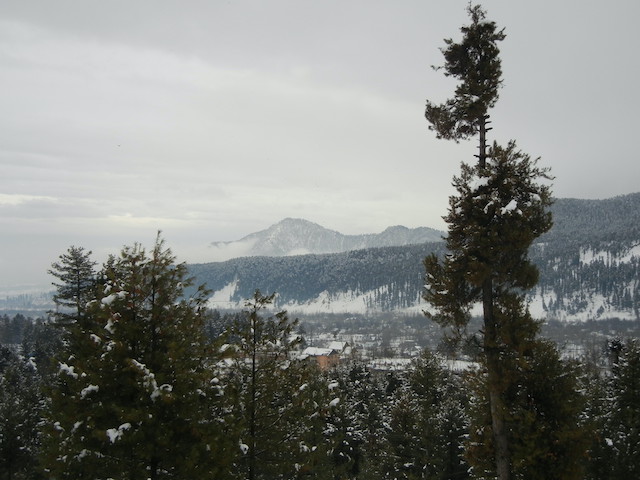
A hill station is never static. Slopes evolve under the forces of wind, rain, and seismic activity. Vegetation changes with the seasons and with human intervention. Roads that seem stable in summer may be vulnerable after the monsoon. The very forces that create these landscapes—water cutting through rock, earth shifting beneath the roots of old trees—also make them fragile. Landslides, cloudbursts, and road washouts are not rare accidents; they are part of the mountain’s natural rhythm. A landslide is the downward movement of rock, soil, or debris under the influence of gravity. In hill stations, this is often triggered by a combination of factors—intense rainfall, deforestation, poorly planned construction, road cutting, and sometimes seismic activity. The steep slopes, loose soil layers, and fragile rock formations make these areas particularly vulnerable. Hill stations are so vulnerable because of unstable slopes and continuous erosion from rainfall and human activity loosens the earth; deforestation as trees hold soil together, their removal weakens slope stability; unplanned construction leading to heavy buildings and roads cut into slopes without proper drainage create pressure points for landslides and intense rainfall resulting in short bursts of heavy rain saturate the soil, making it prone to sudden collapse. Climate change has further increased the frequency of extreme weather events. According to studies, regions like Jammu & Kashmir, Himachal Pradesh, Uttarakhand, and parts of the North-East have seen a significant rise in landslide incidents over the last decade. What was once a seasonal concern during the monsoon now poses a year-round risk, particularly in areas with rapid urbanisation and unregulated tourism infrastructure.
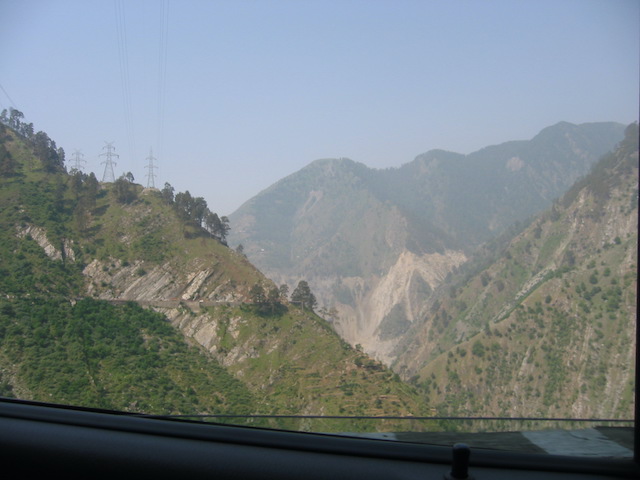
This dynamism is not a reason to fear the hills, but it is a reason to respect them. Respect begins with acknowledging ecological limits. Every new construction project, every widened road, and every overburdened footpath alters the delicate balance between vegetation, soil, and water. Locals, who live year-round with these realities, often have an instinctive awareness of danger zones and seasonal risks. They face landslide risk more directly than seasonal tourists. Some measures include monitoring early warning signs like racks in walls, tilting trees or poles, and unusual sounds from slopes can indicate movement, strengthening slope stability by planting deep-rooted vegetation, building retaining walls, and maintaining proper drainage systems, staying updated with local disaster management advisories, weather bulletins, and community alerts must be taken seriously and avoiding hazard zones by refraining from building or expanding homes near steep slopes or areas with past landslide activity. Visitors, on the other hand, may be caught off guard, lulled by the postcard-perfect view into thinking the mountains are fixed and unchanging. Mindful tourism offers a way forward. It asks travelers to tread lightly—not just in terms of litter or noise, but in terms of planning, timing, and awareness. Avoiding overdeveloped slopes, choosing eco-sensitive accommodations, and respecting restricted zones are small steps that have large consequences. Preparedness, too, is part of this equation: checking weather reports, carrying essentials in case of road delays, and being alert to signs of slope instability. Caution, contrary to popular belief, does not dull the joy of travel—it deepens it. When we walk a forest trail knowing which plants are rare and which birds are seasonal visitors, our wonder grows. When we pause to admire a valley view, aware of the geological processes that carved it, our appreciation becomes richer. The mist, the pine-scented air, and the vast panoramas gain new meaning when seen through a lens of respect and understanding.
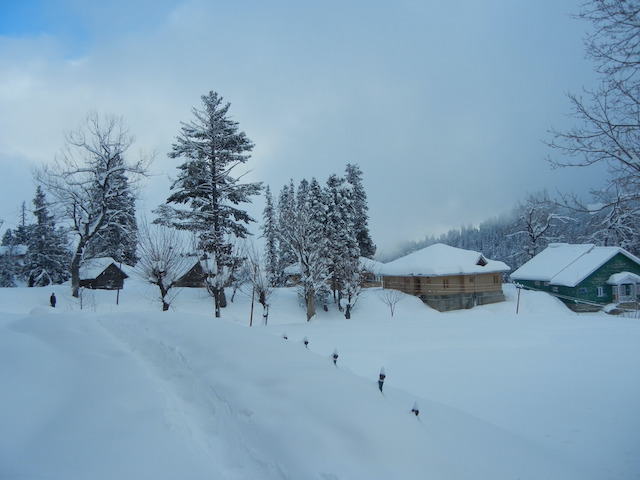
Hill stations are living landscapes—beautiful, but also dynamic and sometimes dangerous. By respecting their ecological limits, both locals and visitors can coexist with the natural environment more safely. Caution need not diminish the joy of travel; rather, it enhances it, allowing people to enjoy the mist, the pine-scented air, and the sweeping views with a deeper awareness and appreciation. Landslides may be a part of mountain life, but preparedness and mindful tourism can ensure they are not a part of tragedy. Preventing landslides entirely may not be possible, but their impact can be reduced through strict building regulations i.e. ensuring only scientifically approved construction in vulnerable areas, preventing water from seeping into soil layers unchecked, restoring natural slope stability through vegetation and installing sensors, sirens, and public alert systems in hazard zones. Landslides will always be part of mountain life. But they need not be part of tragedy. With preparedness, education, and the willingness to let the mountains set the pace, we can ensure that our encounters with them remain moments of beauty, not sorrow. In this balance—between awe and caution, leisure and responsibility—lies the true art of living with the hills.

Rachna Vinod is a multilingual poet, writer, blogger and broadcaster, proficient in Hindi, Urdu, English, and Dogri. Her works have been broadcast through multiple media platforms, including All India Radio. In addition to her books, her articles and creative pieces are regularly published in both print and online literary magazines. She has made significant contributions to literature with over 20 individual publications and participation in more than 25 collaborative anthologies.
A Few Published Works:
Urdu: Yasmeen-e-Sughandh, Mere Humsafar
English: Eternal Heritage, Shahada Aisha, I Am Here Only, Bridging The Gap, Lotus Lore, Kashmir Konnectivity: A Biosketch
Hindi: Ankahi Sargam, Pighalte Himkhand (poetry collection), Madhyaratrik Kshan, Parvaton Ke Dayare (short story collection)
Dogri: Adaya Madaya Geeten Bharya, Hirkhi Phuhar, Aakhi Lai Dile Di Gall