
The Paradise That Was
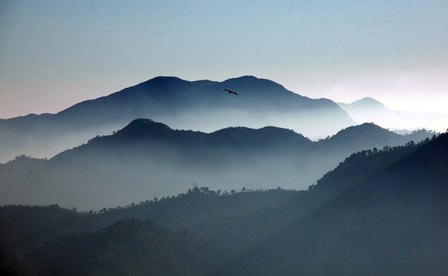
As a senior citizen in my mid-sixties, I have witnessed the transformation of Himachal Pradesh from a pristine Himalayan paradise into a landscape scarred by unchecked development. The state I knew in my youth was a tapestry of lush forests teeming with life- monkeys, wild boars, hares, leopards, and langurs called these woodlands home, while a symphony of bird song filled the air.
The roads and highways were natural corridors, flanked by verdant canopies that embodied the very essence of Himachal’s environmental heritage. My village was embraced by magnificent mango trees, mulberry (shahtoot), sacred fig (pipal), mountain ebony (kachnar), and jamun trees that stood like sentinels across agricultural fields and kharaitars.
Childhood memories are painted with scenes of accompanying my grandmother on expeditions to find monkeys for our religious rituals. We would call out “lae mano chhole” – our voices echoing through the forests as we sought these creatures to offer them gram (chana). It was a time when wild animals had their rightful place in the jungle, safely separated from human settlements.
Natural disasters were rare occurrences. Floods and cloudbursts were virtually unknown, save for occasional surges in the mountain streams (khuds) that would quickly subside. The boundary between civilization and wilderness was clearly defined and respected.
The Concrete Invasion and Nature’s Fury
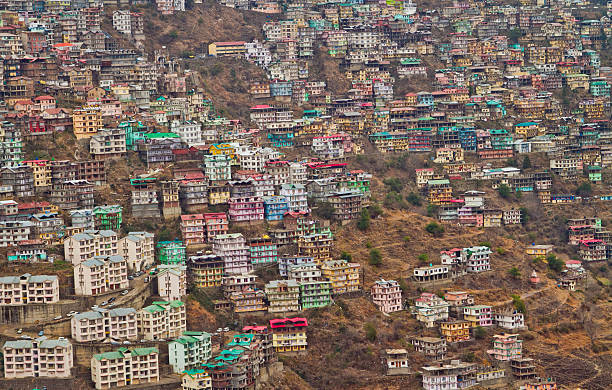
Today, that delicate balance has been shattered. Over the past four decades, I have watched helplessly as human settlements have encroached upon jungles, stream beds, and riverbanks. Monkey’s now roam freely through villages- not as revered guests but as agricultural pests. The majestic trees that once graced our villages have vanished, replaced by concrete structures that stand as monuments to misguided progress.
Cities across Himachal Pradesh are transforming into concrete jungles, aided by administrative apathy and short-sighted planning. Agricultural activity has declined precipitously, discouraged by the monkey menace, poor economic returns, and the exodus of youth seeking opportunities beyond the state’s borders.
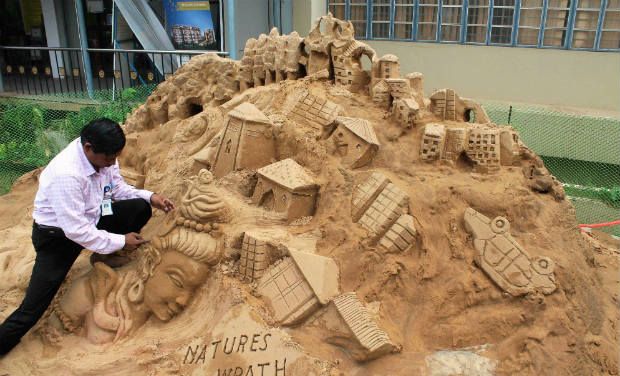
This environmental degradation has not gone unnoticed by nature. For three consecutive years, Himachal Pradesh has faced the fury of floods and cloudbursts during monsoons. These are not mere weather events but nature’s violent response to human excess. Disproportionately heavy water volumes, torrential currents, characterize the devastation and debris-laden floods carrying stones, boulders, muck, tree trunks, and landslide masses. Roads, highways, homes, villages, culverts, and bridges are swept away with terrifying ease. The menace of shooting stones on highways has become a deadly reality.
While climate change plays a role, the primary culprit is the massive human-induced imbalance between environmental preservation and development needs. We have pushed nature beyond its breaking point, and now we face the consequences.
The Anatomy of Environmental Destruction
The causes of this environmental catastrophe are manifold and interconnected. The four-laning of national highways has involved cutting through ecologically fragile slopes and hills with surgical precision but environmental blindness. These vertical cuts destabilize entire hillsides, creating potential disaster zones. Massive hydroelectric projects have been established with minimal regard for environmental impact. While these projects promise energy security, they often compromise the very ecosystems they depend upon.
Widespread tree felling for development projects has stripped hillsides of their natural protection against erosion and landslides. Indiscriminate construction in river and streambeds has blocked natural water flow patterns, creating artificial dams that inevitably fail during heavy rains. Poor garbage disposal practices have contaminated waterways and soil, further degrading the environment. Meanwhile, illegal and unregulated mining has lowered water tables, causing summer water scarcity while simultaneously destabilizing terrain.
Himachal Pradesh’s tourism industry, while economically vital, has become part of the problem. Tourists come to experience the state’s natural beauty- its scenic hills and pristine landscapes – not to witness the four-lane highways they encounter daily in the plains. What the state needs is not grandiose infrastructure projects but thoughtful widening of existing roads that preserve the natural character that draws visitors in the first place. The current approach of imposing plain-land solutions on mountain terrain is both environmentally destructive and economically counterproductive.
The indiscriminate cutting of hills, deforestation, diversion of streams, and shrinking of green belts in urban and semi-urban areas have created a cascade of environmental problems. These activities loosen hill strata, destabilize entire ecosystems, and create conditions ripe for disaster. When monsoons arrive, the compromised hill systems collapse under the pressure of seasonal rains. The result is human misery, death, and devastation on an unprecedented scale.
There is an old saying in the hills: “In the land of Lama, do not try to be Gama.” While traditionally meant to caution travellers about the dangers of high-altitude terrain, this wisdom now applies to bureaucrats and politicians who approach mountain development with plains-land arrogance. The state’s decision-makers must abandon their “Gama” attitude and embrace scientific temperament in development planning. Hills demand respect, not conquest. Those who fiddle with hill ecosystems do so at their own peril- and more tragically, at the peril of innocent citizens.
Building a Sustainable Future
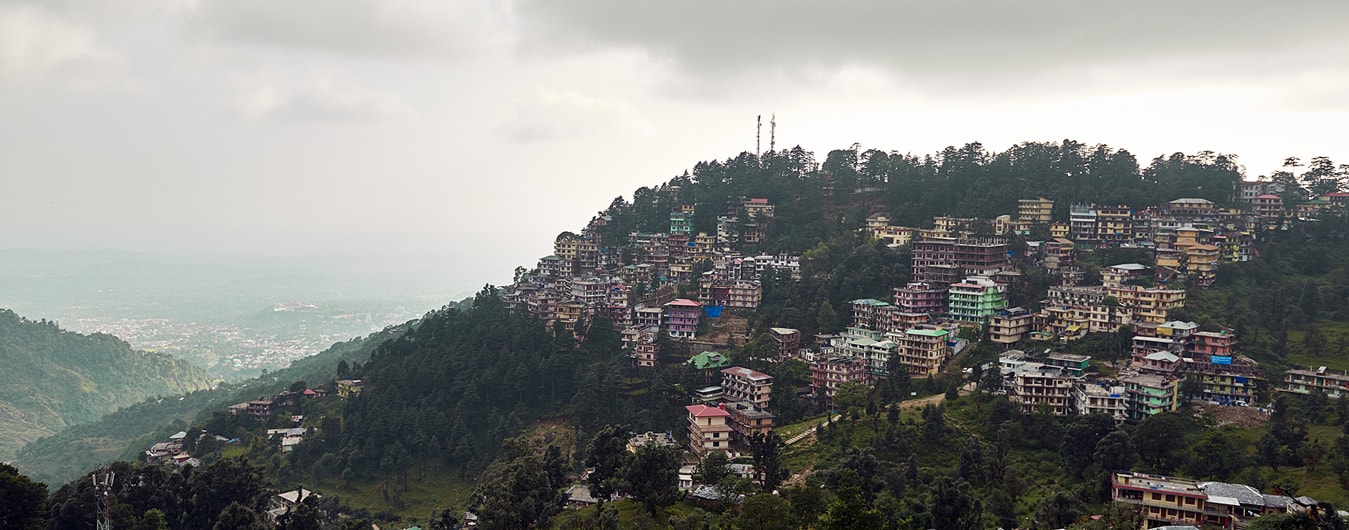
Meaningful change requires unprecedented cooperation between government, opposition, bureaucracy, and citizens. We must develop a scientific approach to development that respects the fragile nature of hill ecosystems. The state must identify high-risk zones prone to disasters and strictly regulate construction activities in these areas, implement comprehensive post-disaster assessments to understand and prevent future damage, and establish mandatory environmental impact assessments for all development projects.
Environmental protection must begin in schools. Children need to understand not just the theory of environmental conservation but its practical applications. Schools should establish environment clubs, conduct tree-planting drives, and teach students to become environmental stewards. This educational foundation must extend through colleges and into communities, creating a generation of environmentally conscious citizens who will demand better from their leaders.
The state needs to create environment protection committees at every level- from schools to government departments. These committees should ensure that two-thirds of their members are independent experts with binding authority over environmental decisions. All government departments, including public works, irrigation, public health, and electricity boards must have environmental oversight committees. Additionally, the state must implement slope stabilization measures for all hill-cutting projects and develop scientific protocols for muck disposal from excavation projects.
The monsoons are a regular feature of Himachal’s climate- they cannot be regulated or controlled. However, how our hills respond to the seasonal rains can be managed through balanced development that considers the fragile nature of mountain ecosystems. The choice before us is stark: we can continue on the current path of environmental destruction and face escalating human misery, death, and devastation with each monsoon season, or we can embrace a sustainable approach that balances development needs with environmental preservation.
Policy planners in Himachal Pradesh must wake up to environmental realities before it is too late. The state stands at a crossroads-it can choose to be a model of sustainable mountain development or continue down the path of environmental destruction. The signs are clear, the warnings have been issued, and nature’s patience is exhausted. Unless we act now with wisdom and determination, the degree of human suffering will only increase with each passing monsoon season. The hills are calling for sanity. The question is: are we listening?

Rattan Chand Sharma retired from the Border Security Force as a Commandant. A regular contributor to publications like Outlook, Deccan Herald, India Sentinels, Force Magazine, Chanakya Forum, Saveratimes, Seema Sanghosh, he writes mainly about defence and security personnel issues.

A beautifully written article addressing the regular environmental and climatical issues that is on rise for the last few years. Being a regular visitor to Manali since 1985, I have the changes that has come up in 40 years. To reach Manali one had to take a bus from Delhi to Kullu and again another one from Kullu to Manali. the number o busses plied were also vey less. In 1985 Manali had only one taxi or the tourists to visit the surroundings. After the out break of militancy in Kashmir the tourist started flowing into various parts Himachal. To support tourism the development became inevitable. The planners and the people never ever paid heed to the advice given by environmentalists rom time to time. Unethical construction of roads ,buildings and other infrastructure colossal damage to the environment. Above all how can a city with a population of 75 to 80 lakhs ( approx.) bear the burden of 1.8 crore ( approx.) tourists annually. There are countries with same geographical conditions have managed to minimise such environmental disasters. The article is a wake up call for the planners and the administrators to save the mountains.