
Kullu: The Bilaspur-Manali-Leh railway line, a 489-km strategic project aimed at enhancing connectivity in Northern India, particularly for defense purposes, has sparked significant concerns regarding national security and local socio-economic impacts.
National Security Concerns
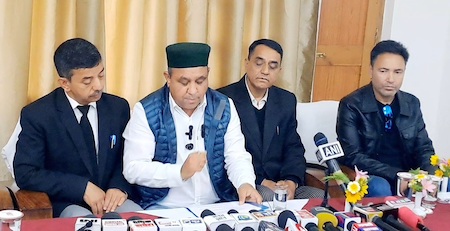
The involvement of a Turkish firm, Yüksel Proje, in conducting the survey for this strategically vital railway line has raised alarms among local stakeholders and media. Vedram Thakur, President of the Former Pradhan Sangh Kullu, highlighted during a press conference in Kullu that Turkey’s geopolitical stance, particularly its support for Pakistan during past India-Pakistan conflicts and its controversial statements on Kashmir, makes the participation of a Turkish company in such a sensitive project a potential threat to national security.
- Security Risks: The survey involves detailed mapping of the terrain, including potential tunnel and bridge locations along the route, which passes through sensitive border areas near the India-China border. Sharing such critical data with a foreign entity from a country perceived as aligned with India’s adversaries could compromise defense logistics. Thakur and others argue that this information could be misused, posing a long-term risk to India’s security infrastructure.
- Local Sentiment: The Kullu hoteliers’ association and other regional representatives, including farmers and orchardists, have demanded the immediate cancellation of Yüksel Proje’s involvement, calling for an independent survey by Indian agencies to ensure transparency and safeguard national interests.
- Context of Turkey’s Relations: Recent actions, such as the revocation of security clearance for another Turkish firm, Çelebi Ground Handling India, at Indian airports due to national security concerns tied to Turkey’s support for Pakistan, further fuel apprehensions about Turkish involvement in critical infrastructure projects.
- Demand for Re-Survey: Thakur and local stakeholders have urged the central government to reconsider the survey and involve an allied nation or Indian agencies to mitigate risks, emphasizing that national security should not be compromised for infrastructure developmentt.
Socio-Economic and Environmental Concerns
Beyond security, the railway project has raised significant concerns about its impact on the local economy, environment, and livelihoods in the Kullu-Manali region, a globally recognized tourism hub.
- Impact on Tourism: Kullu-Manali’s tourism industry, a major economic driver, faces risks from construction activities such as tunnel excavations, heavy machinery operations, and increased vibrations. These could diminish the region’s natural beauty, potentially deterring tourists and affecting the livelihoods of thousands dependent on tourism.
- Agricultural and Horticultural Losses: The project threatens to disrupt agriculture and horticulture, particularly apple orchards, which are a primary income source for many in the region. Thakur estimates that approximately one lakh apple trees could be destroyed, and thousands of farmers and gardeners may lose their agricultural land due to the railway’s construction through the narrow Kullu valley.
- Environmental Concerns: The ecological fragility of the Himalayan region makes large-scale construction projects like this particularly disruptive. Thakur emphasized the need for environmental equilibrium, warning that unchecked development could harm the region’s biodiversity and natural heritage.
- Local Livelihoods: The narrow geography of the Kullu valley amplifies the potential socio-economic fallout, as land acquisition for the railway could displace farmers and affect the sustainability of local communities.
Local Demands and Recommendation
While Thakur and local representatives support the strategic importance of the railway line for enhancing connectivity to Ladakh and strengthening border infrastructure, they advocate for a balanced approach that prioritizes both national security and local interests. Key demands include:
- Reconducting the Survey: The survey should be undertaken by Indian agencies or firms from allied nations to eliminate security risks associated with foreign involvement.
- Local Involvement: Engaging local administration, panchayat representatives, and stakeholders in the planning and execution phases to ensure transparency and address community concerns.
- Environmental Safeguards: Implementing measures to minimize ecological damage and preserve the region’s tourism appeal, such as careful route planning and mitigation strategies for construction impacts.
- Compensation and Support: Ensuring fair compensation for farmers and orchardists whose lands are acquired, alongside initiatives to support alternative livelihoods if agricultural land is lost.
Project Background
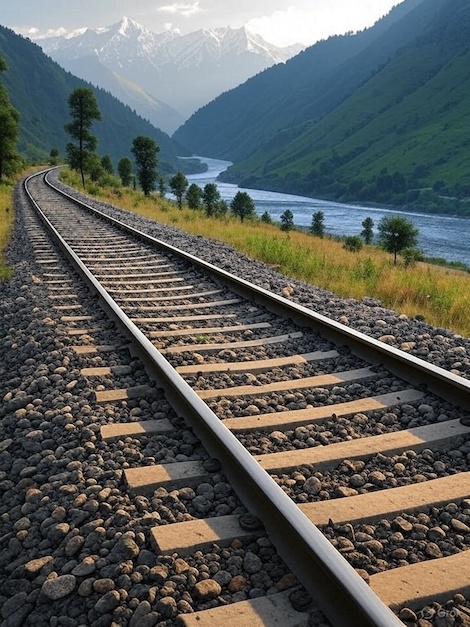
The Bilaspur-Manali-Leh railway line, estimated to cost Rs 1.31 lakh crore, is a flagship project of the Indian government, identified as a strategic line by the Ministry of Defence. Spanning 489 km, it will connect Bilaspur in Himachal Pradesh to Leh in Ladakh via key towns like Mandi, Manali, Keylong, and Darcha. The Detailed Project Report (DPR) has been finalized, and the project is expected to be constructed in four phases, with the first phase (Bhanupalli to Bilaspur) targeted for completion by 2027. The railway aims to reduce travel time from Delhi to Leh from four days to two, enhance tourism, and facilitate year-round troop and supply movement to the India-China border, addressing the isolation caused by the closure of the Srinagar-Leh National Highway for six months annually.
Critical Analysis
-
Security vs. Development: While the project’s strategic importance is undeniable, the decision to involve a Turkish firm appears inconsistent with India’s broader geopolitical stance, especially given recent actions against Turkish entities in other sectors. The government must weigh the benefits of foreign expertise against potential security risks, particularly in a region as sensitive as Ladakh.
-
Local Impact vs. National Interest: The concerns raised by Thakur and others highlight a broader challenge in balancing national infrastructure goals with local socio-economic and environmental priorities. The narrow Kullu valley’s unique geography amplifies these concerns, necessitating careful planning to avoid long-term harm to the region’s economy and ecology.
-
Transparency and Trust: The involvement of a foreign firm without adequate consultation with local stakeholders has fueled mistrust. Greater transparency in the selection process and active engagement with local communities could mitigate opposition and ensure smoother project implementation.
Conclusion
The Bilaspur-Manali-Leh railway line holds immense potential to transform connectivity and bolster India’s strategic capabilities in Ladakh. However, the concerns raised by Vedram Thakur and the Kullu community regarding national security, due to the involvement of a Turkish firm, and the potential socio-economic and environmental impacts are significant and warrant serious consideration. The central government should address these issues by reevaluating the survey process, involving Indian or allied agencies, and ensuring robust stakeholder engagement to balance development with local and national interests. This approach will help maintain public trust and ensure the project’s long-term success without compromising security or livelihoods.

A theater artist, a script writer and a TV anchor, news is something that grips Renuka. She lives in Kullu.