
Mist gathers at dawn over the Himalayan slopes, curling around cedar trunks and drifting past the low roofs of stone houses. The air is crisp enough to sting the lungs, yet laced with the fragrance of woodsmoke rising from kitchen hearths. Somewhere in the terraced fields below, the faint clang of a cowbell drifts upward, and a woman in a woolen shawl bends over a row of green shoots, checking the soil with hands that have measured seasons far longer than any calendar. Life in these mountains begins early, shaped not by clocks but by the tilt of the sun and the language of the wind.
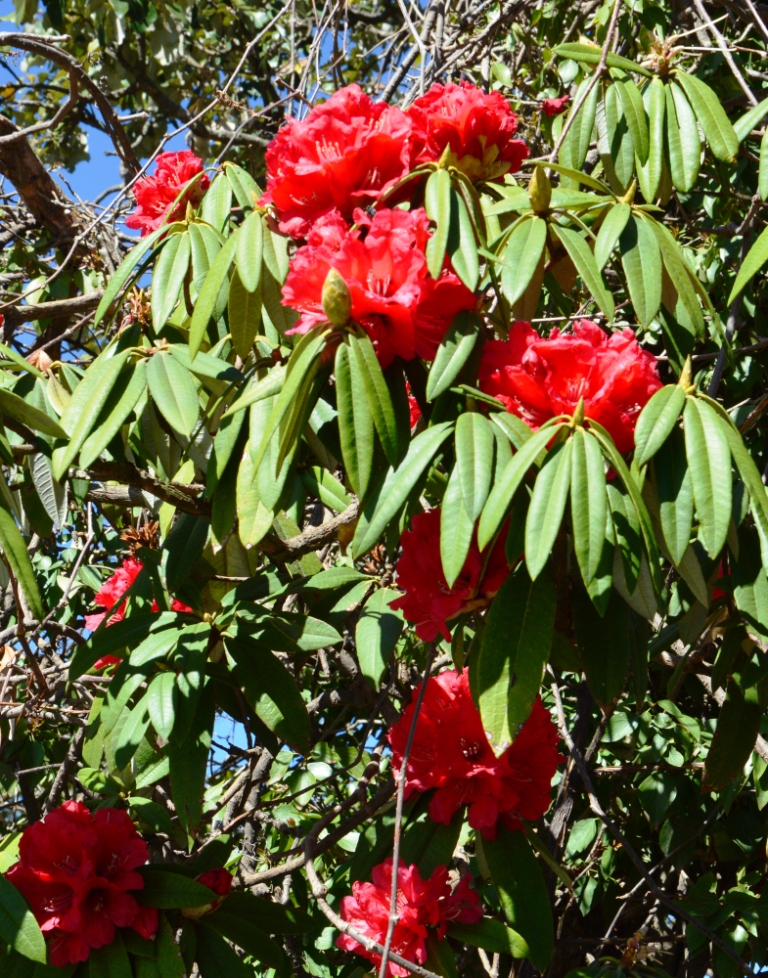
The villages here, small clusters of homes clinging to the slopes, are as much a part of the land as the rhododendrons that burst into bloom each spring. Their walls are built of stone pulled from the earth; their roofs of slate or wooden shingles split by hand. In winter, the roofs bear the weight of snow like a long, silent patience. In summer, they shelter the stored grain and the hopes of a harvest. Settlements are often placed on sun-facing slopes, a choice learned over centuries, where the winter sun lingers longest and water from glacial streams is within reach. The terraces that ring these villages are human-made contours, green ribbons carved into mountainsides to hold soil and coax grain from the steep land. From a distance, they resemble steps leading up to the clouds.
The people here live by the soil and the rhythm it dictates. In the lower valleys, fields shimmer with paddy during the monsoon, while in the mid-altitudes, maize stands tall, and apple orchards flush with pink blossoms in spring. Sheep and goats graze on slopes where cultivation is impossible, and in the still higher meadows, yaks move like slow shadows against the bright alpine grass. For generations, herders have practiced a seasonal migration, leading their flocks to high pastures in summer and down to sheltered valleys in winter—a cycle as old as the trails themselves.
Daily life here is not hurried, but it is never idle. Women, who carry the heaviest share of responsibility, move between house and field, their woven baskets slung across their backs with a strap across the forehead. They plant and weed the fields, tend the livestock, and still return to cook the evening meal. Men often leave for work in towns or cities, returning in bursts of festival and harvest, while the women hold the village together, their knowledge of seeds, soil, and seasons quietly sustaining life. Children, with satchels too large for their small shoulders, walk long distances to school, their laughter and shouting echoing along the ridges. In winter, snow sometimes closes the paths, and studies are paused for days or weeks, replaced by the soft work of helping at home—chopping wood, kneading dough, tending animals.
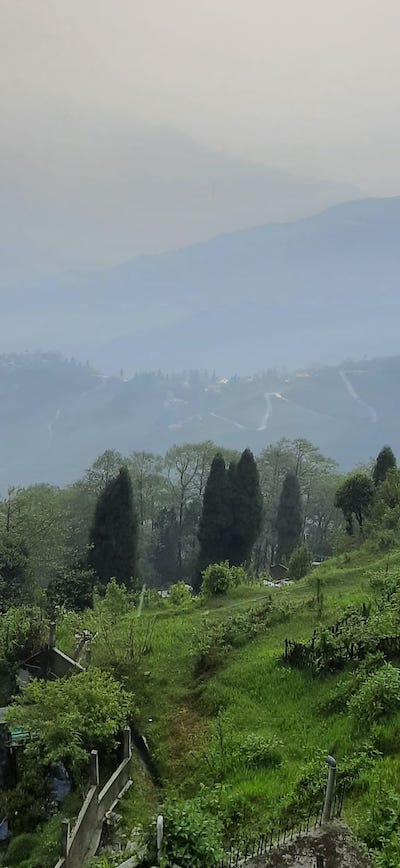
Community here is a living force, stitched together by countless acts of mutual help. A wedding becomes the whole village’s celebration; a landslide that cuts the road sees every able-bodied person at work clearing debris. This cooperation is necessity—survival in the mountains is always a shared task. Festivals, too, bind people together. They arrive with the seasons: the bright colours of spring during Phool Dei in Uttarakhand, the masked dances of Losar in the high Buddhist settlements, the autumn fairs that follow the harvest in Himachal’s valleys. Songs are sung in the old dialects, their verses carrying stories of migration, of gods who walked these ridges, of lovers separated by snowbound passes. The music is simple, but it travels far, rolling down valleys with the same persistence as the rivers.
In recent years, change has moved up the slopes almost as quickly as the rivers run down them. Roads now snake into valleys that were once days away on foot. Mobile towers stand above the deodar trees, and the blue glow of screens has begun to mix with the orange of firelight in homes. Tourism brings income, but also strains the fragile balance of water, waste, and forest cover. Young people leave for the cities, chasing education and work, and many do not return. In some villages, wooden houses stand locked, their walls leaning slowly toward the ground, windows staring blankly into the valley. These abandoned homes tell of a quiet, unplanned migration.
The mountains, too, are changing in ways more subtle and more dangerous. Glaciers retreat higher each year; springs that once ran steadily through summer now dry up by early autumn. Rains arrive late or in sudden bursts, flooding fields or causing landslides that bury roads and fields alike. The old rhythms of planting and harvesting are harder to predict. Elders speak of snows that used to lie deep in the village lanes for weeks, now melting after only a few days. The signs are clear to those who have read the sky for generations—the mountains are warming, and the balance is shifting.
Determination is a quality the Himalayan people carry like an heirloom. Across the region, villages are reviving ancient water channels, planting mixed forests to hold the soil, and turning to traditional, hardy crops that can withstand erratic weather. Women’s groups pool savings to start small enterprises—drying apricots, weaving woollen garments, running home-stays for travellers who wish to live close to the land. Eco-tourism initiatives are emerging that invite visitors to not just see the mountains but to walk the terraces, taste the harvest, and understand the labour that sustains such beauty.
What endures most strongly is the bond between people and their land. Even for those who have left, the village remains an anchor, a place to return for festivals, weddings, or simply to breathe air that smells of pine and river stone. The mountains have a way of pulling their people back, not always to stay, but to remember. And for those who live here year-round, there is a quiet pride in the fact that the snow, the wind, the slope of the land—all these challenges are part of the same home that gives life its meaning.
As dusk falls in a Himalayan village, the sky fades from gold to deep blue, and the last smoke of the day rises in thin, straight columns into the still air. A dog barks somewhere down the slope. Far across the valley, lights come on in a scatter of homes, small constellations against the darkening ridges. Inside, around low wooden tables, families gather for the evening meal—rice or millet bread, lentils, a vegetable curry bright with mountain herbs. The fire burns steadily in the hearth. Outside, the stars are so close they seem to rest on the tips of the pines. It is a world that asks much of its people, yet gives in return a life measured not in possessions, but in the deep satisfaction of belonging—to a place, to a community, to the enduring patience of the mountains.

Rachna Vinod is a multilingual poet, writer, blogger and broadcaster, proficient in Hindi, Urdu, English, and Dogri. Her works have been broadcast through multiple media platforms, including All India Radio. In addition to her books, her articles and creative pieces are regularly published in both print and online literary magazines. She has made significant contributions to literature with over 20 individual publications and participation in more than 25 collaborative anthologies.
A Few Published Works:
Urdu: Yasmeen-e-Sughandh, Mere Humsafar
English: Eternal Heritage, Shahada Aisha, I Am Here Only, Bridging The Gap, Lotus Lore, Kashmir Konnectivity: A Biosketch
Hindi: Ankahi Sargam, Pighalte Himkhand (poetry collection), Madhyaratrik Kshan, Parvaton Ke Dayare (short story collection)
Dogri: Adaya Madaya Geeten Bharya, Hirkhi Phuhar, Aakhi Lai Dile Di Gall