
The very mention of Kangra Valley evokes a sense of deep reverence, for this enchanting land is not only celebrated for its breathtaking landscapes but also sanctified by the blessings of the Shakti Peeths that grace it. Cradled in the shadow of the mighty Dhauladhar ranges, the valley has, for centuries, been a confluence of natural splendour and spiritual devotion. Its verdant fields, meandering rivers, and ancient temples together create an aura where faith and beauty merge seamlessly.
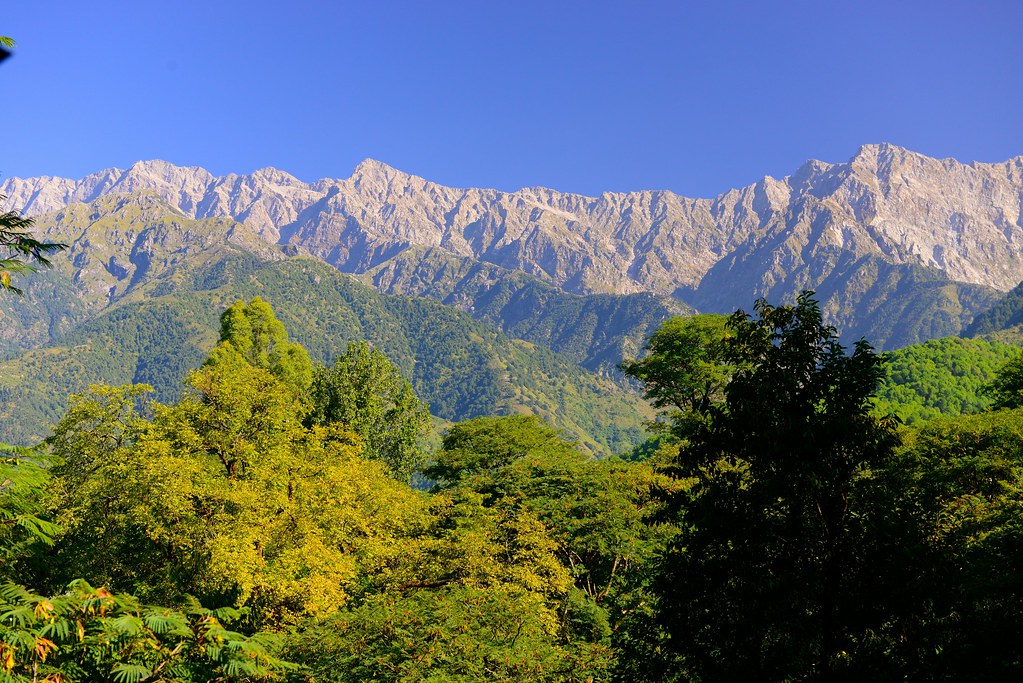
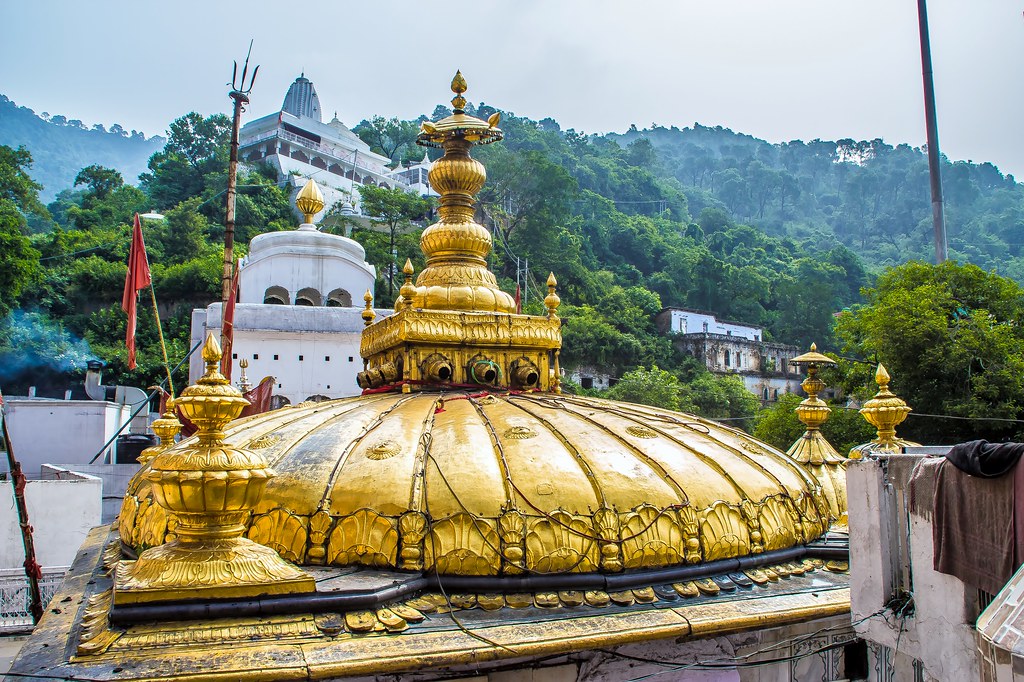
Navratri, the festival of nine nights devoted to the Goddess, assumes a very special character in the Kangra Valley. The air itself seems charged with devotion as the landscape of snow-capped peaks, pine forests, and gurgling rivers provides a backdrop for the celebration of these divine days. Observed in the lunar month of Ashwin (usually September–October), Sharad Navratras mark the triumph of the Divine Mother in her many forms. The season’s crisp air and clear skies seem to sharpen religious feeling. Pilgrims and villagers alike assemble at shrines that have stood for centuries, bringing garlands, incense and the simple faith of the hills. The golden light falling on the Dhauladhar ranges, and the freshness in the fields all enhance the sense of divine presence., Lending a grandeur, It becomes the focal point of drawing thousands of pilgrims to the region. Chamunda Devi Temple is one of the most revered, and its atmosphere during these nine nights is charged with mantras, bells, and the fragrance of incense. Jwala Mukhi Temple, perhaps the most unique, houses the eternal flame that springs naturally from the earth, believed to be the manifestation of the goddess herself, attracting immense crowds. Bajreshwari Devi Temple in Kangra town, also counted among the Shakti Peethas, becomes the focus of special rituals. Each temple carries its own legends, its own rituals, and together they form a sacred circuit that pilgrims aspire to cover during Navratri.
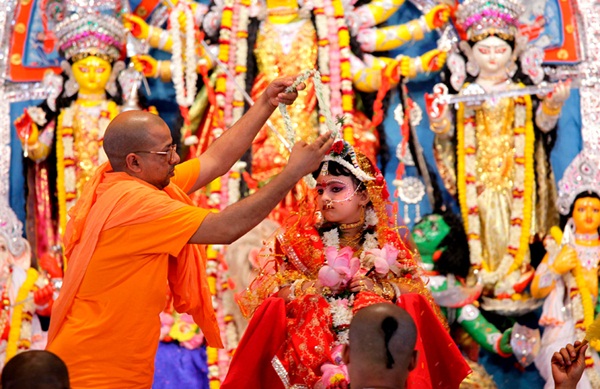
The nine days unfold in a rhythm that is both scriptural and local. During Sharad Navratri, the days are shorter and nights colder, the sight of pilgrims, waiting in queues, and the sound of hymns rising into the autumn sky create a spiritual aura that leaves a lasting impression. The crowds swell, and the spiritual fervour intensifies. Pilgrims pour in from distant places joining local devotees in common prayers. Shared faith binds people into a collective experience that is as social as it is religious. On the eighth and ninth days, the rituals reach their climax. The Ashtami and Navami days are marked by Kumari Puja, in which young girls are worshipped as living embodiments of the goddess. In homes and temples alike, girls are seated, their feet washed, their foreheads marked with vermilion and they are offered food and gifts. For devotees, this is not symbolic alone but a direct encounter with the divine. Maha Navami in Kangra temples is a day of special abhishekams, elaborate floral decorations, and an atmosphere charged with ecstasy after days of fasting and prayer. The Sharad Navratras end with this note of triumph and renewal, as the valley prepares to enter the winter with the goddess’s blessings.
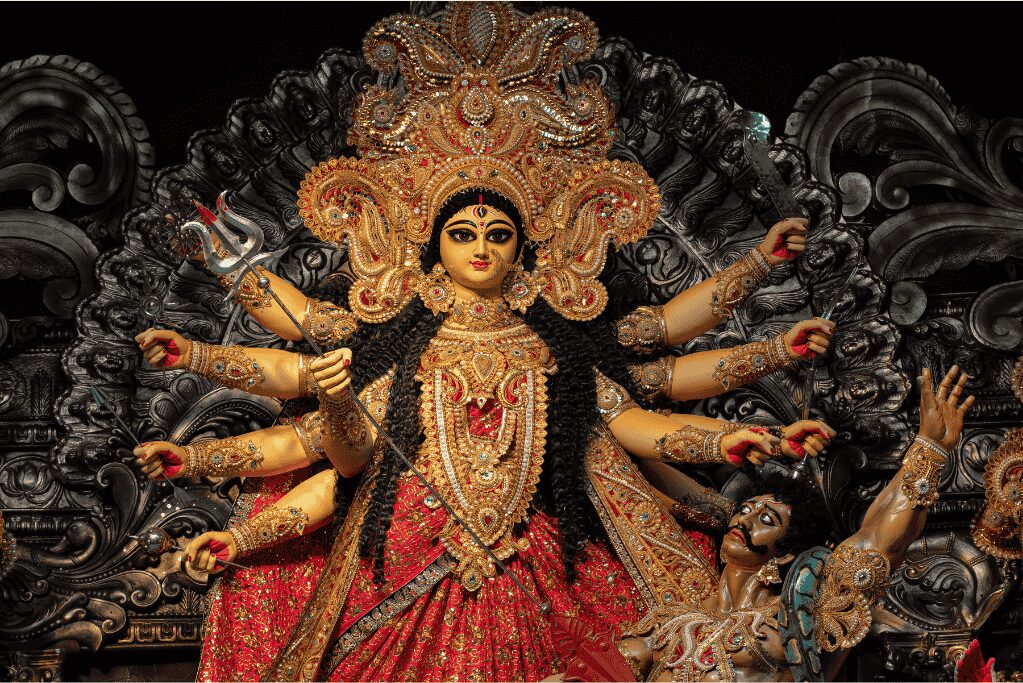
What makes the experience of Navratri in Kangra distinct is not only the rituals but the setting. Temples rise out of cedar forests, with the snow-lined Dhauladhar range looming above. Rivers and streams flow nearby, their sound mingling with the recitation of prayers. The goddess here is not distant; she is part of the mountain, the flame, the river. During the Sharad season especially, the cold winds from the higher ranges make devotion inseparable from the rhythms of nature. The festival also carries immense social meaning. It is a time when the days carry deep resonance, the goddess Kangra Wali Mata, is mother, protector, and source of strength, and their devotion is both personal and collective. For the region’s economy too, the influx of pilgrims is vital, sustaining small traders, artisans, and hoteliers. The Sharad Navratras in particular are peak season, when Kangra becomes a confluence of spiritual devotion and cultural vibrancy.
Yet the rush of modern times brings its own challenges. Popular temples like Jwala Mukhi see overwhelming crowds during Navratri, demanding strict regulation of queues, offerings, and movement. Environmental concerns also rise with the swelling numbers: plastic waste, traffic congestion, and strain on local resources. Still, Striving to maintain cleanliness and providing facilities, the sanctity of the festival is preserved. The larger influx of pilgrims is particularly demanding. Despite these challenges, the spiritual magnetism of Navratri in the Kangra Valley blessed by Kangra Wali Mata, remains intact. For devotees, to visit Chamunda Devi or Jwala Mukhi during the Sharad Navratras is to renew their faith, to shed burdens, and to feel part of a larger cycle of life and belief. The shared words of blessing from strangers met on pilgrim paths combine together into an experience that is profoundly moving.
Even after these nine nights, the memory of chants echoing in the mountain air of the valley, there remains a sense that the goddess continues to dwell in the forests and flames, in the rivers and peaks, watching over the land. That is perhaps the deepest impression of celebrating Sharad Navratri in Kangra, it roots devotion in the landscape itself, so that faith and geography become inseparable. The divine days thus renew not only religious life but also the bond between people and the sacred hills they call home. From the medieval ruins of Kangra Fort to the serenity of Baijnath temple and the bustling town of Dharamshala, the valley tells stories of faith and harmony with nature. Kangra is where the mountains whisper old legends, and every path invites you to return, as if the valley never really lets you go.
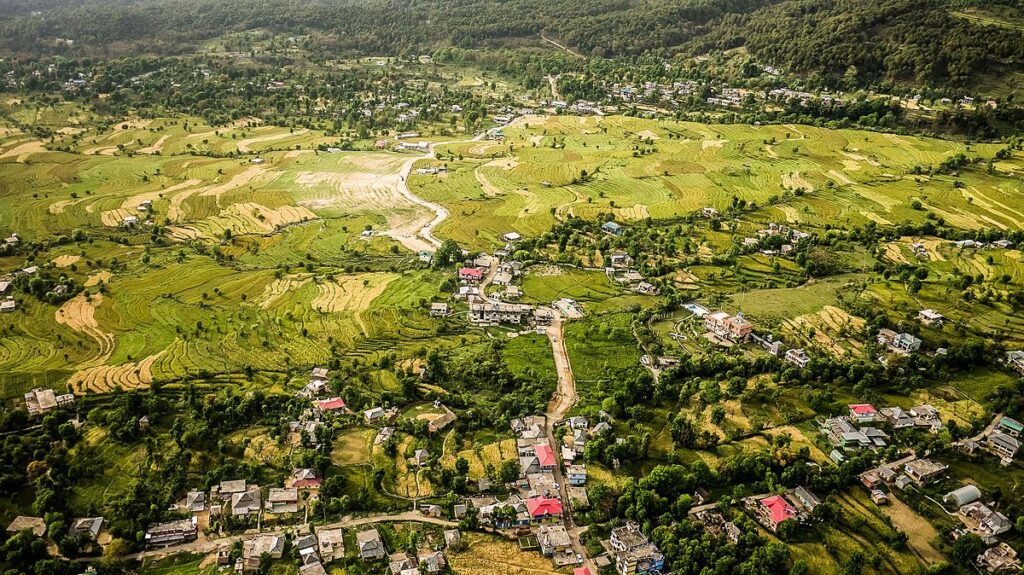
For pilgrims and travellers alike, Kangra Valley is more than a destination—it is a sacred experience, where every stone and stream seems to echo with the eternal power of the divine feminine. To walk through Kangra Valley is to step into a living testament of devotion and beauty. The Shakti Peeths that sanctify its soil are not merely shrines of worship but eternal symbols of the valley’s spiritual heartbeat. As the Dhauladhar stands guard, Kangra remains a land where the divine and the earthly meet in harmony. For every pilgrim and visitor, it leaves behind not just memories of mountains and temples, but a lasting imprint of serenity, reverence, and the eternal presence of Shakti.

Rachna Vinod is a multilingual poet, writer, blogger and broadcaster, proficient in Hindi, Urdu, English, and Dogri. Her works have been broadcast through multiple media platforms, including All India Radio. In addition to her books, her articles and creative pieces are regularly published in both print and online literary magazines. She has made significant contributions to literature with over 20 individual publications and participation in more than 25 collaborative anthologies.
A Few Published Works:
Urdu: Yasmeen-e-Sughandh, Mere Humsafar
English: Eternal Heritage, Shahada Aisha, I Am Here Only, Bridging The Gap, Lotus Lore, Kashmir Konnectivity: A Biosketch
Hindi: Ankahi Sargam, Pighalte Himkhand (poetry collection), Madhyaratrik Kshan, Parvaton Ke Dayare (short story collection)
Dogri: Adaya Madaya Geeten Bharya, Hirkhi Phuhar, Aakhi Lai Dile Di Gall