
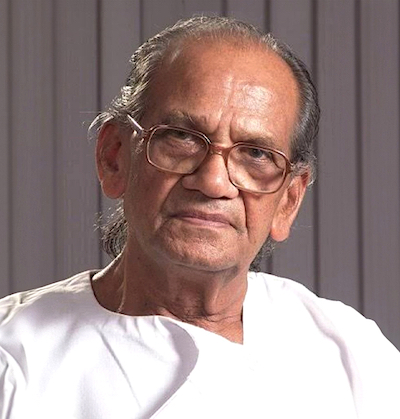
India takes immense pride in celebrating the extraordinary creative journey of Ram Sutar, a living legend whose monumental sculptures have profoundly shaped the nation’s artistic and cultural identity over the past century. As a centenarian sculptor of unparalleled talent, Sutar’s life is a testament to dedication, boundless creativity, and an unwavering commitment to immortalising India’s spirit in stone and bronze. His iconic works, from towering statues to intricate busts, stand as enduring symbols of unity, heritage, and aspiration, reflecting the soul of a nation through the hands of a master. His legacy, built over seven decades, inspires artists and captivates millions, cementing his place as one of India’s most revered cultural architects.
Born in 1925 in Gondur, a small village in Maharashtra’s Dhule district, Ram Sutar grew up in modest surroundings, where his innate artistic talent began to flourish. His early fascination with form and structure led him to pursue formal training at the prestigious Sir J. J. School of Art in Mumbai, an institution renowned for nurturing India’s finest artists. At J. J. School, Sutar honed his skills in sculpture, mastering techniques that blended traditional Indian artistry with modern sensibilities. His education laid the groundwork for a career redefining monumental sculpture in India, instilling a deep respect for cultural heritage and an eye for precision.
Ram Sutar’s career, spanning over seven decades, is a saga of artistic brilliance and national pride. After graduating, he began working as a sculptor and restorer, contributing to projects celebrating India’s independence and cultural resurgence. In 1959, he joined the Government of India’s Department of Archaeology, where he restored ancient sculptures, gaining insights into India’s sculptural traditions. This experience enriched his craft, enabling him to create works that resonate with historical depth and contemporary relevance.
In 1964, Sutar founded his studio, Ram Sutar Art Creations, in Noida, Uttar Pradesh. It marked the beginning of an era where his sculptures would become iconic landmarks across India. His ability to capture human emotion, movement, and grandeur on massive scales earned him commissions for projects of national and international significance. Collaborating often with his son, Anil Sutar, he built a legacy combining artistic vision and technical mastery, creating sculptures symbolising unity, progress, and heritage.
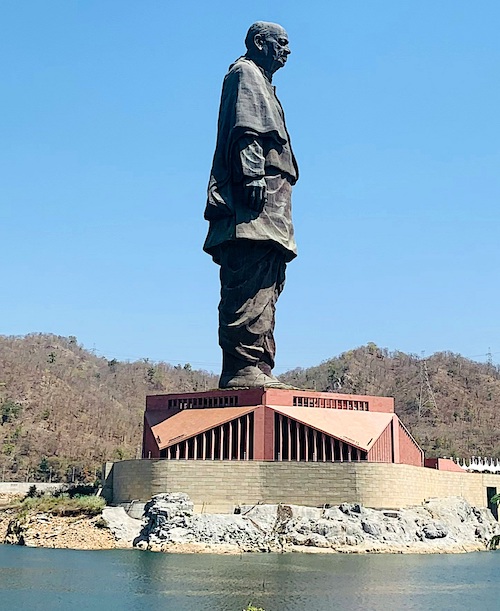
Ram Sutar’s portfolio is a gallery of India’s soul, with each sculpture telling a story of valour, unity, or aspiration. His most celebrated work is the Statue of Unity, unveiled in 2018 in Gujarat. Standing at 182 meters, it is the world’s tallest statue, depicting Sardar Vallabhbhai Patel, India’s Iron Man, who unified the nation’s princely states. The statue, a marvel of engineering and artistry, showcases Sutar’s ability to translate a towering vision into reality, blending intricate detailing with monumental scale.
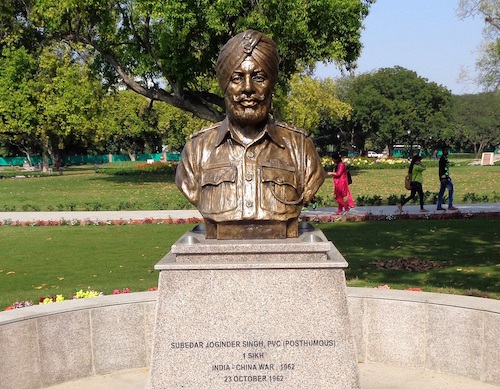
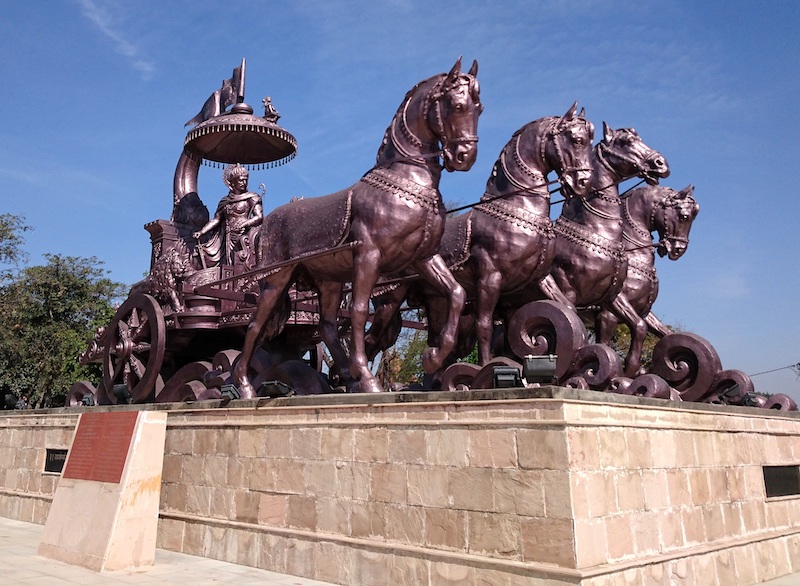
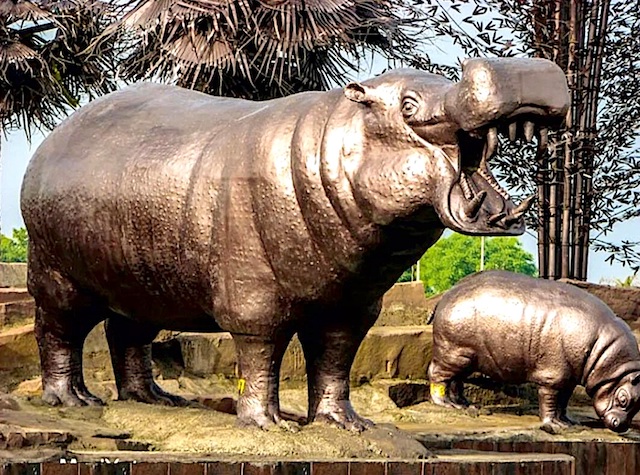
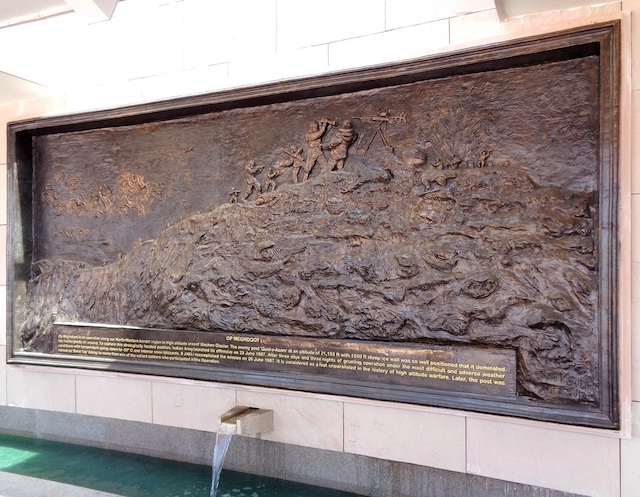
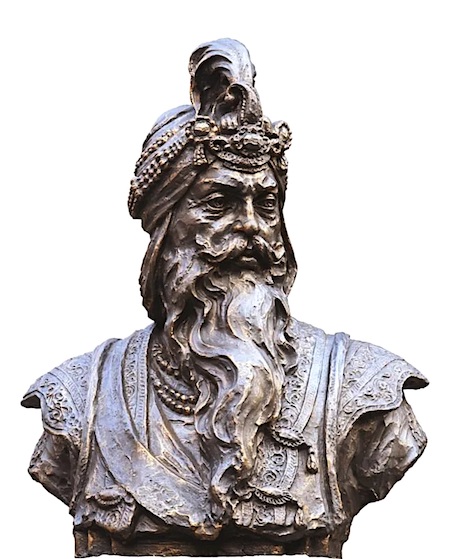
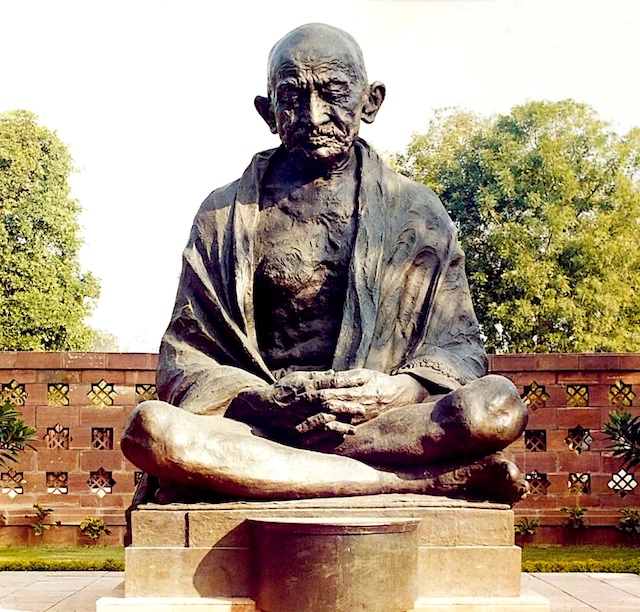
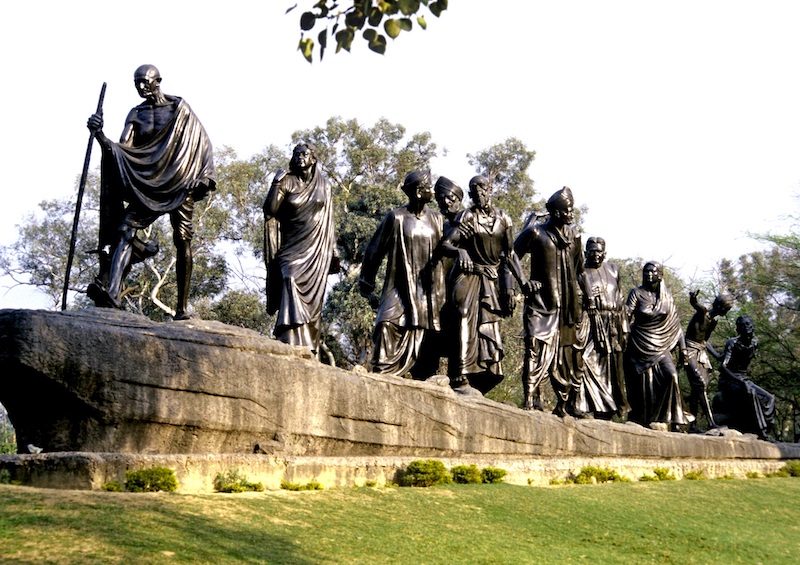
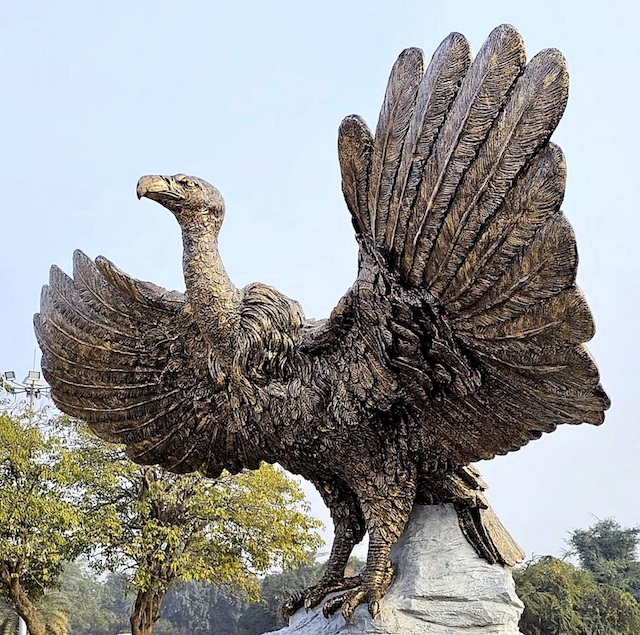
Other notable works include Mahatma Gandhi’s statue at Parliament House, New Delhi; the Statue of Prosperity -Kempe Gowda statue at the International Airport, Bengaluru; Prithviraj Chauhan’s statue at Qila Rai Pithora, South Delhi; Krishna-Arjun chariot at Brahma Sarovar, Kurukshetra; Gyarah Murti statue at New Delhi depicting the Dandi March in 1931; Bronze murals in a bas relief at the National War Memorial, New Delhi; Busts of Param Vir Chakra awardees at the Param Yodha Sthal, New Delhi; Bust of Maharaja Ranjit Singh; Jatayu sculpture in Ayodhya; Bronze animals at Eco Park, Lucknow to name a few at random.
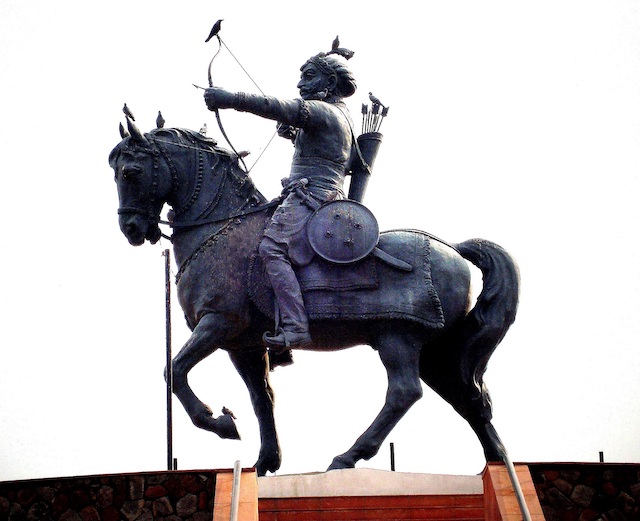
Each of Sutar’s creations, whether a bust or a colossus, carries his signature blend of realism and idealism, making them enduring landmarks that inspire generations.
Ram Sutar’s contributions have been recognised with numerous prestigious awards, reflecting his impact on Indian art and culture. In 1999, he was conferred the Padma Shri, India’s fourth-highest civilian honour, for his distinguished service in the arts. In 2016, he received the Padma Bhushan, the third-highest civilian award, acknowledging his exceptional contribution to sculpting India’s identity. Additionally, Sutar was honoured with the Tagore Award in 2016 for cultural harmony, celebrating his role in fostering unity through art.
Beyond formal accolades, Sutar’s valid reward lies in the millions who stand in awe before his sculptures, from the Statue of Unity’s global visitors to locals who cherish his more minor works in city squares. His art has earned him a place in the hearts of Indians, a recognition that surpasses any medal.

A Living Inspiration
Ram Sutar, India’s centenarian sculptor, has not only crafted monumental sculptures like the Statue of Unity but also left an indelible mark on younger generations of artists and sculptors. His life’s work—spanning over seven decades—has become a beacon of inspiration, shaping the creative and professional journeys of emerging talents through his innovative techniques, dedication to cultural storytelling, and commitment to public art.
Ram Sutar’s influence on younger generations extends beyond technique or style—it lies in his ability to inspire a sense of purpose. His sculptures are not just objects but narratives that connect India’s past, present, and future, urging young artists to create with intention and impact. By blending traditional craftsmanship with modern innovation, he has shown that art can be timeless and relevant, encouraging sculptors to push boundaries while honouring their roots.
As Ram Sutar steps into his centennial year, India celebrates not just his sculptures but the man himself—a humble, visionary artist who has given form to the nation’s dreams. His journey from a village boy to the creator of the world’s tallest statue is an inspiration, proving that passion and perseverance can shape history. At 100, Sutar remains a beacon of creativity, his hands guiding the chisel, his mind still envisioning new horizons.

On this occasion, we extend our heartfelt wishes for his good health, continued inspiration, and a long, eventful life. May he continue to inspire artists and dreamers, and may his sculptures stand tall for centuries, reminding us of the power of art to unite and uplift.
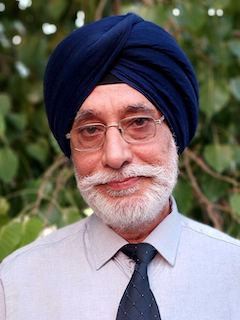
Sarbjit Bahga (b1957) is a Chandigarh-based architect, author, photo artist, and archivist. He is the Principal Architect of Bahga Design Studio LLP. Earlier, Bahga worked in the Department of Architecture, Punjab, Punjab Health Systems Corporation, and Punjab Mandi Board in various positions.
He has more than 42 years of practical experience designing various types of buildings, complexes, and large campuses. His completed works include an eclectic range of administrative, recreational, educational, medical, residential, commercial, and agricultural buildings. A monograph on his selected works titled “MODERN REGIONALISM: The Architecture of Sarbjit Bahga” has been published.
Bahga is also a keen researcher and a prolific architectural writer. He has 12 books to his credit, which include Modern Architecture in India, New Indian Homes, Le Corbusier, and Pierre Jeanneret: The Indian Architecture, Trees in Urban Habitat, Landscaping Human Habitat, New Indian Architecture -1947-2020, and Hand-Drawn Perspectives and Sketches. Bahga’s contribution to architecture has been largely recognized. He is a three-time recipient of the World Architecture Community Awards. His name has been featured in the Guinness Book of World Records for designing the “longest covered concrete corridor” in Vidya Sagar Institute of Mental Health, Amritsar.