
Himachal Pradesh, often referred to as ‘Dev Bhoomi’ or the ‘Land of Gods,’ offers a myriad of pilgrim destinations that attract millions of devotees and spiritual seekers each year. Nestled in the lap of the majestic Himalayas, this northern Indian state combines breathtaking natural beauty with a rich spiritual heritage, making it a unique destination for pilgrim tourism. Home to a variety of religious traditions, including Hinduism, Buddhism, Sikhism, and Christianity, the state’s pilgrim destinations are as diverse as its cultural fabric, each reflecting unique architectural styles, legends, and spiritual significance. The journey to these sacred sites often involves traversing scenic landscapes, dense forests, and tranquil valleys.
Dedicated to Goddess Hadimba, a figure from the Mahabharata, the 16th-century temple is renowned for its pagoda-style architecture and serene surroundings. Surrounded by cedar forests, it offers a peaceful retreat for devotees.
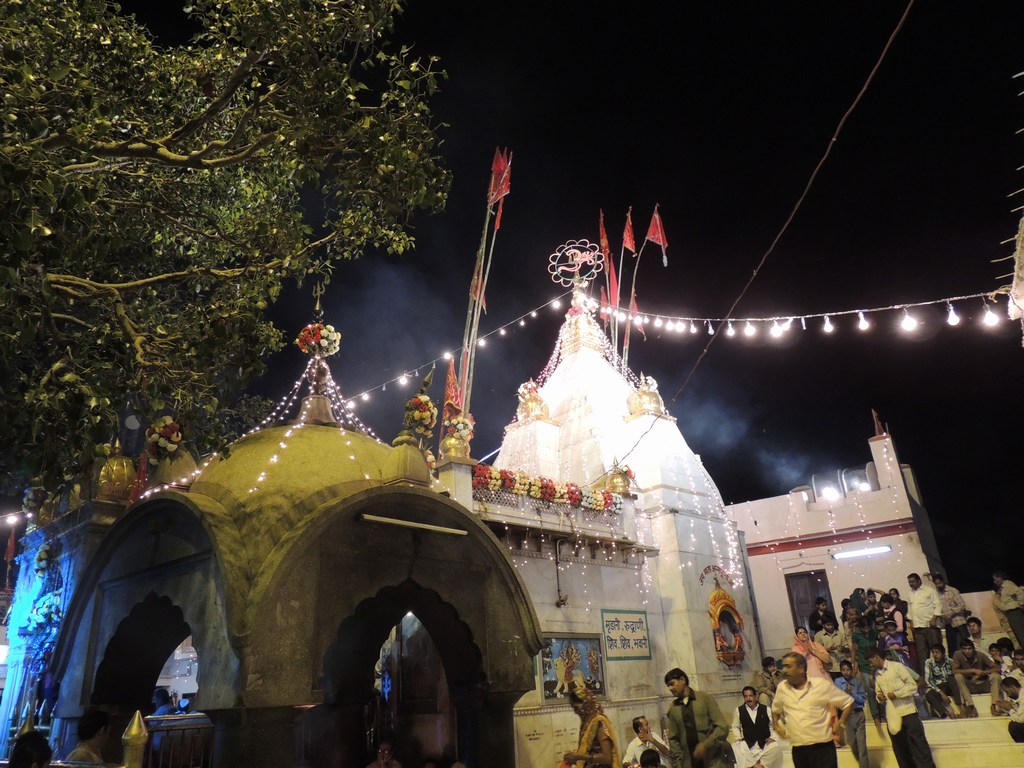
Shri Naina Devi Temple in the Bilaspur district, is one of the 51 Shakti Peethas and holds immense religious significance. Perched atop a hill, it is accessible via a steep climb or a scenic cable car ride. The temple is dedicated to Goddess Naina Devi, and it is believed to be the site where Sati’s eyes fell. Besides its spiritual importance, the temple offers stunning views of the surrounding landscape, making the journey both a physical and spiritual experience. The Navratri festival attracts countless devotees each year, turning the temple into a hub of devotion and festivity. One of the 51 Shakti Peethas, this temple is perched atop a hill and offers panoramic views alongside profound spiritual experiences.
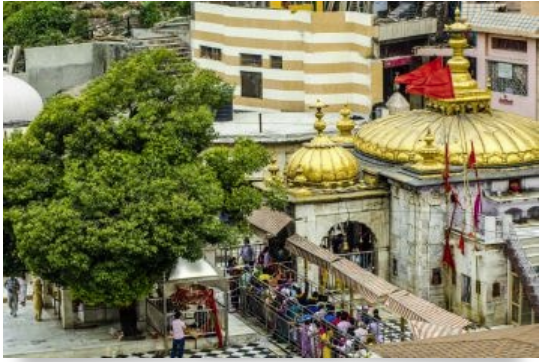
Jwala Ji Temple in Kangra, is unique for its natural flames that emerge from fissures in the rock and are considered manifestations of the goddess Jwala. Unlike conventional idols, the deity is worshipped through these eternal flames. Dedicated to Goddess Jwala Mukhi, this temple is famous for its eternal flame, believed to have been burning continuously for centuries. The temple’s mystique and the belief in its divine power draw pilgrims from far and wide. The annual Navratri fair is a major attraction, featuring cultural programs and religious ceremonies. Famous for its eternal flames, this temple is a testament to divine miracles.
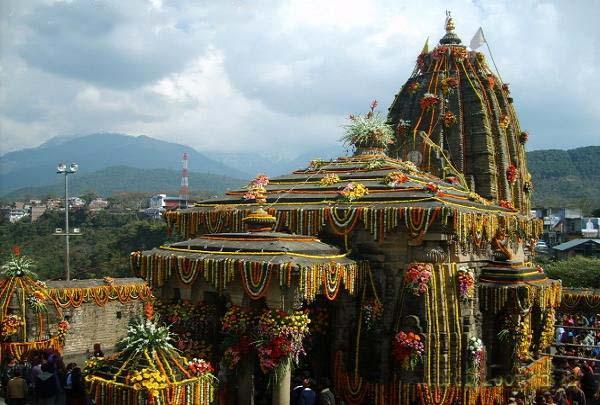
Dedicated to Lord Shiva in his Vaidyanath (healer) form, Baijnath Temple is an architectural gem of the Nagara style, constructed in the 13th century. Situated in the Kangra Valley, it is surrounded by lush greenery and the Dhauladhar ranges. The temple’s legends, intricate stone carvings, and tranquil atmosphere make it a revered site for both devotees and heritage enthusiasts. Dedicated to Lord Shiva, this 13th-century temple is an architectural marvel.
Manimahesh Yatra is an annual pilgrimage in Himachal Pradesh. The yatra attracts thousands of devotees who trek through rugged terrain, braving high altitudes to seek blessings. The shimmering lake, with the towering Manimahesh Kailash Peak as its backdrop, is believed to be the abode of Lord Shiva. The yatra is both a spiritual and adventurous journey, symbolizing faith, perseverance, and reverence for nature’s divine beauty.
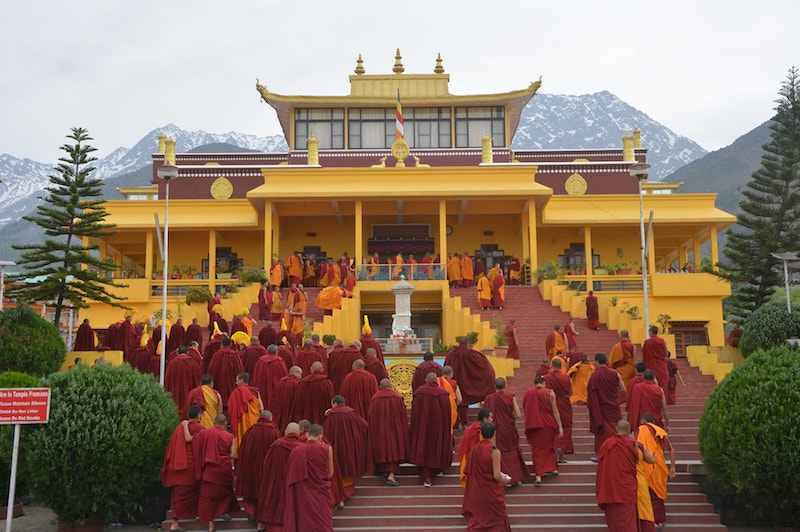
Dharamshala is a global center for Tibetan Buddhism. The Namgyal Monastery, often referred to as the Dalai Lama’s temple, is a hub for spiritual learning and meditation. Visitors can observe the monks’ daily prayers, engage in meditation sessions, and explore the Tibetan Museum, which narrates the story of Tibet’s rich culture and struggles. Known as the residence of His Holiness the Dalai Lama, Dharamshala and its monasteries, are canters of Tibetan Buddhism. Located in the arid yet enchanting Spiti Valley, Tabo Monastery was founded in 996 AD and is also known for its priceless murals and frescoes. It is an active center for Buddhist studies and hosts festivals like the Tabo Festival, where ancient rituals are performed. The monastery’s remote location adds to its aura of peace and introspection. This ancient monastery in Spiti Valley is renowned for its murals and scriptures.
Paonta Sahib Gurudwara in the Sirmaur district is a sacred site for Sikhs, commemorating Guru Gobind Singh’s stay in the region. It is situated along the Yamuna River, offering a picturesque and serene setting. The Gurudwara houses relics of the Guru, including his weapons and writings. The annual Hola Mohalla festival is celebrated here with great enthusiasm, featuring martial arts displays and devotional music. This Gurudwara holds deep historical and spiritual significance for Sikhs.
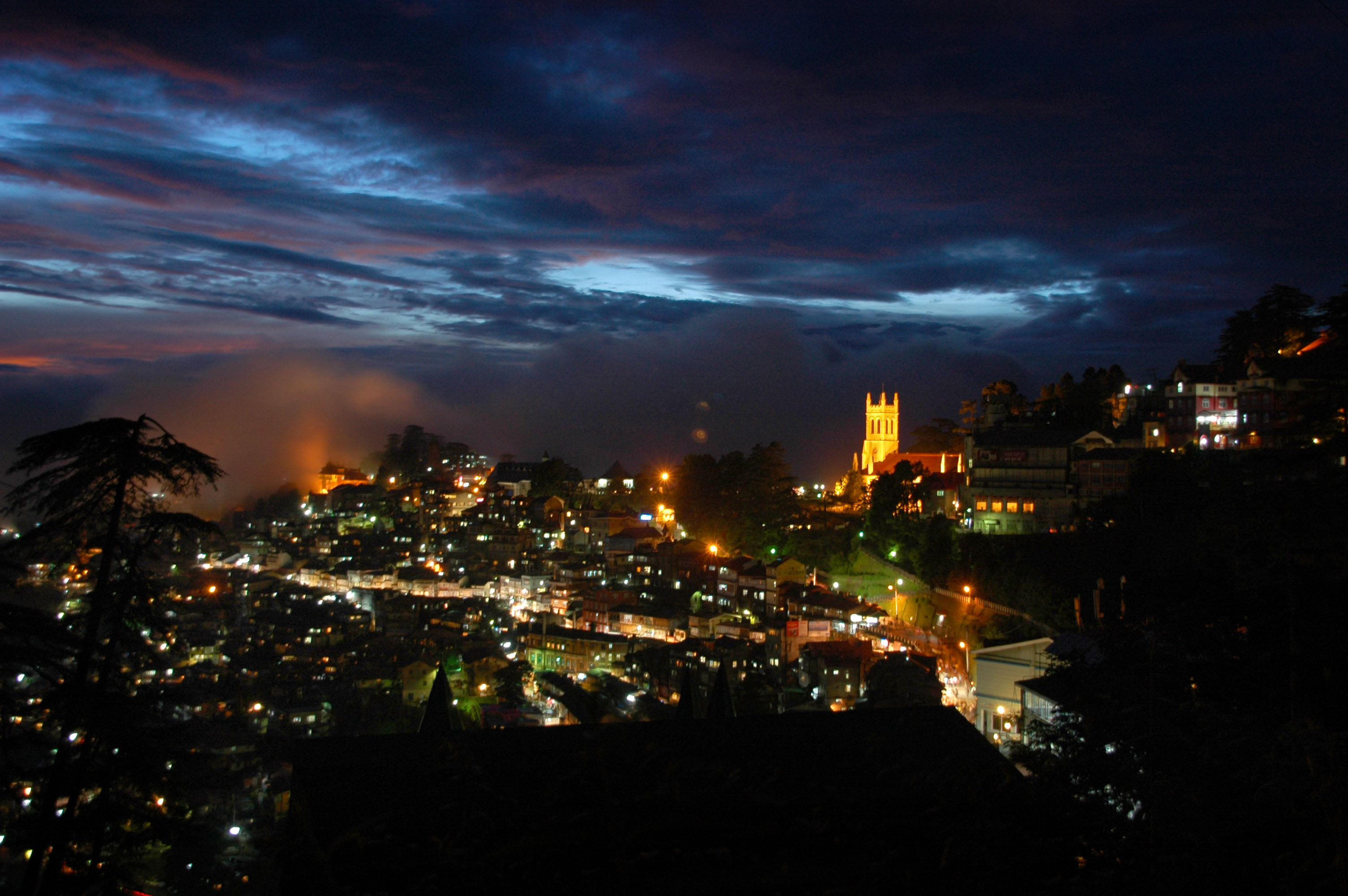
File Photo By:Amit Kanwar
Built in 1857, Christ Church, the neo-Gothic church, is a landmark of Shimla’s heritage. Its striking architecture, complete with a tall spire and stained glass windows, draws tourists and devotees alike. The church’s serene ambiance and its location on the bustling Ridge make it a must-visit. Special services during Christmas and Easter are highlights, showcasing vibrant community participation. The second oldest church in North India, it stands as a legacy of colonial architecture and Christian devotion.
For pilgrims, Himachal Pradesh offers a unique blend of divine sanctity, awe-inspiring landscapes, and spiritual tranquility. Dotted with ancient temples, each steeped in mythology and architectural brilliance, these sanctuaries of faith attract pilgrims and tourists alike. Facing the challenge of balancing environmental sustainability with spiritual accessibility, pilgrim tourism in Himachal Pradesh is more than just a journey to sacred sites; it is an exploration of faith, culture, and the sublime beauty of the Himalayas. Standing out as a pilgrimage destination where faith and nature intertwine harmoniously, the pilgrimage sites are often set against the backdrop of stunning natural landscapes, enhancing the spiritual experience. The sacred rivers, towering peaks, and verdant valleys amplify the spiritual aura, creating a holistic experience for pilgrims. Whether seeking spiritual solace, cultural enrichment, or simply an escape into the serene embrace of nature, Himachal Pradesh offers an unparalleled experience. It is a land where the divine and the earthly converge for pilgrims to embark on a transformative journey of faith and serenity besides being one of the few states that had remained largely untouched by external customs, due to its difficult terrain.

Rachna Vinod is a multilingual poet, writer, blogger and broadcaster, proficient in Hindi, Urdu, English, and Dogri. Her works have been broadcast through multiple media platforms, including All India Radio. In addition to her books, her articles and creative pieces are regularly published in both print and online literary magazines. She has made significant contributions to literature with over 20 individual publications and participation in more than 25 collaborative anthologies.
A Few Published Works:
Urdu: Yasmeen-e-Sughandh, Mere Humsafar
English: Eternal Heritage, Shahada Aisha, I Am Here Only, Bridging The Gap, Lotus Lore, Kashmir Konnectivity: A Biosketch
Hindi: Ankahi Sargam, Pighalte Himkhand (poetry collection), Madhyaratrik Kshan, Parvaton Ke Dayare (short story collection)
Dogri: Adaya Madaya Geeten Bharya, Hirkhi Phuhar, Aakhi Lai Dile Di Gall