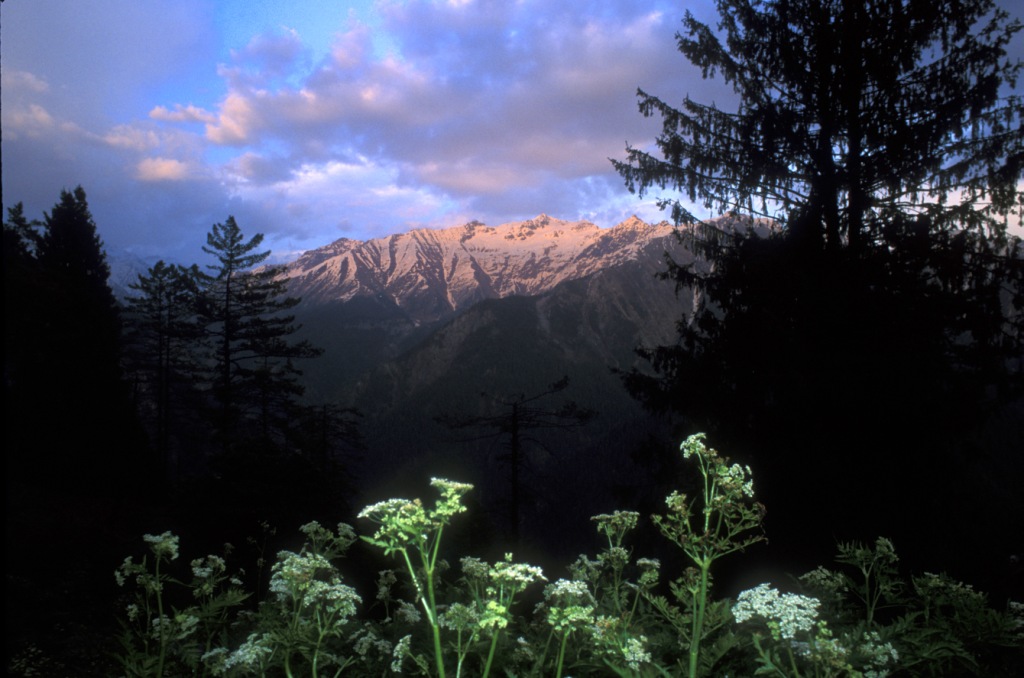
Not many of us know that just 60 kms away from Kullu town lies a 765 sq km area known as the Great Himalayan National Park (GHNP). As management students we were given the task to build a sustainable model for ecotourism in the park but when we started our project on the its promotion of we were clueless about the complexities of the issue at hand. Two weeks into this project and we realized that there are three main issues that plague the GHNP accessibility, awareness and improper flow of information among concerned authorities.
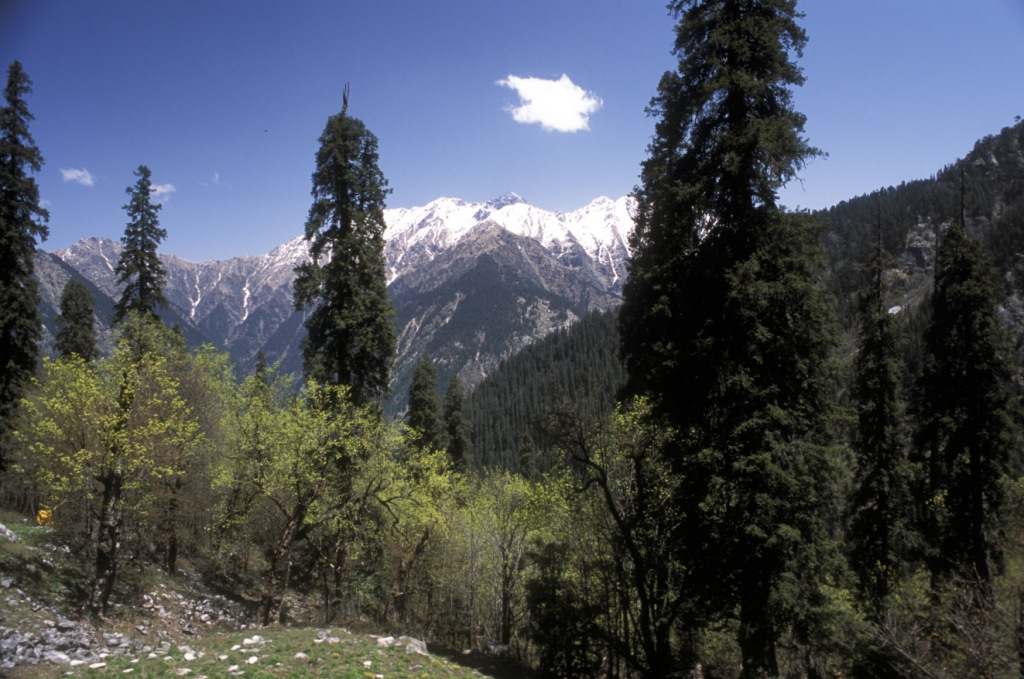
The poor condition of the roads leading to the park which is aggravated by other uncontrollable forces such as persistent rain is a major obstacle in the way of tourism in the Great Himalayan National Park. The lack of available transport on this route is another major issue. The government should look at starting a special bus service for travelers to the park which would provide convenience, comfort and ease of luggage space for the tourists. Currently the GHNP is targeting only the hardcore adventure trekkers and the Eco-zone treks are not really highlighted or given any importance when they can attract a large set of tourists looking for a family getaway with a little adventure. The Eco-zone treks provide the right mix of small treks and a few adventure activities for the complete family trip.
 One of the most important issues for the GHNP is the lack of awareness about it among people in and out of Himachal Pradesh. Internet being one of the most used avenues for travellers to research their planned destinations, it is a shame that GHNP being a national park is not even present as a tourist destination on the HPTDC website. Most Indian ecotourism websites have no mention of GHNP as an ecotourism destination. Even the Lonely Planet – India ( a travel guide) which is considered the bible for tourists has just a mention about the park with no contact information or website information about the park. The lack of sign boards on the road leading to the park – only two sign boards from Sairopa up to the GHNP Gate doesn’t provide a pretty picture. Boards providing interesting facts about the park and eco tourism need to be put along the trek to at least keep the tourist focussed on the eco tourism and the idea behind the concept.
The need of the hour is a new and improved comprehensive website with information such as varied packages for the varied consumer (with prices), a reviews section, a query section and one which is regularly updated with the latest happenings in and around the park. Brochures, posters and postcards need to be made available to key locations (Shops, HPTDC hotels, other key tourist destinations) in Himachal to make the traveller aware that such a destination exists. A documentary about the GHNP on travel shows on television channels like Discovery, National Geographic and NDTV will go a long way in making tourist all over the country aware of such a location in Himachal.
People need to be aware that such a park exists in the country which houses many an endangered species. Ecotourism itself in India needs to be encouraged. Responsible tourism which boosts the local economy while conserving the pristine environment of the park needs impetus.
 The key factor in an ecotourism model is to bring an overall positive effect to the locals of the region. The GHNP has the potential to develop an ecotourism model which can then be followed by many around the country. Presently the governing bodies as well as the BTCA group are ineffective and are struggling to bring any improvement to the region. Any suggestion (either from BTCA or the locals of the region) has to go through so many levels for approval and most of the time is lost in the paperwork of the governing offices that hardly any improvement has been brought to the region. A new empowered governing body is the need of the hour. This would not only provide a channel for local villagers to raise their concerns but having locals on the board may build trust level among the villagers. This body should be a non profit organisation consisting of representation from locals, government as well as the local NGO and it should be given the authority to act on behalf of the government. It will also ensure the training and skill development of the locals; provide avenues for locals to sell their home made products and co-ordinate home stays in the region to bring direct benefit to the locals. The information flow would be quick, effective and this body will work towards bringing about the quick development of the region.
Currently there is no fixed structure to either make your bookings or to raise your queries about the park. Most queries are lost in a chain of mails going from one person to another before finally reaching the concerned person after two weeks. An attempt to make the bookings by phone is struggle as there is no fixed price list nor is there a single person handling all the queries. It is quite possible for duplication of information or even inconsistent information passing to the same customer. This ineffective and inefficient operating model must be changed immediately. Allocation of at least two resources for bookings/answering queries is very important and their contact information should be available on the website as well as any other mode of communication to the traveller. Making a standard price list and bringing about consistency in the information been given out to consumers is the least one expects from any service.
The problems in the GHNP are vast but solutions exist to bring about a quick change. It is up to the concerned authorities to take up the challenge and take the necessary strong decisions to bring about the change. A lot of people have come before us and highlighted the problems and most people working in the park are aware of these problems but still no action seems to be taken. The road ahead for the GHNP has to be carved by the concerned authorities; it can be one leading to becoming a key tourist destination in India or one in which GHNP remains an unexplored paradise.
The above article has been written by Divya Sawant and Gautam Bhatia. Both of them are students of SP Jain Institute of Management and Research, Mumbai. They are currently on a 6 week internship with My Himachal as part of their DOCC (Development of Corporate Citizenship) program. They are presently working on a plan to develop a sustainable model for eco tourism in the GHNP area. Their immediate plan is develop a marketing strategy for ecotourism in GHNP.