
US Artist Robbed of Rs 9.5L in Manali
A cash theft story that has foxed police in Manali


Sanjay Dutta, an engineer by qualification but is a journalist by choice. He has worked for the premier new agency Press Trust of India and leading English daily Indian Express. With more than a decade of experience, he has been highlighting issues related to environment, tourism and other aspects affecting mountain ecology. Sanjay Dutta lives in a village close to Manali in Kullu valley of Himachal.
A cash theft story that has foxed police in Manali
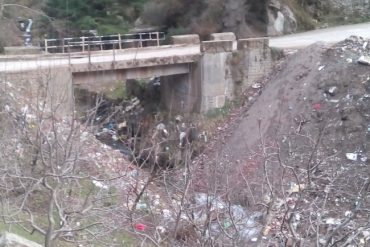
A disaster waiting to happen – Damming, Choking Natural Water Flows
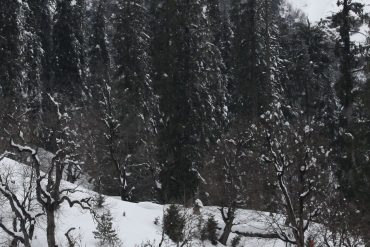
Manali: Saurav Thakur, 18, would be the only Indian to represent his country at the Winter Youth Olympic Games scheduled to be held in…
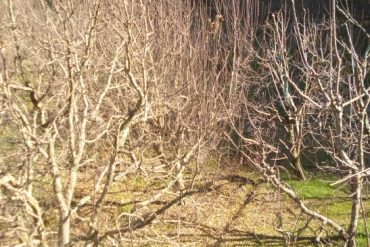
Uncertainty of a good snowfall has Kullu apple orchard owners worried
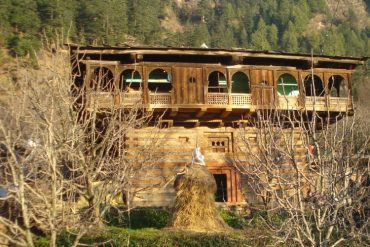
Traditional Kullu houses combine the weight, solidity and coolness of a stone building with the flexibility and earthquake-resisting qualities of a wooden one.

Raising the winter temperature at Manali
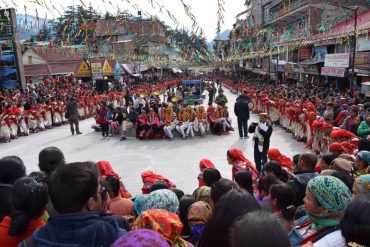
Manali: Women from across Kullu valley have taken it upon themselves to revive ‘Lalharhi’, an old pahari folk dance form that the new generation…
Where a state has failed to protect our right to livelihood, what would we do with empty voting rights – Shiv Ram