
Nestled amidst the lush green forests on the banks of the Ghaggar River, just 20 km from the vibrant city of Chandigarh, Chhatbir Zoo stands as a mesmerising gateway to the wild wonders of nature. This sprawling 200-hectare sanctuary, also known as Mahendra Chaudhary Zoological Park, invites visitors into a captivating world where majestic lions roam freely, exotic birds soar in India’s longest walk-in aviary, and gentle deer graze peacefully in their natural habitat. With its harmonious blend of conservation, education, and recreation, Chhatbir Zoo promises an enchanting adventure that sparks curiosity, ignites a love for wildlife, and leaves every visitor with unforgettable memories of nature’s splendour.
Mahendra Chaudhary Zoological Park, popularly known as Chhatbir Zoo, is a beautiful wildlife park located near Chandigarh. In recent years, it has become very popular and now attracts a massive footfall of about 8.85 lakh (0.88 million) visitors every year. This significant rise in the number of tourists results from a range of positive changes. These include a well-managed wildlife safari that combines lion and deer safaris, India’s longest walk-in aviary, a clean and green campus set in a peaceful natural forest, and substantial improvements in public amenities, animal displays, visitor management, and security.
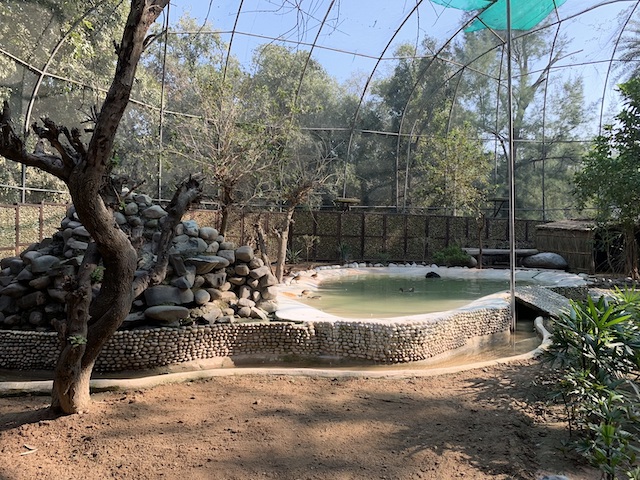
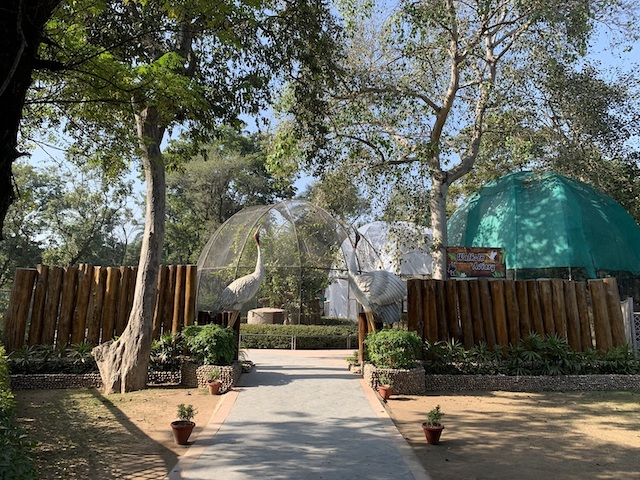
The star attraction of the zoo is its impressive 300-metre-long walk-in aviary – the longest in India. Visitors can enjoy a wonderful walk inside this large enclosure, where they can see around three dozen species of beautiful birds from India and other countries. The aviary is thoughtfully divided into five different thematic zones: Terrestrial, Rock and Duck, Woodland, Japanese Trail, and Rainforest. These zones create a natural and exciting experience for everyone. In addition to the nearly 400 birds living in this aviary, the entire Chhatbir Zoo is home to about 103 species and 1,241 animals.
Chhatbir Zoo is situated on the banks of the Ghaggar River, only 20 km from Chandigarh on the Patiala-Chandigarh Road in Punjab. The idea for the zoo began in the early 1970s. It was officially built and inaugurated on 13 April 1977 by the then Governor of Punjab, Mahendra Chaudhary. This is why it is formally named Mahendra Chaudhary Zoological Park. Starting from humble beginnings more than four decades ago, it has steadily grown into one of the largest zoos in India.
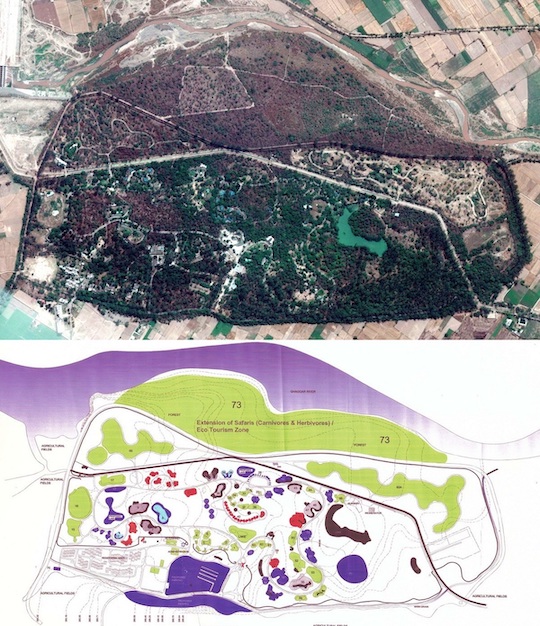
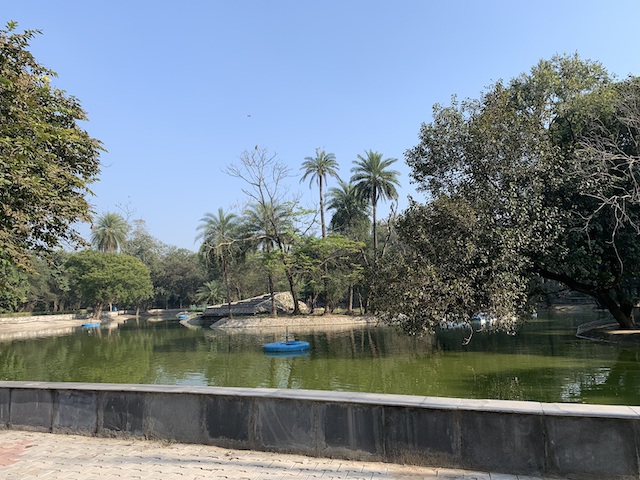
One of the most unique features of Chhatbir Zoo is its wonderful location – a vast 200-hectare natural forest on the northern bank of the Ghaggar River. This undulating forest land is well protected from flooding by embankments on three sides and a flood drain on the fourth side. A low-lying ditch on the north-west side has been cleverly transformed into a beautiful shallow lake covering about eight hectares. This lake is a favourite spot for many birds, especially large numbers of migratory birds that visit during the winter months.
The zoo features a special Lion Safari spread over eight hectares. This exciting safari allows lions to roam freely in a large, natural forest-like setting that closely resembles their wild habitat. Visitors enjoy a thrilling and safe experience as they are driven through the area in specially designed caged vehicles, providing a wonderful opportunity to observe these majestic big cats up close without any risk.
Close by is a physically separate Deer Safari covering 12 hectares. This spacious area is home to a large, lively population of deer that can be seen grazing, running, and moving naturally in their natural habitat. It offers a peaceful and delightful contrast to the Lion Safari, allowing visitors to enjoy the gentle grace of these beautiful animals in a calm, open environment.
The zoo was designed by talented architects Jeet Malhotra and D.K. Bahl from the Department of Architecture, Punjab. They were guided by a technical committee that included experts like N.S. Lamba (the then Chief Town Planner of Punjab), N.D. Bachkheti (Administrator of Lucknow and Kanpur Zoos), and Pushap Kumar (Director of Nehru Zoological Garden, Hyderabad). With their valuable inputs, the architects finalised the detailed plan on 29 September 1975.
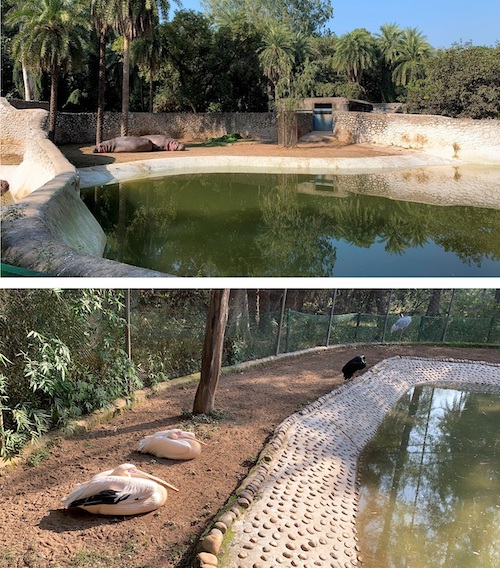
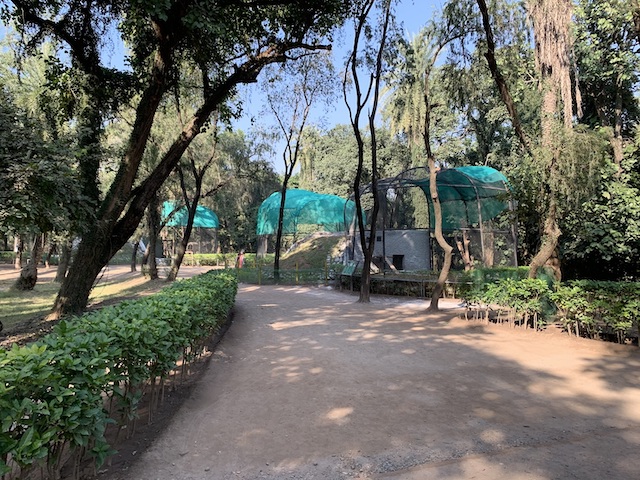
The entire zoo has been planned and designed organically, blending beautifully with the informal, picturesque character of the surrounding natural forest. The layout features free-flowing passageways and animal enclosures with gentle, sweeping shapes that feel in complete harmony with the environment. Special care was taken to protect as many existing forest trees as possible. The built structures were carefully shaped and placed so that only a minimum number of trees had to be moved or replanted. To maintain a natural appearance, all buildings – including the aquarium, serpentarium (snake house), crocodile farm, museum, and others – are kept single-storied and low-profile.
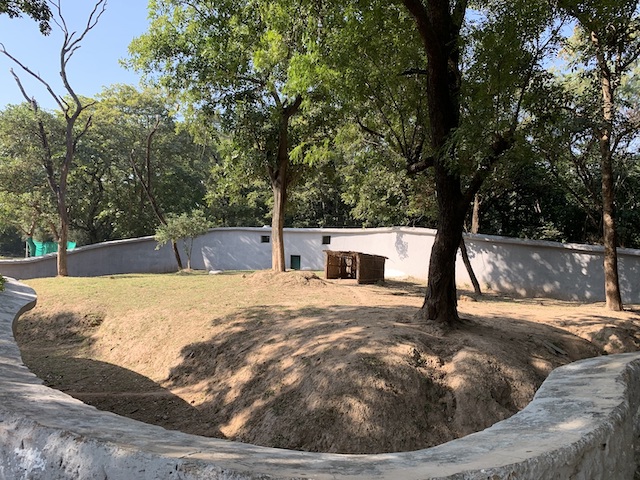
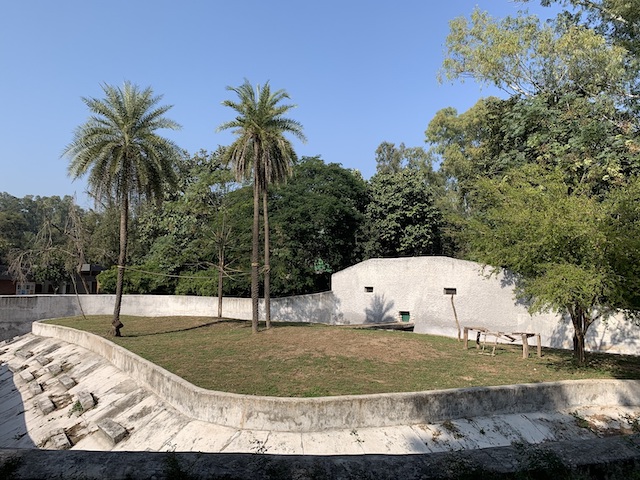
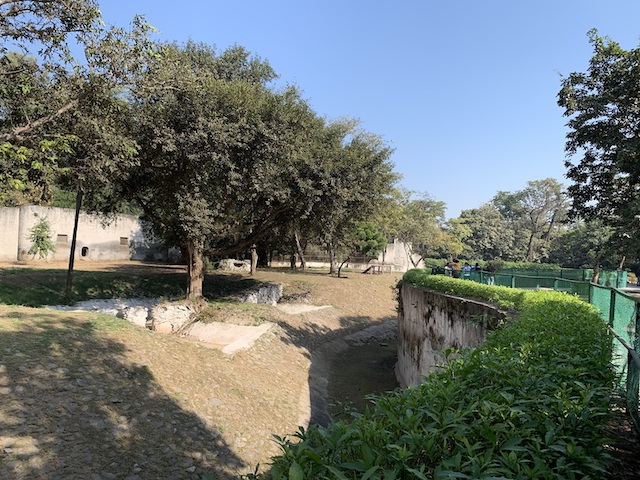
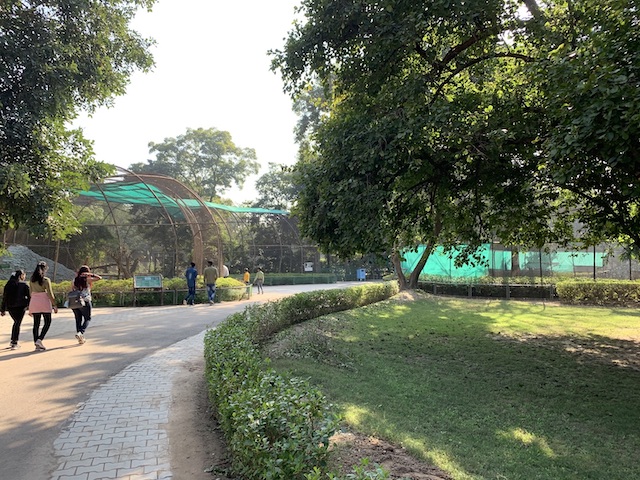
Meandering paths wind gently through the zoo, gradually revealing lovely vistas and views while also giving visitors a clear sense of direction. Each animal enclosure is thoughtfully designed to suit the specific needs, habits, and preferences of the different species. The designs also allow animals and visitors to see each other easily, without any barriers blocking the view. The enclosures are spread out to create a variety of interesting spaces yet conveniently grouped for staff to manage feeding and other daily care needs.
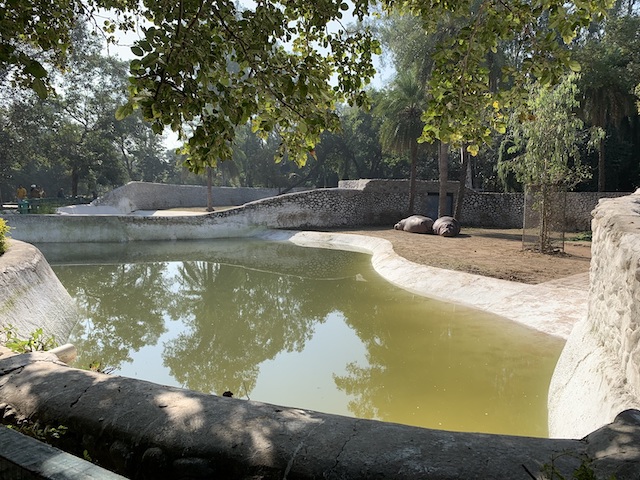
The construction of the animal enclosures uses mostly brick masonry with a rough-cast concrete finish on the outside for a natural appearance. Random rubble stone masonry has been used in some places to add a pleasant, rustic touch. Apart from the animal areas, the zoo also includes important facilities such as a veterinary hospital, an administrative office, residential quarters for staff, an Interpretation Centre, snack bars, rain shelters, and many other public amenities to make the visit comfortable and enjoyable.
The author feels truly humbled and privileged to have had the opportunity to design two important enclosures in this prestigious zoo – the Reptile House and the Nocturnal House. These designs were carefully created to stay in complete harmony with the natural environment and the organic style of the other animal enclosures planned by the veteran architects Jeet Malhotra and D.K. Bahl, who were also the author’s respected mentors.
Chhatbir Zoo is much more than just a place to see animals. Its broad aims and objectives include educating visitors about wildlife, promoting the conservation of animals and their natural habitats, creating awareness about environmental protection, and offering wholesome recreation in the lap of nature. It serves as a living classroom where people of all ages can learn about the rich biodiversity of India and the world. Families, especially parents with children, should plan a visit to this wonderful zoo. Bring your kids along to watch majestic lions roaming freely, beautiful birds flying around you in the aviary, and playful deer in their natural surroundings. The experience of walking through the lush green forest, enjoying the fresh air, and connecting with nature will create unforgettable memories that your children will cherish for a lifetime. Come to Chhatbir Zoo for an exciting, educational, and truly memorable family outing!

Sarbjit Bahga (b1957) is a Chandigarh-based architect, author, photo artist, and archivist. He is the Principal Architect of Bahga Design Studio LLP. Earlier, Bahga worked in the Department of Architecture, Punjab, Punjab Health Systems Corporation, and Punjab Mandi Board in various positions.
He has more than 42 years of practical experience designing various types of buildings, complexes, and large campuses. His completed works include an eclectic range of administrative, recreational, educational, medical, residential, commercial, and agricultural buildings. A monograph on his selected works titled “MODERN REGIONALISM: The Architecture of Sarbjit Bahga” has been published.
Bahga is also a keen researcher and a prolific architectural writer. He has 12 books to his credit, which include Modern Architecture in India, New Indian Homes, Le Corbusier, and Pierre Jeanneret: The Indian Architecture, Trees in Urban Habitat, Landscaping Human Habitat, New Indian Architecture -1947-2020, and Hand-Drawn Perspectives and Sketches. Bahga’s contribution to architecture has been largely recognized. He is a three-time recipient of the World Architecture Community Awards. His name has been featured in the Guinness Book of World Records for designing the “longest covered concrete corridor” in Vidya Sagar Institute of Mental Health, Amritsar.