

Traditional knowledge does not have one clear definition. It usually means the knowledge that is special to a particular culture or community. Traditional Knowledge (TK) refers to the know-how, skills, ideas, and practices developed by indigenous peoples and local communities over time. It includes shared wisdom that supports farming, healthcare, food preparation, environmental protection, training, and other important parts of daily life. For example, the knowledge about using plants for medicine is considered TK.
This knowledge is not only practical but also reflects a community’s beliefs, values, and way of life. It is closely linked to identity and the preservation of culture. Traditional Cultural Expressions (TCEs) are the physical and non-physical ways in which traditional knowledge and culture are shown, such as dances, songs, and designs. In recent years, traditional knowledge has also been recognised as an important resource in global health and development.
The Role of the World Health Organisation in Recognising Traditional Medicine
The growing worldwide recognition of traditional medicine has been strongly supported by the World Health Organisation (WHO). In its important Health for All Declaration of 1978, WHO encouraged including local traditions and community practices in primary healthcare. The Declaration stated that health is not only the absence of disease but a state of complete physical, mental, and social well-being. Communities are recognised as the keepers of knowledge about their own health needs.
WHO defines traditional medicine as the total of health practices, knowledge, and beliefs that use plant, animal, and mineral remedies, spiritual therapies, physical techniques, and exercises. These may be used alone or together to prevent, treat, or manage illness, or to maintain well-being. This shows that healing is not limited to modern drugs but also includes cultural and spiritual aspects.
Jaintia Healing Systems and the Practice of Prem
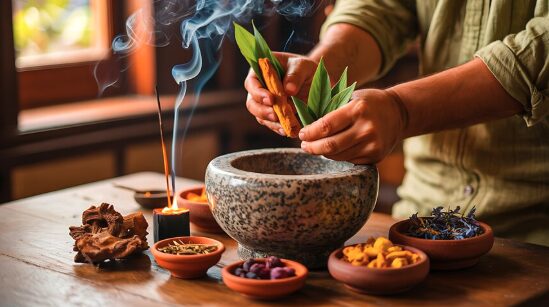
Within the Jaintia community of Meghalaya, traditional healthcare knowledge is rich and varied. Based on spiritual beliefs and close knowledge of nature, Jaintia healing combines herbal remedies, ritual chanting, and symbolic actions. One well-known practice is called Prem.
For example, Prem ya ka Tiar involves an elder with deep folk knowledge using ginger while chanting a sacred prayer: “Ko Syiem Synchar Biskorom Blai, ko jaid ko Thakur ko chanbnein ko chankhyndaw, lurmiet lurchai soodong i pyrthai…”
This ritual is believed to relieve gas, bloating, belching, and other digestive problems. Different types of Prem exist, each aimed at specific illnesses, showing a detailed and specialised system of indigenous medical knowledge.
When one travelled long distances or went outside the state, parents would give their children Syiñ Prem (ginger) to prevent or treat diarrhoea, fever, or toothache. These actions were not only treatments but also expressions of care, faith, and family connection. Health was understood as closely linked to family and community life.
The writer shares a personal experience from his college days in the early 1990s. During a student excursion to Kolkata by train, a classmate suffered a severe toothache that made him cry. With no medicine available, the writer offered him Syiñ Prem. At first, his classmate refused because he came from a different religious background. Eventually, he had no choice but to eat the ginger. Within a few minutes, the pain went away, showing the effectiveness of this simple traditional remedy and highlighting the practical value of ancestral knowledge.
Prem Sah Chieh: Ritual Healing for Fish Bone Obstruction
A common domestic emergency, fish bones lodged in the throat was addressed through a traditional practice known as Prem Sah Chieh. The healer would chant special words: “Jok, Jok, Jok, lang kyrjop, lang wa thah, khali yong khali lieh, soh khali jaw. Yoo pha ka chieh wa sah ha radang tea ngooid u mih pho.”
Through this ritual invocation, it is believed that the lodged bone loosens and passes safely. This practice shows the holistic nature of Jaintia medicine, where physical treatment is closely connected with spiritual belief and the healing power of spoken words.
Everyday Folk Remedies in Childhood
Growing up, I saw that Jaintia folk medicine was not limited to ritual healers; it was part of our everyday family life. Many remedies were simple and easy to access, yet highly effective.
I remember, as a child, when someone got cut by rusty iron or stepped on a nail, elders would peel an onion, heat it over the fire, and gently press it on the wound. I watched how this was believed to prevent infection and help the cut heal. At that time, most parents, including mine, did not know about tetanus injections or modern vaccines. Without hospitals or modern medicine nearby, these home remedies were our main source of care and protection.
I also recall times when dysentery struck someone in the family. We would heat a small wooden stool called Knor or Lyngknot, and the patient would sit on it while it was warm. I saw how the warmth seemed to ease stomach pain and restore balance. Alongside this, elders encouraged us to eat Bell fruit, scientifically known as Syzygium aqueum (watery rose apple), which they said soothed the stomach and helped with intestinal problems.
From these experiences, I learned that indigenous healthcare was a living, practical tradition. It was passed down by watching, listening, and participating. I also came to appreciate how our community wisely used the resources around us when modern healthcare was not available.
Personal Testimonies of Healing
Personal experiences highlight the value of traditional healing. As a child, the writer suffered from severe ringworm in winter. Medical treatment did not work. In 1986, he was taken to the late Waheh Kento Sumer, a respected healer in Jowai. One morning in the paddy fields of Dulong Poh Hali, he collected a small red insect from the soil and, while chanting, rubbed it gently on the infected area. After a week of following instructions, the rashes dried and disappeared permanently.
In another case, a tree known locally as Deiñ Kaiñ was believed to cause severe skin allergies. Elders warned people not to even point a finger at it. Once, the late Rev. P. L. Wann developed swelling and rashes near the tree. A young healer treated him by pressing his palm firmly with his fingernails. Within days, the swelling reduced. These stories show how belief, technique, and practical knowledge work together in indigenous healing.
Snakebite and Indigenous Expertise
Snakebite is still a serious health problem, especially in farming communities. Of more than 3,000 snake species worldwide, about 300 are venomous. In India, 53 of 216 recorded species are poisonous. Traditional snakebite healers, once common, are now rare.
In Jowai, the late Tingboi Thma of Loomkyrwiang was known for treating snakebite victims. His method relied on careful ritual practices based on spiritual belief, rather than only cutting the wound or giving herbs. This shows the depth and discipline of indigenous medical systems.
Burns and the Ritual of Slu iñ diñ
Burns have affected people since the discovery of fire. Among the Jaintia, traditional treatments for burns are still used. The late Litis Kyndiah performed Slu iñ diñ, a ritual in which prayers were chanted over mustard oil before applying it to the burn. Another well-known healer was the late Duhai Rangad. Today, Ka Durka Passah continues to practise this healing, carrying on the complex rituals still observed among the Niamtre community.
Challenges in the Age of Globalisation
Despite their usefulness, indigenous healthcare systems face serious challenges. Rapid globalisation, environmental damage, economic pressures, and cultural changes have led to the decline of traditional knowledge. Much of it is passed down orally through practice rather than writing. As younger generations move away or adopt modern lifestyles, these traditions are at risk of being lost.
Losing this knowledge would mean not only losing culture but also losing practical local healthcare solutions.
Legal Protection and Cultural Rights
Protecting indigenous knowledge also requires legal support. The United Nations Declaration on the Rights of Indigenous Peoples, especially Article 31, recognises the rights of indigenous peoples to maintain, control, protect, and develop their cultural heritage and traditional knowledge, including medicines, seeds, genetic resources, and oral traditions. It calls on governments to respect and protect these rights in partnership with indigenous communities.
Such recognition ensures that communities keep ownership and control over their knowledge while allowing respectful cooperation with modern science and healthcare systems.
Conclusion: Living Repositories of Wisdom
Jaintia traditional healthcare systems are not outdated practices. They are living sources of wisdom, showing adaptability, respect for nature, and a complete understanding of well-being. Preserving them is not about nostalgia but about ensuring cultural survival, diversity in healthcare, and fairness in recognising different ways of knowing.
By recording, practising, and legally protecting these traditions, we honour the intellectual heritage of the Jaintia community and ensure that its healing legacy continues to guide and benefit future generations.
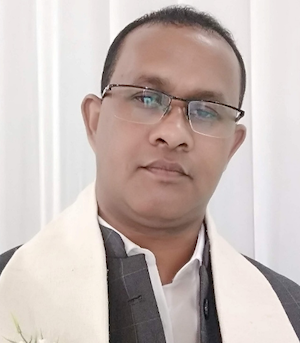
Dr Omarlin Kyndiah is an Associate Professor in the Department of Biochemistry at St. Edmund’s College, Shillong, India, where he has been teaching since 1997. Beyond academia, he served as General Secretary of Sein Raij Niamtre Shillong (Meghalaya) from 2008 to 2024, a congregation representing the indigenous Niamtre faith