
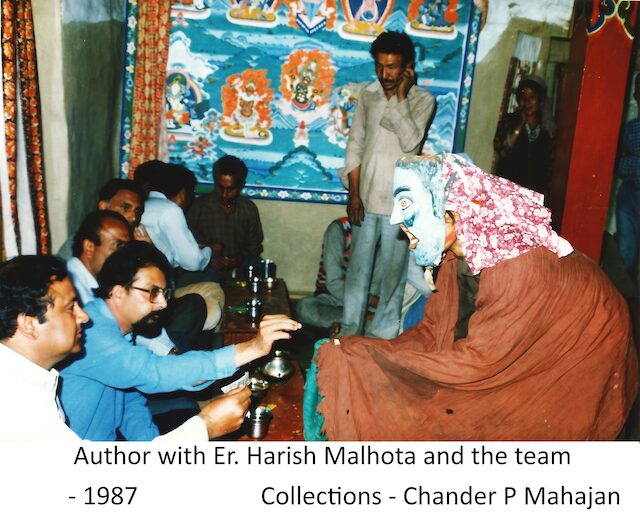
People are open-minded and friendly, known for offering comforting assistance. ‘Joy and reverence’ is their traditional way of life. To maintain freshness, despite difficult access to water, at times, people, perhaps, know how to keep their faces glowing.
Pangwala dances are energetic and integral to the local tribal culture. The most prominent forms include the Dangi dance, community Nati dances, and folk performances.
Music in Pangi Valley is a lively mix of traditional Pangwali folk songs and musical beats reflecting local culture. It is deeply tied to daily life and festivals, often featuring native dialects and instruments. Settlements recognised for strong community unity and distinct cultural traditions often rely on collective practices, shared ancestral values, and deep ecological or social interconnectedness. Preserving this heritage usually involves passing down oral histories, local artistic traditions, and communal ceremonies from one generation to the next.
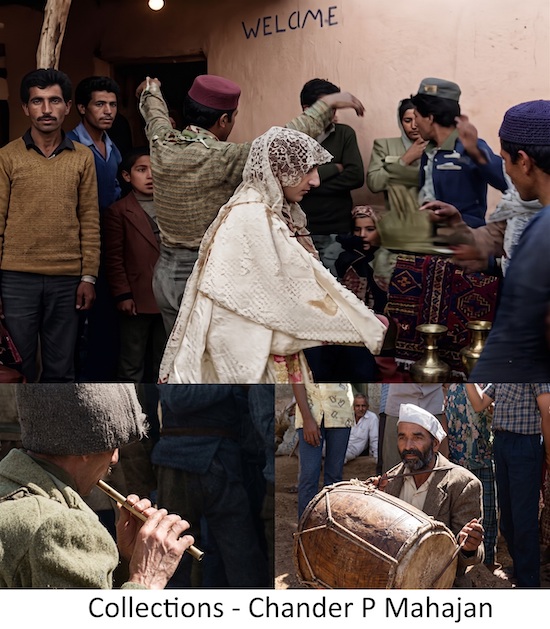
The community is tight-knit and accommodating. Neighbours often help each other with construction, farming, and celebrations. People are emotionally connected through festivals and share joys & sorrows. Blending Hindu and Tibetan influences is characterised by communal living. It is a mix of Aryan (mostly Hindu Pangwals) and Mongolian (Bhots, mostly Tibetan Buddhists). Pangwals mostly occupy lower-altitude villages, whereas Bhots Inhabit higher-altitude areas known as Bhatoris. Also, there are Multi-community villages and ancient monasteries.
Drinks are deeply rooted in local culture, producing potent alcoholic beverages, traditionally brewed, and warming herbal teas.
The primary local drinks are Arak (a strong, distilled liquor), Chhang (barley/rice beer), and Lugri, often served during local festivals and social gatherings often used in celebrations, these beverages are essential to the social fabric of Pangi, often prepared in households and served during local festivals to thank deities.
Diets are mainly traditional enough for survival, with significant consumption of rotis and soups, while dried meat is consumed particularly during winter. Of late, supplementary nutrition and the iodised fortified wheat flour through the Public Distribution System are also in vogue.
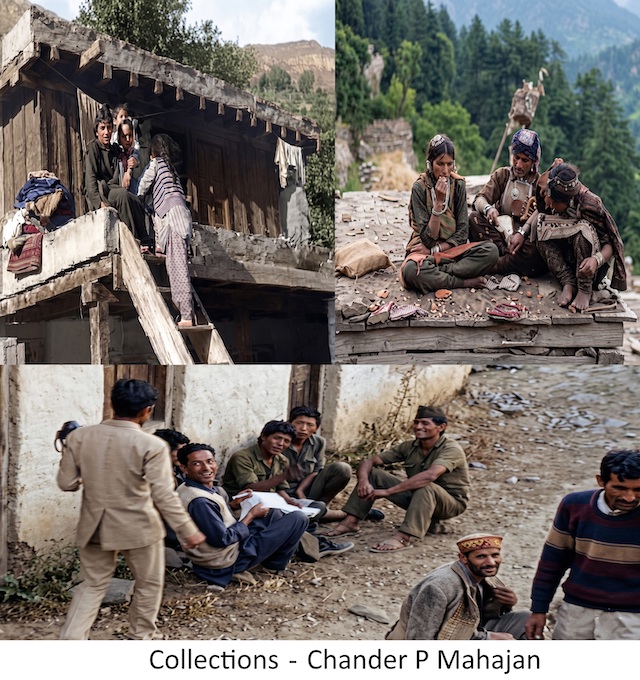
People relish “small wheaten cakes,” a traditional dish, made of flour of Barley, Ghee, and honey. ” Shuaan” is a local onion used for flavouring and as an herb. People usually eat rotis, khichdi, or parathas.
Siddu is a steamed bread stuffed with nuts, vegetables, or lentils, served with ghee. Babroo is fermented, deep-fried or grilled wheat pancakes.
Due to extreme winter conditions, the people of Pangi store dried leaves, roots, and grains to last for the months when the region is isolated, often preserving dairy as churpe (dried cheese).
Traditional utensils are heavily influenced by the region’s remote, high-altitude, and mountainous nature, primarily utilising locally sourced materials like wood, iron, and stone.
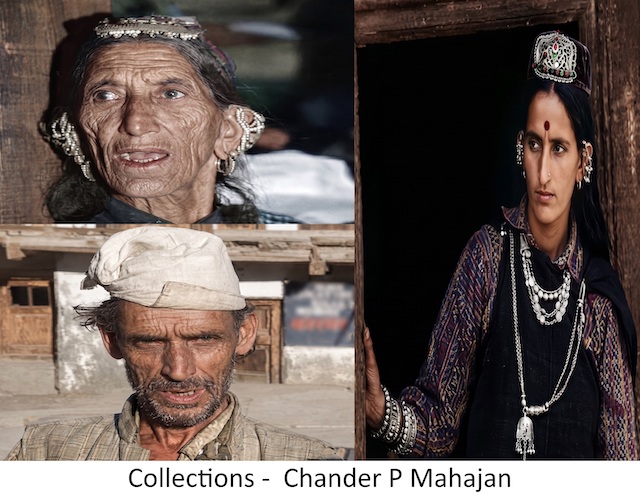
The local economy is largely based on agriculture, livestock grazing, and the collection of forest resources. People often take to weaving shawls, blankets, and mats.
While they share the space, cultural differences can lead to distinct social circles. Land, water rights, and grazing pastures are essential for survival. Given the rugged terrain and limited resources, disputes between households or clans often arise.
Conflicts in Pangi are not always secular. The local belief system, which includes sorcery, witchcraft, and the rage of local deities, can lead to rivalries when one family accuses another of causing misfortune or illness through magical means.
Dining and socialising are shared experiences. Hosts often sit with visitors and share regional folklore and travel stories. Each time, we became wiser toward our mission of the electrification of Pangi. The valley is a far-flung area with rugged terrain.
(The author visited Pangi in the year 1987.)

Prof. (Er.) Chander P Mahajan is an art critic & a free lance journalist. The Environmentalist stays in Shimla and Dalhousie, Himachal Pradesh, India.