
For decades, Hollywood entertained us with pandemics, climate disasters, intelligent machines and lonely humans falling in love with technology. We watched, enjoyed the spectacle and reassured ourselves that it was all fiction.
Then reality started borrowing Hollywood scripts.
Looking back, the movies that frightened us most weren’t really about viruses, robots or climate disasters. They were about what happens when human beings ignore warning signs for too long. The monsters, disasters and futuristic gadgets were merely props. The real story was always us.
Hollywood wasn’t predicting the future. It was paying attention.
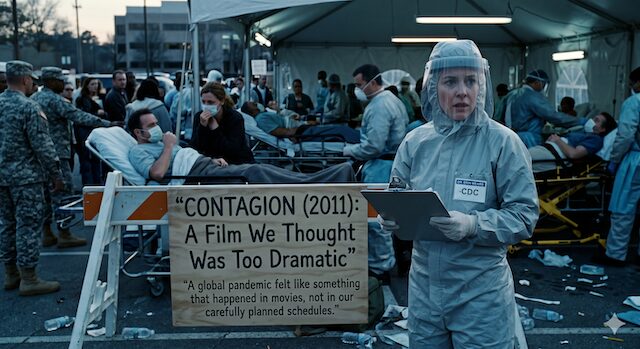
Contagion: The Movie We Thought Was Too Dramatic
When Contagion was released in 2011, it was praised for being realistic. Most of us watched it, found it unsettling and then got on with our lives. A global pandemic felt like something that happened in movies, not in our carefully planned schedules.
Then came COVID. Overnight, fiction felt uncomfortably familiar.
Suddenly, lockdowns, masks, social distancing and travel restrictions became part of everyday life. Millions of people found themselves living through scenes that looked strangely familiar. We all became amateur epidemiologists overnight, debating infection rates and vaccine efficacy with the confidence usually reserved for sports commentators.
What Contagion really warned us about wasn’t just disease. It was complacency. In a world where everything is connected, problems travel faster than ever. The warning signs are often visible long before the crisis arrives. We just assume someone else is paying attention.
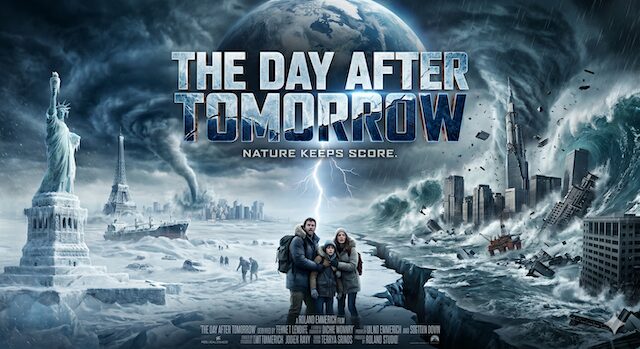
The Day After Tomorrow: Nature Doesn’t Negotiate
Remember The Day After Tomorrow? The film where climate change unleashes extreme weather and throws the planet into chaos. The science may have been exaggerated for dramatic effect, but the underlying message wasn’t.
Nature keeps score.
Today, every year seems determined to break another weather record. Heatwaves arrive earlier, stay longer and feel hotter. Floods appear in places that rarely worried about them before. Wildfires, droughts and storms dominate headlines with alarming regularity.
We’re not freezing. We’re frying.
And somehow we’re still debating whether the oven is switched on.
The movie wasn’t really about a sudden ice age. It was about consequences. For years, environmental warnings sounded like background noise. Now they are beginning to sound more like reminders. Nature is remarkably patient, but eventually it sends the bill. And unlike most bills, this one keeps getting bigger when ignored.
The question is whether we’ll do anything before the late-payment penalties arrive.
Terminator: The Least Dramatic Takeover Ever
Hollywood promised giant robots, glowing red eyes and epic battles for humanity’s survival.
Instead, artificial intelligence arrived through software updates. No explosions. No laser beams.
Just a notification saying, “Your report is ready.”
AI can now write articles, create presentations, analyse data, generate images and answer customer queries in seconds. Businesses are thrilled. Employees are wondering what happens next.
Behind every clever AI response sits a vast network of data centres humming away 24/7. As AI grows smarter, its appetite for electricity grows too.
The fear isn’t that jobs disappear overnight. It’s that they quietly shrink. One person armed with AI can suddenly do work that once required several people.
Companies see efficiency. Workers see uncertainty.
We’re told new jobs will emerge, and they probably will. The challenge is figuring out which jobs will still matter by the time we’re trained for them.
Her: When Technology Starts Filling Emotional Gaps
When Her was released, the premise seemed wonderfully absurd. A man develops an emotional relationship with an AI assistant. It was a fascinating movie, but hardly a glimpse into everyday life.
Fast forward a few years and AI companions, virtual friends and digital assistants are no longer science fiction. For some people they offer conversation, support and companionship. That says as much about society as it does about technology.
We have thousands of followers. Hundreds of contacts. Unlimited connectivity.
And yet loneliness remains one of the defining issues of modern life.
People once worried that computers wouldn’t understand human emotions. Now some humans wish other humans replied as quickly as AI does.
The irony is hard to miss. We can instantly connect with people on the other side of the world, yet many of us barely know our neighbours. Technology has made communication effortless. Meaningful connection remains a little more complicated.
Maybe the story isn’t about machines becoming more human. Maybe it’s about humans becoming less available to each other.
Wall-E: The Future Called. It’s Looking at Its Phone,
At first glance, WALL-E is a charming movie about a lonely robot. Look a little closer and it becomes a surprisingly sharp commentary on modern life.
Humans spend their days glued to screens while technology does most of the heavy lifting. Convenience becomes a lifestyle. Real-world interaction slowly takes a back seat.
Sound familiar?
Walk into almost any restaurant today and you’ll often see families sitting together while everyone scrolls through separate digital worlds. Friends meet for coffee and spend half the time photographing the moment instead of enjoying it. We have become experts at documenting life and surprisingly poor at occasionally living it.
The zombie apocalypse finally arrived. It just came with excellent Wi-Fi.
Technology has undoubtedly improved our lives. It helps us work, learn, communicate and navigate the world. But convenience has a curious habit of expanding until it becomes dependence. Every problem solved by technology raises a new question about what we may be giving up in return.
The Ending Hasn’t Been Written Yet
Looking back, these movies were never really about pandemics, climate disasters, robots or artificial intelligence.
They were about choices.
About what happens when convenience outweighs caution, when progress outruns wisdom and when warning signs are easier to ignore than confront.
The good news is that unlike movie characters, we’ve already seen the plot.
The bad news is that we still haven’t decided whether to change the ending. After all, we’ve seen this movie before. The question is whether we’re going to keep watching it—or finally learn from it.

Iti Mattoo, retired after 30 years in the IT industry, now enjoying her creative pursuits.